Comercio electrónico

a-sleek-shipping-box-with-a-printed-label-and-glow__worldmap

Top 10 Fulfillment Providers in the USA (2025 Shortlist & Guide)

Top 10 Fulfillment Providers in the USA (2025): Shortlist & How to Choose Updated October 2025 • This page targets “fulfillment providers / top fulfillment companies 2025.” For the broader market of logistics companies, see our companion guide. Choosing a fulfillment provider is about speed, accuracy, and CX—not just rates. Below you’ll find a concise 2025 shortlist of leading ecommerce fulfillment providers plus a no-nonsense checklist you can use to compare vendors apples-to-apples. We also include live operational benchmarks from our own network at Fulfillment Hub USA to help you set the bar. 2025 Shortlist: Top Fulfillment Providers Representative, non-exhaustive list arranged alphabetically. Use our checklist below to assess fit for your catalog, order volume, and channels. Methodology. This editorial shortlist highlights recognizable providers across SMB, mid-market, and enterprise. It’s based on public capabilities, customer fit, and category coverage. We refresh it quarterly and when material network changes occur. Benchmarks to Demand from Any Fulfillment Provider How to Choose a Fulfillment Provider (Fast Checklist) Pro tip: run a 30-day A/B split (e.g., 20% of orders) to validate speed, accuracy, and support before a full migration. Proof in Practice (2 Quick Wins) Peak Season Scale Natural cosmetics brand surged from 300 → 3,000 orders/day over BFCM. We split inventory across Miami and New Jersey, automated labels, and optimized the pick path. Outcome: 100% same-day dispatch and 18% lower logistics cost. U.S. Market Entry EU supplements brand with 10-day delivery and low visibility. We staged stock in U.S. nodes and localized returns. Outcome: delivery time -60% and repeat sales +45%. Why Brands Choose Fulfillment Hub USA Want a tailored shortlist for your SKUs and lanes? Request a demo and we’ll run a quick network simulation and migration plan. Related Guides FAQs What is a fulfillment provider? A company that stores your products and ships individual ecommerce orders (D2C) with branded packaging, tracking, and returns. How do I compare top fulfillment companies? Use the checklist above: speed & coverage, accuracy & returns, tech, network, cost, and SLAs. Then run a 30-day split test. What fees should I expect? Receiving/putaway, storage, pick/pack, packaging materials, and shipping. Ask for all-in CPO modeling and surcharge controls.

Top 10 Fulfillment Providers in the USA (2025 Shortlist & Guide) Leer más »

Shinny worldmap with a Fulfillment hub usa box ready to be sent with a caption of black friday 2025

Black Friday 2025: Top 5 Do’s & Don’ts for E-Commerce Fulfillment Success

As someone who’s helped hundreds of e-commerce entrepreneurs navigate their biggest sales seasons, I’ve seen it all—the wins, the disasters, and everything in between. Black Friday isn’t just another shopping day anymore. It’s the ultimate stress test for your business. I’ve watched scrappy startups triple their monthly revenue in four days, and I’ve also seen promising brands crumble under the weight of their own success because they weren’t ready for the logistics behind the sales. Here’s the reality: your customers don’t care about your growing pains. They want their orders fast, accurate, and beautifully packaged. The difference between entrepreneurs who thrive during Black Friday and those who barely survive comes down to one thing—preparation that goes way beyond your marketing campaigns. After working with countless e-commerce founders, here are the 5 strategies that separate the winners from the overwhelmed. The 5 Game-Changing Strategies 1. Start Your Marketing Engine Early (But Smart) I can’t tell you how many entrepreneurs I’ve coached who wait until November 15th to launch their Black Friday campaigns, then wonder why their ad costs are through the roof. The truth? Every day you wait past early November, you’re essentially paying a premium to compete with bigger brands who planned ahead. Start your campaigns by November 1st. Keep your messaging razor-sharp: “Free 2-Day Shipping,” “Early Bird 40% Off,” or “VIP Access Starts Now.” Real example from my client base: Sarah runs a sustainable skincare brand. Last year, she launched her Black Friday teasers on October 28th while her competitors waited until November 20th. Result? Her cost-per-acquisition was 35% lower, and she captured customers before they got decision fatigue from too many options. 2. Know Your Customer Better Than They Know Themselves Generic “spray and pray” advertising is where marketing budgets go to die. Your Black Friday shoppers aren’t just looking for deals—they’re looking for solutions to specific problems. Segment ruthlessly. Retarget strategically. Test everything. But here’s what most entrepreneurs miss: the magic happens after the click. That custom packaging, those handwritten thank-you notes, that seamless unboxing experience—that’s what turns a Black Friday bargain hunter into a lifetime customer. 3. Think Like Amazon (Even If You’re Not Amazon) Your customers have been trained by Amazon to expect fast, affordable shipping. Fighting this expectation is like swimming upstream. The solution isn’t to become Amazon—it’s to be smarter about where you store your products. Strategic inventory distribution is your secret weapon. Instead of shipping everything from one location, position your products across multiple fulfillment centers. West Coast customers get their orders from California, East Coast from New York, Midwest from Chicago. One of my clients, a home fitness equipment company, saw their average shipping time drop from 5 days to 2 days just by splitting their inventory between two coasts. Their shipping costs dropped 18%, and their customer satisfaction scores hit an all-time high. 4. Make Fulfillment Your Competitive Advantage Here’s where I see most entrepreneurs stumble: they spend 90% of their time perfecting their marketing and 10% thinking about what happens after someone clicks “buy.” Your fulfillment operation IS your brand experience. Sloppy picking and packing don’t just create unhappy customers—they create refunds, returns, and negative reviews that tank your marketing efforts. A reliable fulfillment partner doesn’t just ship boxes; they protect your reputation with every package that goes out the door. And let’s talk returns—because they’re going to happen. A smooth returns process can actually increase customer lifetime value. I’ve seen brands turn returns into repeat purchases by making the experience effortless. 5. Turn Abandoners Into Buyers On Black Friday, your website becomes a window shopping destination. People browse, compare, add to cart… then disappear. Don’t let them go quietly. Set up aggressive but tasteful recovery sequences: “Still thinking about it?” emails, limited-time shipping incentives, and real-time inventory updates that create genuine urgency. Pro insight: The most effective urgency isn’t fake scarcity—it’s transparent logistics. “Order in the next 4 hours for guaranteed Friday delivery” works because it’s honest and actionable. The 5 Critical Mistakes That Kill Black Friday Dreams 1. The “Wing It” Approach I’ve never seen a successful Black Friday that wasn’t planned months in advance. Waiting until October to start planning is like studying for finals the night before—technically possible, but unnecessarily stressful and usually disappointing. Start planning your Black Friday in August. No exceptions. 2. Confusing Customers With Complicated Offers Your Black Friday ad has about 3 seconds to make sense to a scrolling customer. “Buy 2 get 1 free, plus 30% off select items, free shipping over $75, extra 10% for email subscribers” isn’t an offer—it’s homework. Pick one strong offer. Make it impossible to misunderstand. 3. Promising What You Can’t Deliver Nothing kills trust faster than missed delivery promises. I’ve seen brands lose years of goodwill in one weekend by overpromising on shipping. Know your carrier’s actual deadlines. Build in buffer time. Communicate cut-off dates early and often. When in doubt, under-promise and over-deliver. 4. The Goldilocks Inventory Problem Too little inventory = missed sales and frustrated customers. Too much = cash flow problems and storage headaches. Use last year’s data, but adjust for your marketing spend increase and any PR or partnerships you have planned. When you’re growing fast, your gut feeling about demand is usually wrong. Smart entrepreneurs work with fulfillment partners who provide real-time inventory dashboards. You need to see what’s selling and what’s sitting, updated by the hour, not by the day. 5. Forgetting That Customers Are Human Behind every order is a person who probably has questions, concerns, or needs help. When your order volume spikes 50-60%, your customer service needs spike too. Prepare your team with scripts, expand your hours, and set up automated responses for common questions. But remember—automation should speed up human connection, not replace it. Your Black Friday Success Formula After years of helping entrepreneurs scale through their biggest sales seasons, the pattern is clear. The brands that win Black Friday don’t just discount their products—they elevate their entire customer experience. Marketing gets them

Black Friday 2025: Top 5 Do’s & Don’ts for E-Commerce Fulfillment Success Leer más »

abel-horvath-fastlane-founders-and-legacy-with-jason-barnard-square-kalicube

Scaling E-Commerce Fulfillment with Automation | Abel Horvath on Fastlane Founders Podcast

E-commerce is booming, and with it comes one of the toughest challenges for brands: how to scale fulfillment without losing control, speed, or customer trust. That’s exactly the conversation our founder and CEO, Abel Horvath, had on the Fastlane Founders Podcast. In this episode, Abel shares the journey of building Fulfillment Hub USA from a startup in Miami to becoming a global 3PL partner with warehouses across the U.S., Europe, and India. Why E-Commerce Brands Need Smarter Fulfillment Systems Traditional fulfillment strategies simply can’t keep up with today’s consumer demands. Fast shipping, inventory visibility, compliance, and cost control are no longer nice-to-haves—they’re the difference between scaling and stalling. Abel explains how automation, transparency, and precision logistics form the backbone of Fulfillment Hub USA’s approach. By reducing manual errors, cutting delivery times, and streamlining inventory management, we help brands turn fulfillment from a pain point into a competitive advantage. The Power of Automation in E-Commerce Logistics On the podcast, Abel dives into how automation is transforming e-commerce fulfillment systems. From AI-powered customer service to real-time inventory sync and batch tracking, automation ensures that operations scale seamlessly—even when demand surges 5x or 10x overnight. For fast-growing e-commerce companies, automated fulfillment solutions are no longer optional—they’re essential to protect margins, reduce churn, and keep customers happy. Global Growth Through a 3PL Partner Fulfillment Hub USA started in Miami just months before the pandemic—and grew during one of the toughest logistics periods in history. By expanding to strategic logistics hubs in Los Angeles, San Francisco, New Jersey, Poland, Germany, Colombia, and India, we’ve created a global fulfillment network that helps brands ship faster, cheaper, and smarter. Whether you’re selling direct-to-consumer, running a subscription model, or managing wholesale orders, a global 3PL partner allows you to scale across borders without losing control. Why This Episode Matters for Founders If you’re building an e-commerce brand, you know the stress of delayed shipments, rising costs, and frustrated customers. This episode is packed with insights on: Listen to the Full Conversation 🎧 Don’t miss the full episode of Fastlane Founders with Abel Horvath to learn how Fulfillment Hub USA is helping brands scale smarter with automation, precision, and global reach. Because in e-commerce today, fulfillment isn’t outsourcing—it’s upgrading.

Scaling E-Commerce Fulfillment with Automation | Abel Horvath on Fastlane Founders Podcast Leer más »

Marketing & Fulfillment Services

Marketing & Fulfillment Services 

In the evolutionary digital world of today, the ability to rapidly reach your target audience is highly challenging without the right solution in place. Your target audience is now influenced by the promotional materials across various platforms like websites, microsites, email marketing, content marketing, and social media sites to mobile marketing and sales presentations. When discussing eCommerce fulfillment, you might probably speak only about inventory management, packaging, and delivery times. You might not consider marketing strategy as part of your fulfillment which you should. Marketing and fulfillment services go together for eCommerce companies.   Your marketing strategy should include fulfillment strategies. And your fulfillment should support your marketing plan.  What is marketing fulfillment?   The ability to create and deliver the marketing scripts and brand assets through various channels like brochures, sales presentations, web content, and demonstration scripts to empower efficiency, automation, and fast turn-around times is known as marketing fulfillment. In addition, Marketing fulfillment is the ability to successfully implement the right tool to complete the requirements for launching a marketing campaign.   To help your content reach the right audience at the right time, you may use essential marketing fulfillment tools such as DAM (digital asset management). Having the right marketing fulfillment tools for the organization will give you the advantage of quickly covering a large campaign area. In addition, organizations must be able to develop strategic marketing scripts to stand out amongst numerous marketing channels.   What does fulfillment have to do with marketing?  Fulfillment plays a vital role in connecting an ecommerce company with its customers as a bridge between them. When the customer gets their package delivered, they touch and feel the product and form a first impression. Here is when fulfillment plays its part in marketing strategy. A good marketing strategy is not just acquiring new customers into the business but also ensuring that your existing customers are happy and encouraged to continue ordering the products. Adding marketing to fulfillment is what enhances your business.  How Can You Enhance Your Time to Market with Marketing Fulfillment?  You can enhance your marketing speed in several modes by implementing the right marketing fulfillment tool into your business.  Decrease time spent on projects  You can decrease the time spent on marketing projects by using the marketing fulfillment tool because you do not have to spend time collecting information, looking for assets, and searching for materials needed to launch a campaign. Marketing fulfillment tool stores all the information of an organization that is required to prepare the marketing campaign content. Increase efficiency and support cross-functional collaboration If companies could find the best marketing fulfillment tool for their business, they could complete marketing in the most cost-efficient way with increased efficiency. With these tools, different departments can work at a time in specific areas to bring out the best and most accurate campaigns. But on the other hand, it also avoids the risk of misuse of materials and campaign scripts.  Enable Process Improvement  By implementing marketing fulfillment tools into your business, you help the system track your marketing materials and forecast the efficiency of your marketing process. With this, you can eliminate unnecessary marketing steps and implement those value-adding steps to improve your operations.    Four ways that marketing and fulfillment services complement each other There are several ways through which fulfillment complements marketing.   Marketing Fulfillment  You can use fulfillment services for marketing fulfillment by sending sample products or gift boxes integrated with the fulfillment services. In addition, your 3PL provider can act as both a marketing and fulfillment service provider by shipping marketing materials.  Branded Packaging Product packing is a crucial element in marketing fulfillment. The box’s appearance is as important as the product inside it. Designing your brand box with the logo makes your company’s order stand out among several packages, getting you recognition from everyone who sees it, not just the one who bought it.  Here are some of the features that impress and delight consumers: Eco-friendly packaging  People these days are more concerned about using eco-friendly materials. So, using bio-degradable and recyclable packing inserts add an extra point for your company. In addition, using more explicit packing materials will reduce the cost of packing and lessen the garbage in the landfill.  A delightful unboxing experience  On receiving the package, customers would be more excited to open it. However, adding an extra element inside the box could make them happier. This could be as simple as adding a greeting card, wrapping the products with colorful cloth or papers, or placing a voucher inside the box.  Perfect condition  Putting effort into making the parcel isn’t just enough. First, ensure that the product and the box are in perfect condition. Getting professional packing services would help you with that. This will save you on returns as well.  Include marketing materials with your orders Here is when you use your marketing strategies in fulfillment. For example, adding promotional materials, discount offers, and other perks to your customer’s next order will encourage them to return to your products.  Customer satisfaction is the best marketing The best way of marketing is to ship the right product at the right time. If you make sure that your customers trust your products and services, your marketing fulfillment is done right. In the end, customer satisfaction is all you need.  Fulfillment marketing is essential to eCommerce  ECommerce alone cannot execute your marketing fulfillment plan. Here are some ways to ensure that you’re marketing and fulfillment services support each other.  Include a portion of your fulfillment costs in your marketing budget.   If you look from the fulfillment point of view, you might feel that spending money on package inserts and branded boxes are cost incurring. You might as well tend to choose the lowest-cost fulfillment provider rather than the company that will give your customers the best experience. However, when you view fulfillment through marketing, supporting your marketing efforts becomes more meaningful and transparent and spending extra on marketing fulfillment looks worthy.  Put your marketing and fulfillment managers

Marketing & Fulfillment Services  Leer más »

Order Fulfillment Software for E-Commerce: Complete Guide

In today’s fast paced world, the customers demand a swift and expeditious order fulfillment experience. It was years back when customers were patient enough to wait around for their online order. To meet these demands in the competitive world of e-commerce, online sellers are integrating order fulfillment software.There are several undeniable benefits of order fulfillment software for e-commerce businesses. The sellers get to fulfill large order volumes more efficiently, and the software comes into great use during busy seasons. Human error is reduced and customer relations can also be improved significantly. What is an order fulfillment Software? An order fulfillment software helps the E-commerce business owner to achieve automation in various aspects of the business. This includes the digitization of order processing, picking of items, packing of products and inventory management, tracking order shipment and deliveries, among other features. The workflow is hence streamlined, allowing the business-owner to increase productivity.  Additionally, you can also plan out your purchases, manage stocks, locate areas of most order purchases, or most return pickups, and make the changes in your business accordingly. With the software, you will be more independent with your business, and the organization and management will be more efficient.  What defines as the best Order Fulfillment Software? Different E-commerce businesses have different requirements for software. For instance, software that works for an individual brand website may not be similarly helpful for marketplaces. Therefore, in order to know whether the particular software by any order fulfillment center is compatible with your business, there are certain criteria you can cross check.  Software Functionality  Whichever software you choose to use for your business, it should be able to adapt to the business requirements and render the functionality that you desire. The best order fulfillment software is generally easy to use and the rule book is quite basic so that it can adjust better to your needs.  Genuine and Reliable  How do you know if the software for order fulfillment that you are using is reliable? Transparency. You need to have access to the Software Quality Validation so that the quality is assured. Plus, the details of the software license also need to be made available to you as a rightful user. Furthermore, a proven track record of the software also allows you to know how efficient a particular order fulfillment software is.  Provides Efficient End-Results  Any good software for order fulfillment service is able to bring you the best results in managing your business. E-commerce fulfillment requires round-the-clock management and the software should be able to provide that. After all, the sole purpose of this software is to make your business easier to manage.  Accessibility and Usability  The application should be simple to understand and use. The software is supposed to have an interactive ability which will make it easier to operate. When the order fulfillment application can provide you with access to various aspects of your business, you can have everything in one place, and we all know how convenient that is.  Maintenance and Durability  Maintaining any software can be tedious if there are too many updates. Order fulfillment software for E-commerce businesses needs to be durable and easy to maintain. Also, the software should be able to update and adapt to the frequent changes in requirements for your business. With all those orders coming in, you need the software to have your back.  Order Fulfillment Software for E-Commerce There are certain features in order fulfillment software that are essential to make it useful in helping the e-commerce fulfillment needs. The features define the application and how it is going to make things easier for you.  Order Management  You have all your orders in one place and you can manage them quite conveniently. You can confirm orders, process them, track them, update the stocks for a particular product, manage returns and replacement, and do even more. With the software, you can also maintain and share details with the customers.  Kit and Order Assembly  If you have kits to be assembled for a certain set of orders, you can specify the details using the software. You can create a list of products that must be packed for the order and set out guidelines for the packaging. This way, you can streamline the workflow and efficiently fulfill your distributor’s list.  Inventory Management The order fulfillment software will allow you to keep track of your inventory and manage your stocks accordingly. You can create notifications for the stocks and re-stock whenever necessary, define the purchasing capabilities, assign reminders for expiry on items. Also, the use of barcodes, serial numbers or specific codes can allow you to control your inventory efficiently.  Know More Returns Management  With the software, you will be able to manage the returns and replacements conveniently. The stocks will be automatically updated for the return items; you can track the return shipping and decide its route, whether it is returning to the stocks or is to be disposed to the waste site. The options are limitless, even for international shipping.  Order Tags and Shipping Label Creation  You can even create order tags to make the complete process, from purchase to shipment, feasible and traceable. The order fulfillment software also lets you create shipping labels for orders that will contain details such as the order number, delivery address, billing address, shipping class, weight, barcode details, and others. You can use pre-made templates or even create your own format that is best suited for your e-commerce business. Warehouse Management Warehouse management will become absolutely accurate and easy with the order fulfillment software. As an e-commerce business owner, you will be able to determine the best and the most productive picking method, create lists for pick-ups and drop-offs, save order details, product location, SKU, and so much more. Even the photos of the delivered items can be saved for better management of returns and complaints.  Why is Fulfillment Hub USA’s Order Fulfillment Software the best?  Fulfillment Hub USA’s software for order fulfillment is exceptional for many

Order Fulfillment Software for E-Commerce: Complete Guide Leer más »

RETURNS MANAGEMENT PROCESS

What is Returns Management Process? Best Tips to Efficiently Manage your Returns  

Let’s just agree on the fact that customers returning a product is an inevitable factor of an eCommerce business. Customers can be dissatisfied with your product more than you anticipate. A study suggests that 30% of products bought online are returned for many reasons.    Many eCommerce owners dread returned items; as they cut into the profit and gut conversion rates by adding the logistical cost of handling a returned item. In fact, some business owners hate returns so much that they complicate the return process. Believing if the return process is complex, customers might give up the thought of returning the item.    Returns don’t have to be dreadful after all. There are ways in which you can turn the tables and use returns to your brand’s advantage. Of course, managing returns incurs hidden charges that come to your attention after some time; however, consider it a necessary investment for the greater good of your brand in the longer term. Because the way you handle your returns creates an impression of your brand in the market.    In a survey, 92% of consumers said that they are likely to buy again from the brand if the product return process is easy. The reason behind this is consumers feel confident, and secure buying from an eCommerce store in which getting back the money is as easy as spending it on an item. Therefore, streamlining your returns management process is imperative if you want customers to keep coming back for more.  What is Returns Management process?  Returns management, also referred to as reverse logistics, is the process of managing the end-to-end cycle of a returned product. The cycle starts with the end-user initiating the return to the seller deciding what to do with the item. Whether to salvage, refurbish, or add it back to the inventory based on why the customer has returned the product.    A customer might return your product for various reasons; a dress that didn’t fit well, tampered packaging, broken goods, mismatched items, delay in delivery, unsatisfactory quality, or customer having a change of heart are a few of the common reasons why products are returned.    Understanding Controllable and Uncontrollable Returns   Returns are classified into controllable or uncontrollable based on why a product is returned. It is essential to be aware of your business’s total controllable or uncontrollable returns if you plan on reducing them.     Controllable Returns Products that have been returned due to the mistake of the seller, which can potentially be controlled by improving internal processes, better handling and storage of goods, and better inventory management, are called controllable returns.    One considerable advantage of controllable return is that it provides feedback on why the product is being returned. This allows the company to rectify its mistake that happened the first time.    Some of the most commonly occurring errors of sellers or their shipping partners: Manufacturing defect Item breakage during transit Poor or tampered product packaging Product quality doesn’t match the description displayed in the online store Item mismatched at the warehouse Delay in delivering the product     Likewise, a business can control these types of issues by increasing the quality of material used to package the product, by explicitly displaying pictures and descriptions of the product on the website, educating the staff for better inventory management, and by partnering with an experienced 3PL provider to ensure on-time delivery.    If you think your product description and pictures accurately display the details of your product and still you are getting a high volume of returns, then there has to be some issue with the quality of the product. First, assess the quality of your products and if it does not match the standard quality, it’s time you tell your manufacturer to improve the product’s quality.    Uncontrollable Returns   Uncontrollable returns are those returns that are out of your control, which means you cannot do anything about it. Typically, Customers initiate these returns when they have a change of heart or have ordered multiple variations (different sizes and colors) of a single item. To check which one fits and looks the best and return the rest of the variations.    The apparel industry witnesses the most uncontrollable returns; wherein the customers tend to return due to misfitting or color dissatisfaction. To be honest, there is nothing much you can do about uncontrollable returns other than reducing the time for returning the product.    Well, this is not a sold foolproof plan for reducing returns, but it is based on the theory that the more time a customer spends with the product, the less likely they will return it, as people tend to grow an attachment to it.    Though uncontrollable returns will cost you the extra money of handling, reverse logistics, and storage of goods, uncontrollable returns have to be entertained if you want to keep your customers satisfied.    Why is Returns Management Important?  Customer Retention:  Well, this one comes as a no-brainer. As mentioned above, with the help of a solid returns management process, you can retain customers while reducing the impact of returns on sales. Customers are most likely to come back to you to buy more products when they are confident that they can return them if they don’t like them.    Customer Satisfaction: Imagine being stuck with a product you don’t like because it doesn’t fit well, doesn’t match the description shown on the website, or doesn’t fulfill the purpose you ordered it for. Sounds unsatisfying, right? Want to make your customers feel the same? I hope not.    Brand Loyalty:   Customers feel loyal to the brand that accepts returns as quickly as it accepts a sale. Therefore, initiating quick refunds and simplifying your return process will help you win your customers’ loyalty for a long time.    Steps a Product Will Go Through in a Return Process  Customer initiates return stating the reason why they wish to return the item. A return is initiated when the customer is not satisfied or happy with the item. Perhaps the item was broken, or in the case

What is Returns Management Process? Best Tips to Efficiently Manage your Returns   Leer más »

Demand Planning

Demand Planning: What is it? And why is it important?

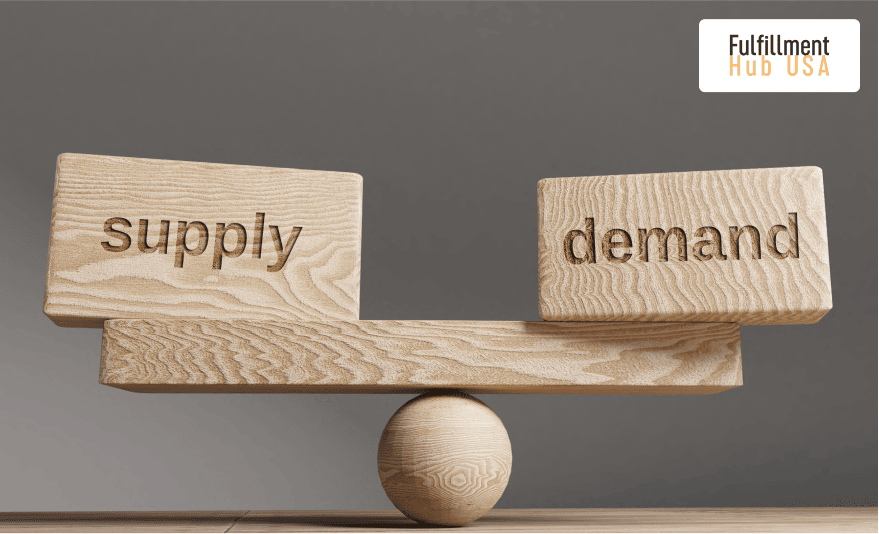
Imagine you have spent a fortune and plenty of resources running countless campaigns over various channels to promote your products. And finally, when you have successfully created a hype and customers are looking for the product, your worst nightmare comes true when your products run out of stock. Such a situation may arise due to the lack of a proper demand planning strategy.    What is Demand Planning?  Demand planning is an integral part of supply chain management that enables an organization to forecast future demand and effectively optimize the organization’s output based on the demand forecast. Explicitly, demand planning is the process of adjusting product or service availability according to the demand anticipation.    The main purpose of demand planning is to maintain a proper supply and demand balance, meaning the store inventory is supposed to contain just as many products as the demand side seeks. There is a thin line between sufficiency and surplus, and demand planning strives to achieve that thin line in an organization. Demand planning also includes constant marketing and promotional efforts to increase demand for the products or services.    Why Is It Important for Your Business? For online stores and e-commerce sites that have just started, demand planning may not be necessary at this stage. But it is absolutely essential for a rapidly growing e-commerce business. Still wondering whether you should really implement a demand planning strategy? The following points might change your mind.   To Keep Customers Satisfied It is hard to retain a customer once they have had a bad experience with your online store. However, with a solid demand planning strategy, you can ensure that your customers keep coming back for more.    For any business, keeping its customers happy is priority number one. And would your customers be happy and satisfied with your business if it cannot fulfill their demands?    Therefore, it is essential to avoid customer dissatisfaction and retain customers.     To Maintain Ample Inventory Levels Demand planning allows you to be aware of exactly how much stock you need to hoard. So that your bestselling products never run out of stock when you need them the most. With a proper demand planning strategy, you will be able to order a new batch of stock at your supplier before your inventory runs dry.   For Meeting Increasing Customer Demand E-commerce business is like a herd of sheep; it grows at a meteoric rate under optimum conditions. Demand planning will help you keep up with the rising customer demand when you have started getting traction in your e-commerce business with more customers looking for your products and increasing product demand.   Steps Involved in Demand Planning Process Demand planning in itself is a vast subject. It will become vague if we don’t break down the complex demand planning process into smaller, more understandable elements.    Collecting Past Data It all starts from here – Collecting data!    Putting together the past data of your business enables demand planners to understand products’ demand patterns from a historical perspective. Demand planners research both internal and external factors to gather the necessary information to forecast demand.    Internal sources are company sales, customer trends, seasonal data, and historical sales. On the other hand, external factors that impact the demand for a product include but are not limited to labor force change, natural disasters, pandemics, economic shifts, global crisis, etc.    Modeling Past Data Creating a demand prediction by feeding your company’s past data to an algorithm or an artificial intelligence built to predict the future demand for your products.     Weighing Demand Forecast Against Inventory This is where the magic of demand planning happens; in this step, planners realize how much stock they need in order to hoard to match the demand, including a little bit extra as buffer stock.     Trade Promotion Trade promotion in terms of demand planning is a process that exists between retailers/wholesalers and manufacturers rather than the end customer.    It refers to the various methods of marketing and promotion directed towards retailers by manufacturers to increase the demand in retail stores. Trade promotion offers retailers special discounts, free display racks, gifts, incentives to keep good relations with retailers.   Product Life Cycle Management Product life cycle management is the process of managing the product’s lifecycle right from its introduction to retirement. It plays a vital role in demand planning since it allows demand planners to understand the impact a new product has on its existing product.    Replenishment Planning Replenishment planning is the process of balancing the inventory level with the demand. In layman’s terms, the process of reordering or restocking your inventory to exactly match the demand. However, replenishment planning is not just limited to reordering your stock. It also helps you understand the stock level necessary to avoid building up surplus products.     In addition, replenishment planning tells demand planners exactly when to place an order, considering the time required by the supplier to deliver the products to you. With the help of replenishment planning, you will be able to restock your inventory before it runs out.    Popular Demand Forecasting Models Speaking succinctly, demand forecasting methods are broadly categorized as qualitative and quantitative. Generally, qualitative demand forecasting methods are implemented by businesses when historical sales data does not exist. On the contrary, in the quantitative forecasting method, advanced technologies like machine learning and artificial intelligence churn out mountains of data to predict the future demand of your product.    Trend Projection Trend projection is the method in which the sales data of the last few fiscal years (minimum 2-3 years) is used to predict the future demand for a product. It is the easiest and most straightforward method of demand prediction.    Trend projection forecasting, however, has its own limitation – Unexpected Changes! This forecasting model does not include some external factors that affect the sales of a product, like a natural disaster or a pandemic in the equation.    Sales Force Composite Sales force composite is a forecasting method in which the demand forecast of a product is generated by consolidating the

Demand Planning: What is it? And why is it important? Leer más »

Understanding The Magic of International E-Commerce Selling

Understanding The Magic of International eCommerce Selling

Selling internationally has always been the dream of eCommerce businesses of all sizes. However, international eCommerce selling comes with its own set of challenges. Nevertheless, done right, international eCommerce selling will take your business to the next level. Ergo, we are writing this article to list the best practices for selling your products internationally.  Why should you consider selling your products internationally? When the pandemic struck, all countries were locked down one by one, businesses across all the industries hit rock bottom. But the eCommerce industry kept rising at a meteoric rate. Needless to say, the pandemic acted as an active catalyst for the growth of e-commerce businesses around the globe.    The modern consumer’s dependence on home delivery and eCommerce has increased, presenting eCommerce owners with a plethora of growth potential. Take a look at the pace eCommerce has grown over recent years. These statistics prove the potential of the global eCommerce industry. With such massive numbers, business owners find it hard to resist the urge to sell their products online internationally. Moreover, thanks to the advancement of technology and cross-border transportation, many local merchants are taking their business global, eager to capture new international customers.    If you too, are planning to expand your business operations overseas, then you have come to the right place.    So, without further ado,  Step by Step Guide for International eCommerce Selling Every great business was once an idea, and an idea needs to be executed strategically. Therefore, the first thing to do before opening your doors to the world is to plan your business operations.    We thought these tips might help you plan your business expansion internationally, Research and identify your target market Do your homework before stepping into the international market!    Selling your products in every country on this planet might actually not be a very good idea. And it is better to limit your area of trade considering numerous limitations, such as    The demand for your product in that particular country – for example, you might be selling ski boards and snow blades primarily purchased in the countries where it snows. It is pointless to market them in countries where it doesn’t snow and has practically no demand for ski boards. Similarly, before entering the market for a particular country, try to analyze if that market has demand for your products.      Language barrier – Needless to say, not all countries speak the same language. There are a lot of French and Spanish-speaking countries. When you target such countries, you will have to curate your marketing content in the relevant language. Also, you have to make sure that you are conveying the right message to the audience. Using google translator to translate your content might change the context or meaning of your content.   Your country’s trade relationship with the targeted country – Unfortunately, some countries are not on good terms with each other. Selling your products in those countries is impossible unless you want to smuggle them into that country. The US has banned all kinds of trade with countries like the Republic of Cuba, Syria, Iran, North Korea, and Venezuela; therefore, selling products in these countries is a no-go for eCommerce businesses based in the US.  Select the Channels Best Suitable for You After you have finalized which countries you will sell your product in, it’s time to choose the channels you will market and sell your products through. When we say ‘channels’, do not get confused between marketing and sales channels.  Marketing channels are primarily social media platforms, email newsletters, Google ads, Facebook ads, etc. At the same time, sales channels comprise third-party eCommerce sites like Shopify, Etsy, eBay, native mobile applications for your eCommerce, and your official website.  So, deciding which channel you will sell through is absolutely crucial. In some countries, you can easily sell your products through the Facebook marketplace and google shopping. However, in China, Baidu is more popular than Google and Facebook. Similarly, in Russia, Yandex is dominant.  Thus, based on the countries you are focusing on doing business in, choose the best suitable channel for your business model to sell your product.   Pay Attention to Marketing Marketing is the only ray of hope while building your customer base and acquiring new customers. Marketing and branding are the keys to the growth of your business. Hence, pen down a solid digital marketing strategy with your team and put your best foot forward. And needless to say, when you are selling internationally, the best option to promote your product is digital marketing.    There are a plethora of digital and content marketing strategies that will help boost the traffic to your official website. And the best part is that you can harness the advantage of running digital ads on various platforms. For budding businesses, digital ads can provide great support in increasing sales. Along with paid ads, you can use the power of social media to increase brand awareness and customer interaction.   Choose The Right Payment Option There are certain challenges a business needs to overcome when it comes to payment. The first challenge you must overcome as an online business is – offering enough payment options. Research by Baymard Institute has found that more than two-thirds of online shopping carts are abandoned due to insufficient payment options. So, make sure you don’t lose potential customers for this particular reason.    In addition, consumers’ choice of payment options differs from country to country. For example, European people prefer paying through Visa, American Express, Mastercard, whereas Asian countries strongly prefer cash on delivery.    Furthermore, payment options like “buy now, pay later” are becoming popular. See if it fits your business model.    Now, addressing the elephant in the room – currency!    You have to consider the local currencies when planning to take your business abroad. Offering consumers the option to pay in their local currencies is the best solution to overcome this problem. Or, perhaps you can receive payments through PayPal. However, your customers will have to pay a

Understanding The Magic of International eCommerce Selling Leer más »

Social Commerce: What It Is, Benefits, and Effective Tips

Social Commerce: What It Is, Benefits, and Effective Tips

Have you ever come across a product that you can buy with a single click while scrolling Instagram? Probably yes, right? This is one of the new trends of eCommerce. Targeting your right audience on the social media platform is becoming the new normal for the eCommerce industry. Social commerce is about engaging customers in an effective way. In this blog, let’s explore what it incorporates, its benefits, and some top tips for establishing an effective omnichannel social commerce.     Fundamentals of Social Commerce   Social commerce is the convergence of eCommerce and social media. Brands in social commerce use social media to sell and drive sales for their eCommerce business. But is it worth it? Will people continue to use it? Well, the answers to these queries are YES. According to Statista, sales through social media platforms were approximately $560 billion in 2020. And that’s just the beginning. It’s forecasted that social commerce sales will reach about $2.9 trillion by 2026.   This figure shows that social commerce is a booming industry and is highly likely to grow in the near future. Therefore, it is the right and profitable time to jump into the industry.   What is Social Commerce? Social commerce is the process of selling products directly through social media. The integration of social experience and eCommerce is enabled through social commerce. It is generally mistaken with social media marketing. There is a difference between SMM (social media marketing) and social commerce. When you promote your brand and drive the customers to your eCommerce website, that’s marketing. On the other hand, social commerce is to generate sales and revenue completely through social media. Social commerce ensures a seamless and easy experience for digital shoppers.   Though social commerce and social media marketing go hand-in-hand, you can manage everything from social media, from selling, displaying products, creating catalogs to resolving customers’ queries hassle-free. Hence, it is easy to sell and manage your business without a website.   Social Commerce Ecosystem  When your social commerce setup is fully developed, shoppers can complete the process of payment and checkout without ever leaving the platform. Shoppers can even connect with the customers via the social media app’s messaging features or with AI-driven chatbots.    Social commerce engages customers in 3 principal ways:   Content-Driven: Social media posts with content related to the latest products and services. It leads to brand discovery, engagement, and action.   Experience-Driven: In today’s technology-driven era, there are numerous experience-driven channels like Livestream and AR/VR. If you include the latest technology, it enhances your visitors’ and customers’ experience.   Network-Driven: When you are driving a network-driven community like Meesho and Alibaba, you make your brand fun, valuable, and purpose-driven for your customers.   Whether you are a brand or an individual, the social commerce market has growth potential for you. It is efficient, rapidly growing, and cost-effective.   Benefits of Social Commerce   Social commerce is becoming the new normal of today’s world because of the immense benefits it offers. Some of them are:   Drive Authentic Engagement   Social networks allow businesses to relate, not just sell. Showing up in your customers’ news feed consistently creates an opportunity for you to interact with your customers. It further allows you to enhance the authenticity of your business and helps consumers make an informed purchase decision.    Engaging content like videos, polls, stories and contests can do wonders for your brand. It makes your audience feel connected to your brand.   Build Trust and Loyalty   When you are on social media sharing engaging content and showing people the person behind the brand, it is highly likely that your consumers will trust you. Moreover, people trust other people more than brands.   If your numerous satisfied customers are leaving good reviews on your social media page, potential customers are highly likely to trust you more and purchase your products. Therefore, focus more on posting reviews and feedback, behind-the-scenes video clips or Livestream, who you are as a person, and more content that helps you connect with your audience.    Make Buyers’ Journey Frictionless   At the core, social commerce is all about making the buyers’ journey easy. When consumers shop on social media, it is frictionless for them to follow through from product discovery to purchase. It removes the potential for uncertainty and cart abandonment, which is higher in traditional eCommerce stores.   Buying from social media is a seamless experience. For example, in Pinterest’s checkout process, the consumers browse the platform and save the products/posts they like. From there, they can press the ‘Buy’ button and purchase the product right there. The payment process is smooth, making the complete buying journey seamless.   Make Your Brand Global   When you sell from social media shops, you make your brand global. That is the best thing about social commerce; it has no geographical boundaries. So to target the international audience, there is no better platform than social media.    Social platforms make it easy for brands to expand their reach and market their products internationally. To make this happen for your business, you need an effective social commerce plan and strategy. People from all over the world are on social media and changing the way they shop online, and this is the time for you to make the most out of it before it’s too late.   Tips for Effective Social Commerce   Social Commerce is a win-win for everyone. However, it can be tricky. Therefore, here are some effective tips to help you win through the social commerce game.   Price Matters   If you are selling luxury products or high-end appliances, you will likely not receive the same engagement and sales as lower-priced retailers. In the social commerce space, lower-priced items sell better.   You can sell multiple products at different price points and use your ad spend for lower-priced products. Moreover, while your customer is making a purchase, don’t forget to grab an email address. So, you can sell them a bigger ticket item later on.   Automated Bot Checkout   Having an AI chatbot automates as much as 80% of your customer support conversations. An AI

Social Commerce: What It Is, Benefits, and Effective Tips Leer más »