

Warehousing buyer guide
Warehousing services that support fulfillment, storage, and replenishment
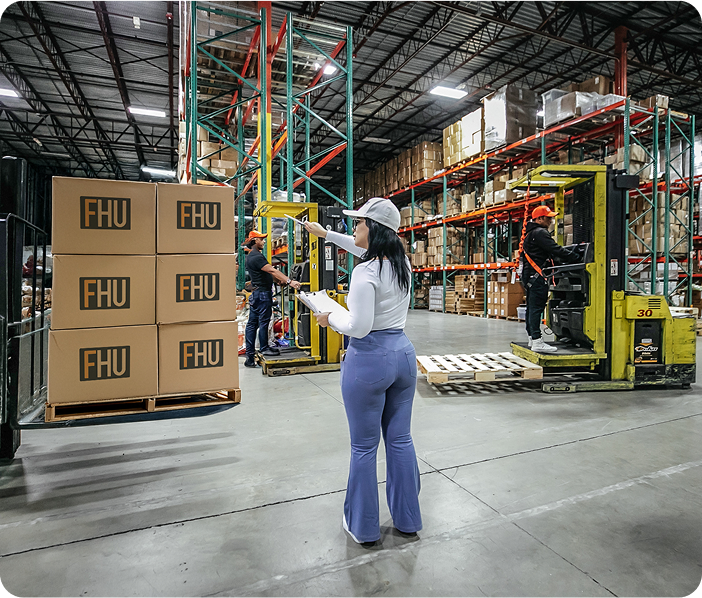
Warehousing is not only a space decision. For a growing brand, the warehouse has to receive inventory accurately, protect product condition, keep stock visible, feed daily fulfillment, and support replenishment without creating extra manual work.
A useful warehousing plan should define how inventory arrives, where it is stored, how it is counted, how it moves into orders or transfers, and how exceptions are escalated when labels, cartons, quantities, or product condition do not match expectations.
Warehouse controls to define before launch
The strongest warehouse setup connects receiving standards, SKU labeling, putaway logic, storage type, inventory counts, replenishment triggers, and order release. That prevents the warehouse from becoming a black box between suppliers and customers.
- Define receiving documentation, appointment needs, carton labels, pallet standards, and discrepancy handling.
- Map storage by pallet, shelf, bin, overflow, security requirement, or product handling need.
- Confirm cycle-count cadence, inventory aging reports, stockout alerts, overstock review, and shrink-risk monitoring.
- Connect stored inventory to ecommerce fulfillment, wholesale orders, kitting, returns, freight, and transfers.
Pricing and operating fit
Pricing is scoped from the actual workflow: storage profile, monthly order volume, SKU count, units per order, packaging rules, receiving cadence, returns handling, and transportation needs. Use the pricing page as a starting point, then request a custom quote when the workflow includes marketplace prep, wholesale rules, regulated products, freight, or custom packaging.
- Separate long-term storage, fast-moving pick locations, overflow inventory, seasonal stock, and wholesale staging.
- Ask how storage changes when SKU velocity, product size, pallet count, or channel mix changes.
- Review how warehouse reporting will support purchasing, customer service, finance, and operations.
Buyer questions
What is the difference between warehousing and fulfillment?
Warehousing focuses on receiving, storing, protecting, and tracking inventory. Fulfillment uses that inventory to process orders, pack shipments, hand off to carriers, and manage returns.
What should be documented for inbound inventory?
Document appointments, carton counts, pallet standards, SKU labels, packing lists, product condition checks, discrepancy rules, and ownership for missing paperwork.
How does storage affect pricing?
Storage cost depends on space type, product dimensions, velocity, special handling, inventory movement, and how often goods need to be counted, replenished, or staged.
Related pages to review
- Storage services: Compare storage models and inventory-readiness needs.
- E-commerce fulfillment: Connect warehouse setup to daily order processing.
- Wholesale fulfillment: Plan B2B replenishment and carton rules.