

Kitting & Repackaging Services for E-commerce Brands
Gift boxes, promotional packages, or anything in between, we do it.

What are kitting services?
Kitting and repacking service requires combining multiple products (SKUs) into one package. Most 3PL service providers like Fulfillment Hub USA kit and repack thousands of orders each day. When choosing a 3PL service provider who offers kitting services, you need to consider several elements as well as the advantages of kitting services.

Save time and money
Having warehouses at prime locations in the USA saves sellers time when it comes to kitting services. We’ve been in the business for years, and we have plenty of expertise when it comes to kitting and repacking. This makes sellers more efficient, and end customers happy.
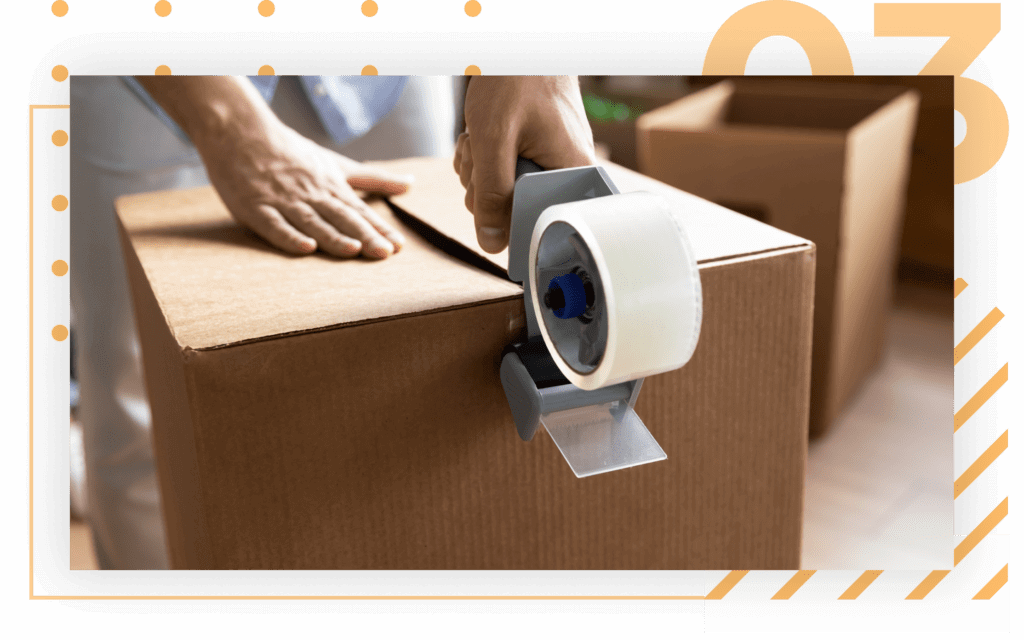
Custom kitting and repacking services
When it comes to kitting and repacking, our customers enjoy a host of customization services. Whether it’s a different packing for every order, or the same style month-on-month, we provide it. For more details on custom kitting and repacking services, get in touch with our specialized customer support team for all the details.

Advantages of kitting and repackaging
– Fast assembly
When using kitting services, the items are processed in bulk, making the process faster. Picking the right 3PL service provider will help save money, time and be more efficient.
– Cost cutting
The biggest advantage of kitting services is cost-cutting – what is usually shipped out as two or more items are shipped as one. Doing so reduces shipping costs that include customs duty. And the best part – the end customer gets one package instead of several.
– Better inventory control
Kitting services help manage inventory better. It is easier to manage inventory kitted and made into one package instead of overseeing several small packages. This also saves labor and time.

Why should you pick Fulfillment Hub USA for kitting services?
There are several reasons for choosing Fulfillment Hub USA for kitting and repacking. Here are some important ones:
– Save money
– Save space
– Custom packages
Kit, Pack, Save Time, and Spend Less!


Kit, Pack, Save Time, and Spend Less!
Save money on storage and shipping with our kitting services.
Learn More!

Versatile Software

Effective Customer Support

Anything you want to ask us about?
Take a look at our transparent plans & prices

Kitting and repackaging buyer guide
Kitting and repackaging services for bundles, inserts, and launch-ready products
Kitting and repackaging are operational workflows, not just warehouse side tasks. A brand should define component inventory, build instructions, packaging materials, quality checks, labeling, finished-good SKUs, and exception handling before kits are released for sale.
The right workflow helps brands manage bundles, subscription boxes, promotional packs, retail-ready repacks, product relabeling, inserts, and light assembly without losing inventory visibility or delaying daily fulfillment.
How kits should be planned
Every kit needs a bill of materials, component allocation rules, build quantity, packaging standard, finished SKU logic, inspection point, and approval path for shortages or substitutions. Without that structure, kits can create inventory variance and fulfillment delays.
- Document components, quantities, inserts, packaging materials, labels, finished SKU, and build instructions.
- Confirm who approves substitutions, partial builds, damaged components, shortages, and packaging changes.
- Track component inventory separately from finished kits so ecommerce and wholesale teams see accurate availability.
- Review whether kits support DTC orders, wholesale packs, FBA prep, retail displays, or custom launch projects.
Pricing and readiness
Pricing is scoped from the actual workflow: storage profile, monthly order volume, SKU count, units per order, packaging rules, receiving cadence, returns handling, and transportation needs. Use the pricing page as a starting point, then request a custom quote when the workflow includes marketplace prep, wholesale rules, regulated products, freight, or custom packaging.
- Prepare kit rules, component counts, build volume, packaging needs, label requirements, photos or samples, and launch timing.
- Separate one-time project work from recurring subscription, promotional, or wholesale kitting programs.
- Confirm how labor, materials, storage, finished goods, and returns will be itemized in the quote.
Buyer questions
What is needed to start a kitting project?
Provide components, quantities, build instructions, packaging standards, finished SKU logic, labels, samples or photos, approval rules, and timing.
Can kits be built before orders arrive?
Yes, if demand, component inventory, finished SKU setup, storage, and quality checks are planned before the build.
How does kitting affect inventory?
Kitting converts component inventory into finished goods or bundles, so allocation and reporting rules must be clear.
Related pages to review
- E-commerce fulfillment: Connect kits to daily DTC order flow.
- Wholesale fulfillment: Prepare retailer-ready packs and cartons.
- Storage services: Manage components and finished kits.