English

Environmental Considerations of Fulfillment in Florida

Environmental Considerations of Fulfillment in Florida Florida’s fulfillment industry is growing rapidly, driven by the state’s strategic location and economic incentives. However, alongside this growth come substantial environmental challenges. Recent regulatory shifts and technological advancements are redefining how fulfillment centers operate sustainably. This article delves into the current environmental impact of fulfillment in Florida, offering insights into the latest developments and solutions that businesses can employ. Key Takeaways Florida accounts for significant carbon emissions due to high fulfillment activity. Recent state laws aim to reduce environmental footprints. Sustainable technology investments are becoming essential. Efficient use of resources can significantly cut emissions. Businesses can benefit from green certifications and incentives. Florida’s Environmental Landscape Fulfillment centers in Florida play a key role due to the state’s access to international markets. This strategic advantage, however, comes with a considerable environmental cost. The state’s tropical climate and sensitivity to climate change further complicate efforts to maintain sustainable practices in fulfillment. In short: Florida’s geographical benefits make sustainability in fulfillment essential yet challenging. Latest Developments On April 10, 2025, Florida enacted new regulations aimed at reducing carbon emissions in the logistics sector. These rules mandate stricter environmental assessments and encourage renewable energy use in fulfillment centers. In short: Florida’s new laws are pushing fulfillment centers toward greener practices. Energy Efficiency in Fulfillment Renewable Energy Sources Embedding renewable energy solutions into fulfillment centers is crucial for reducing emissions. Solar panels, wind energy, and energy-efficient building materials are paving the way for greener fulfillment operations. In short: Renewable energy sources dramatically decrease environmental impact. Technological Innovations Modern technology, like AI-driven warehouse management systems, can optimize resource use. These systems reduce energy waste and enhance productivity by streamlining operations. In short: Adopting cutting-edge technology leads to more efficient use of resources. Sustainable Packaging and Waste Management Eco-Friendly Packaging Switching to sustainable packaging materials not only reduces waste but also appeals to environmentally conscious consumers. Many fulfillment centers now favor biodegradable and recyclable materials. In short: Eco-friendly packaging is a win for both businesses and the planet. Waste Reduction Strategies Recycling and waste management protocols are essential. Training staff on sorting and recycling, along with implementing modern waste management systems, can significantly reduce environmental footprints. In short: Effective waste management reduces the overall impact on the environment. Green Certifications and Incentives Achieving Certifications Green certifications can enhance a company’s reputation and profitability. Certifications like LEED for buildings and Green Business Certifications can position companies favorably in the market. In short: Earning green certifications can boost both image and efficiency. State Incentives Florida offers various incentives for eco-friendly business practices, including tax rebates and grants for green technology implementation. Pursuing these can considerably offset the costs of sustainable practices. In short: State incentives make going green financially viable for fulfillment centers. FAQ What are Florida’s new environmental regulations for fulfillment centers? As of April 2025, Florida requires fulfillment centers to conduct environmental impact assessments and encourages renewable energy use to reduce carbon emissions. How does technology aid in sustainable fulfillment? Technology like AI-driven warehouse systems optimizes energy consumption and enhances efficiency, reducing overall environmental impact. What are the benefits of green certifications for fulfillment centers? Green certifications improve company reputation, can increase market share, and come with potential financial benefits through state incentives. Can sustainable packaging reduce environmental impact? Yes, sustainable packaging minimizes waste and appeals to eco-conscious consumers, aligning operational practices with green initiatives. Are there state incentives for sustainable practices in Florida? Florida offers tax rebates and financial grants to businesses that implement sustainable practices, supporting the transition to a greener economy. Conclusion Transitioning to environmentally sustainable practices in Florida’s fulfillment sector is both a challenge and a necessity. By leveraging renewable energy, technology, sustainable packaging, and green certifications, businesses can not only reduce their environmental impact but also boost their bottom line. Explore how Fulfillment Hub USA and other service providers integrate eco-friendly practices by visiting their e-Commerce Fulfillment Services page. External Sources Florida Department of Environmental Protection, “New Regulations for Carbon Emission Reduction,” link. Clean Energy Florida, “Advancements in Renewable Energy for Businesses,” link. The New York Times, “Florida’s Stricter Environmental Laws for Warehouses,” April 11, 2025, link.

Environmental Considerations of Fulfillment in Florida Read More »

How to Find the Right 3PL Partner for New Mexico Fashion Businesses

How to Find the Right 3PL Partner for New Mexico Fashion Businesses New Mexico fashion brands compete on speed, experience, and cost. The right 3PL partner can lift your margins and delight your customers. In this guide, you will learn how to choose a 3PL for apparel, with a focus on New Mexico trade lanes and cross-border options. We include 2026 updates where they affect shipping, and we close with a practical checklist. Fulfillment Hub USA is highlighted as a leading U.S. e-commerce fulfillment partner. Key takeaways Match 3PL strengths to apparel needs like variants and returns. Use New Mexico corridors and Santa Teresa for faster replenishment. Demand clear SLAs that align with the FTC Mail Order Rule. Test tech integrations with your cart, marketplaces, and EDI. Build true landed-cost models, not just pick-and-pack math. Table of contents What New Mexico fashion brands should expect from a 3PL What is a 3PL and how it applies to apparel A step-by-step checklist to evaluate 3PL partners Shipping speed and SLAs that protect your brand Inventory, variants, and returns management for fashion Technology integrations and data you should require Cost models and a comparison table to avoid surprises Compliance, cross-border, and New Mexico trade lanes Mini case: How a Southwest apparel brand scaled with a multi-node 3PL Latest developments What New Mexico fashion brands should expect from a 3PL New Mexico sits on two national freight corridors. Interstate 25 runs north to south, and Interstate 40 runs east to west. They meet in Albuquerque, which reduces linehaul times across the Southwest. The Santa Teresa Borderplex, near El Paso, supports cross-border trade, nearshoring, and intermodal moves. For apparel, the 3PL must handle many sizes, colors, and seasons. Expect accurate barcode scanning, cycle counting, and clear lot or batch control. Ask how the 3PL processes returns, from quality checks to restock or refurbish. Fast, clean returns protect your brand and cash. If you sell DTC and wholesale, your 3PL should support both. That means retail-compliant packing, carton labels, and EDI for major retailers. It also means small-parcel speed for direct orders with branded packaging and inserts. In short: Your 3PL should blend regional agility with apparel-ready processes and omnichannel support. What is a 3PL and how it applies to apparel Definition A third-party logistics provider, or 3PL, stores inventory and handles fulfillment, shipping, and often returns. Many 3PLs also offer value-added services like kitting, relabeling, and custom packaging. Example: A fashion brand ships inbound cartons to a 3PL. The 3PL receives, stores, picks orders, packs with branded materials, ships, and processes returns. For apparel, a 3PL must also manage style-SKU complexity. Think style, size, and color with prepack or assortment cartons. Quality checks on inbound goods are vital. So are pre-retail services such as ticketing, polybagging, and hang tagging for wholesale compliance. In short: A 3PL becomes your back-of-house for inventory, orders, and customer experience. A step-by-step checklist to evaluate 3PL partners Map your channels and SKUs List DTC, marketplaces, and wholesale partners. Include peak seasons, SKU counts, and expected daily order volume. Flag special packaging, bundles, or subscription kits. Set service levels and promises Define cut-off times, same-day or next-day shipping, and delivery targets by zone. Note returns processing time targets and refund windows. Validate apparel workflows Ask to see receiving SOPs, barcode scanning, and variant accuracy checks. Review polybagging, ticketing, and pre-retail standards for wholesale. Test technology fit Confirm integrations with Shopify, BigCommerce, Amazon, Walmart, and EDI. Ask for API documentation and data fields in the WMS or portal. Compare cost models Collect detailed rate cards. Include receiving, putaway, storage, picks, packaging, dunnage, returns, account management, and peak surcharges. Model three volume scenarios. Inspect facilities and locations Check cleanliness, climate control, security, and workstation layout. Ask where inventory will sit relative to your customers. New Mexico brands often benefit from multi-node options across the U.S. Review compliance and risk Confirm the 3PL supports the FTC Mail Order Rule obligations for shipment timing. If you use nearshoring, discuss Section 321 and duties. Run a pilot Start with a subset of SKUs. Measure dock-to-stock time, pick accuracy, on-time shipping, and return cycle time. Keep a tight feedback loop. FHU tip: Fulfillment Hub USA provides onboarding templates, integration sandboxes, and pilot playbooks to de-risk go-live. In short: Work through a structured checklist, then validate with a pilot before you scale. Shipping speed and SLAs that protect your brand Customers remember delivery time and condition. Your 3PL must hit cut-off times and publish on-time ship rates. Ask for same-day order cut-off options and weekend operations during peak. Confirm parcel carrier coverage and regional zone optimization. The FTC Mail Order Rule matters. If you advertise a ship date, you must meet it. If no date is stated, you must ship within 30 days or gain consent for delays or issue refunds. Your 3PL should monitor backorders and proactively alert you. Parcel rates and surcharges change often. Build buffer in your SLAs and budgets. Ask your 3PL about rate shopping, dimensional weight controls, and packaging right-sizing. These steps lower costs without hurting delivery speed. FHU tip: Fulfillment Hub USA offers SLA-backed same-day fulfillment and carrier rate shopping. The team measures scan-to-ship time and shares reports so you can hold us accountable. In short: Clear SLAs, FTC-aware workflows, and smart packaging protect both speed and margin. Inventory, variants, and returns management for fashion Fashion needs tight inventory control. Variants increase pick complexity and error risk. Your 3PL should use bin-level scanning and countback rules to cut shrink. Ask how they handle size curve allocations, prepack cartons, or set assemblies. Returns are common in apparel. Build an intake flow that checks condition, tags, odor, and wear. Decide when to restock, refurbish, or liquidate. Fast returns lower refunds outstanding and improve cash flow. The National Retail Federation reports notable returns activity across retail, and apparel often runs higher than average online, so design for it. Your 3PL portal should show reason codes and resale eligibility. That data guides product pages

How to Find the Right 3PL Partner for New Mexico Fashion Businesses Read More »

A Comprehensive Guide to West Coast Fulfillment Strategies

A Comprehensive Guide to West Coast Fulfillment Strategies In the ever-evolving world of fulfillment, staying ahead on the West Coast is crucial for business success. This guide will explore current fulfillment strategies in this rapidly changing landscape. From demand surges to new technologies, we’ll cover it all to streamline your operations effectively. Key Takeaways Adopt sustainable practices to meet increasing environmental demands. Embrace automation to boost warehouse efficiency. Optimize last-mile delivery for faster service. Leverage strategic partnerships for expansion. Stay informed on technology trends in fulfillment. Introduction to West Coast Fulfillment Fulfillment strategies on the West Coast are adapting quickly to meet diverse market needs. As e-commerce grows, efficient and sustainable methods are crucial to ensure timely delivery and customer satisfaction. Notably, policies and innovations, such as green logistics, are influencing these strategies. Key Strategies for West Coast Fulfillment Investing in Automation Automation enhances productivity and accuracy. Implementing robotics and AI not only reduces labor costs but also speeds up order processing. A recent study suggested that companies using automation saw a 30% increase in efficiency within the first year. In short: Automation is essential for modern fulfillment. Emphasizing Sustainable Practices Sustainability is more than a trend; it’s a necessity. The West Coast’s focus on reducing carbon footprints has led to adopting electric vehicles and green packaging. Businesses prioritizing sustainability are gaining favor in consumer markets. In short: Green initiatives are shaping fulfillment methods. Optimizing Last-Mile Delivery Fast and reliable delivery is critical. New strategies, like micro-fulfillment centers placed near urban centers, improve delivery times. Recent reports indicate these centers can reduce delivery costs by up to 25%. In short: Faster delivery is achievable with improved local strategies. Latest Developments in Fulfillment As of March 2025, fulfillment strategies have adapted to cope with labor challenges by further integrating AI. Additionally, new legislation in California promotes electrification of delivery fleets to cut emissions. FAQs What are some current trends in West Coast fulfillment? Current trends include increased use of AI, sustainability initiatives, and strategic partnerships to enhance service flexibility. How is technology shaping fulfillment strategies? Technology, like AI and robotics, is reducing costs and improving accuracy. It is pivotal for managing increasing order volumes efficiently. Why is last-mile delivery important? Last-mile delivery significantly impacts customer satisfaction by ensuring timely delivery, which directly affects repeat business and brand loyalty. How can small businesses adapt these strategies? Small businesses can start by adopting scalable automation solutions and partnering with logistics providers for expanded reach. What challenges do companies face in fulfillment? Challenges include adapting to rapid market changes, managing costs, and implementing sustainable practices effectively. Conclusion For businesses based on the West Coast, adopting innovative and sustainable fulfillment strategies is key to remaining competitive. By focusing on automation, green practices, and efficient delivery systems, companies can enhance their operations and customer satisfaction. To explore comprehensive fulfillment solutions, visit Fulfillment Hub USA or e-Commerce Fulfillment Services. External Sources: “The Growing Impact of Automation on Warehousing Efficiency.” IndustryWeek, https://www.industryweek.com/. “Sustainable Logistics: Meeting Tomorrow’s Challenges Today.” GreenBiz, https://www.greenbiz.com/. “Micro-fulfillment as a Future of Last-Mile Delivery.” Logistics Management, https://www.logisticsmgmt.com/.

A Comprehensive Guide to West Coast Fulfillment Strategies Read More »

Streamline 3PL Onboarding: Fulfillment Hub USAs Plug-and-Operate Advantage

Streamline 3PL Onboarding: Fulfillment Hub USA’s Plug-and-Operate Advantage Getting started with a new 3PL often takes too long and costs too much. Streamline 3PL onboarding with Fulfillment Hub USA’s plug-and-operate approach, so you go live fast without sacrificing control. In February 2026, e-commerce is still rising, which raises the cost of delays. This guide shows how a quick, standards-based onboarding cuts risk and drives better service from day one. Key takeaways Plug-and-operate onboarding reduces go-live time and early order errors. Standards-based data and labels prevent chargebacks and delays. Flexible API, EDI, and portal options fit your tech stack now. Clear SLAs and testing gates align teams and avoid surprises. Security-first setup protects data and supports audits from day one. Table of contents What plug-and-operate onboarding means for 3PL clients Why fast onboarding matters in 2026 e-commerce The plug-and-operate onboarding checklist Integration options that cut weeks from timelines Data quality and labeling standards that prevent chargebacks Security, compliance, and SLA alignment from day one Plug-and-operate vs traditional onboarding: comparison Mini case: DTC apparel brand goes live in 21 days Latest developments FAQ Conclusion External sources Internal link What plug-and-operate onboarding means for 3PL clients Definition Plug-and-operate onboarding is a ready-to-run process that connects your store, catalog, and shipping rules to the warehouse without heavy custom builds. It uses proven integrations, standardized data, and prebuilt test cases. The goal is to receive, pick, pack, and ship live orders reliably in weeks, not months. Example: connect a Shopify store with standard webhooks, map SKUs and barcodes, run 50 test orders, then flip to production. Fulfillment Hub USA (FHU) designs onboarding as a set of structured playbooks. These playbooks cover common channels, SKU types, and routing rules. You get clear steps, sample files, and fast feedback. This removes guesswork and speeds sign-offs. In short: Plug-and-operate means a tested path to go live quickly, using standards and repeatable playbooks. Why fast onboarding matters in 2026 e-commerce E-commerce demand stayed strong into the 2025 holiday season. The U.S. Census Bureau’s February 2026 release shows online sales continue to grow, keeping pressure on lead times and fulfillment capacity. When you switch 3PLs, even a short delay can cascade into backorders and costly customer service spikes. Faster onboarding cuts carrying costs and reduces split shipments. It also lets you test promotions safely before peak. Short feedback loops expose data gaps early, so you avoid rework later. With FHU’s playbooks, most workstreams run in parallel, not in sequence, which saves calendar days. In short: Speed to go live protects revenue and keeps service levels steady during growth. The plug-and-operate onboarding checklist Project kickoff and roles Set a single owner for each stream: integrations, catalog, inbound, and shipping. Use a shared plan with dates and sign-offs. FHU provides RACI templates. Data and catalog readiness Confirm master data fields: SKU, GTIN, dimensions, weights, customs data. Validate a sample set against FHU’s import checker before bulk load. Integration choice and mapping Pick API, EDI, or portal based on your stack. Map order, inventory, ASN, and return flows. FHU shares mapping specs and test payloads. Labeling and packaging rules Adopt GS1 barcodes, carton labels, and retailer routing guides if applicable. Share kitting and bundling instructions with photos. Inbound plan and slotting Schedule first ASNs, prioritize A movers, and set storage rules. FHU pre-assigns locations to speed first picks. Test cycles and cutovers Run unit tests, then integration tests with 50–100 staged orders. Approve go-live only after pass rates hit targets. SLA and exception handling Define pick times, carrier cutoffs, and weekend rules. Set paths for address fixes, fraud holds, and out-of-stock events. Security and access control Provision user roles, API keys, and MFA. Confirm data retention and log access. FHU aligns to your audit needs. In short: A clear checklist creates shared ownership, faster approvals, and fewer surprises. Integration options that cut weeks from timelines API, EDI, or portal: choose right, not just fast APIs enable near real-time order, inventory, and tracking updates. EDI is common for retail and wholesale flows, especially ASNs and invoices. A secure merchant portal works when teams need speed without developer time. FHU supports all three so you can start now and evolve later. Pros of API Faster iterations and real-time visibility Flexible payloads for promos and bundles Easy to extend to returns and value-added services Cons of API Requires developer time and governance Versioning needs clear change control Monitoring must be in place from day one Pros of EDI Widely accepted by retailers and marketplaces Mature standards reduce ambiguity Strong fit for ASNs, invoices, and chargeback control Cons of EDI Setup can be slower without clear specs Changes need mapping updates May have higher VAN or translator costs In short: Match integration to your channel mix and timeline, and keep options open as you scale. Data quality and labeling standards that prevent chargebacks Poor data ruins speed. Accurate SKU data, GS1 barcodes, and compliant carton labels reduce dock delays, mis-picks, and retailer chargebacks. For wholesale, follow EDI standards for ASNs to confirm contents and timing. For DTC, ensure weights and dims are correct, so rate shopping returns accurate labels. FHU validates GTINs, carton counts, and pack hierarchies before inbound. We also test carrier label formats and scan flows to catch issues before your launch. This protects your margins and your delivery promise. In short: Clean data and standards-based labels keep orders moving and margins intact. Security, compliance, and SLA alignment from day one Onboarding is the best time to set security and compliance expectations. Many merchants align with frameworks like NIST Cybersecurity Framework 2.0 for risk management. Payment operations teams also track PCI DSS v4.0 requirements that took effect on March 31, 2025 for several future-dated controls. FHU supports role-based access, MFA, encryption in transit, and audit-friendly logging. SLA clarity matters as much as security. Define cutoffs, weekend operations, and carrier preferences upfront. FHU documents exception paths for address corrections, hazmat, and restricted destinations, so teams act fast and consistently. In short: Build security and SLA

Streamline 3PL Onboarding: Fulfillment Hub USAs Plug-and-Operate Advantage Read More »

a-sleek-shipping-box-with-a-printed-label-and-glow__worldmap

Top 10 Fulfillment Providers in the USA (2025 Shortlist & Guide)

Top 10 Fulfillment Providers in the USA (2025): Shortlist & How to Choose Updated October 2025 • This page targets “fulfillment providers / top fulfillment companies 2025.” For the broader market of logistics companies, see our companion guide. Choosing a fulfillment provider is about speed, accuracy, and CX—not just rates. Below you’ll find a concise 2025 shortlist of leading ecommerce fulfillment providers plus a no-nonsense checklist you can use to compare vendors apples-to-apples. We also include live operational benchmarks from our own network at Fulfillment Hub USA to help you set the bar. 2025 Shortlist: Top Fulfillment Providers Representative, non-exhaustive list arranged alphabetically. Use our checklist below to assess fit for your catalog, order volume, and channels. Methodology. This editorial shortlist highlights recognizable providers across SMB, mid-market, and enterprise. It’s based on public capabilities, customer fit, and category coverage. We refresh it quarterly and when material network changes occur. Benchmarks to Demand from Any Fulfillment Provider How to Choose a Fulfillment Provider (Fast Checklist) Pro tip: run a 30-day A/B split (e.g., 20% of orders) to validate speed, accuracy, and support before a full migration. Proof in Practice (2 Quick Wins) Peak Season Scale Natural cosmetics brand surged from 300 → 3,000 orders/day over BFCM. We split inventory across Miami and New Jersey, automated labels, and optimized the pick path. Outcome: 100% same-day dispatch and 18% lower logistics cost. U.S. Market Entry EU supplements brand with 10-day delivery and low visibility. We staged stock in U.S. nodes and localized returns. Outcome: delivery time -60% and repeat sales +45%. Why Brands Choose Fulfillment Hub USA Want a tailored shortlist for your SKUs and lanes? Request a demo and we’ll run a quick network simulation and migration plan. Related Guides FAQs What is a fulfillment provider? A company that stores your products and ships individual ecommerce orders (D2C) with branded packaging, tracking, and returns. How do I compare top fulfillment companies? Use the checklist above: speed & coverage, accuracy & returns, tech, network, cost, and SLAs. Then run a 30-day split test. What fees should I expect? Receiving/putaway, storage, pick/pack, packaging materials, and shipping. Ask for all-in CPO modeling and surcharge controls.

Top 10 Fulfillment Providers in the USA (2025 Shortlist & Guide) Read More »

Shinny worldmap with a Fulfillment hub usa box ready to be sent with a caption of black friday 2025

Black Friday 2025: Top 5 Do’s & Don’ts for E-Commerce Fulfillment Success

As someone who’s helped hundreds of e-commerce entrepreneurs navigate their biggest sales seasons, I’ve seen it all—the wins, the disasters, and everything in between. Black Friday isn’t just another shopping day anymore. It’s the ultimate stress test for your business. I’ve watched scrappy startups triple their monthly revenue in four days, and I’ve also seen promising brands crumble under the weight of their own success because they weren’t ready for the logistics behind the sales. Here’s the reality: your customers don’t care about your growing pains. They want their orders fast, accurate, and beautifully packaged. The difference between entrepreneurs who thrive during Black Friday and those who barely survive comes down to one thing—preparation that goes way beyond your marketing campaigns. After working with countless e-commerce founders, here are the 5 strategies that separate the winners from the overwhelmed. The 5 Game-Changing Strategies 1. Start Your Marketing Engine Early (But Smart) I can’t tell you how many entrepreneurs I’ve coached who wait until November 15th to launch their Black Friday campaigns, then wonder why their ad costs are through the roof. The truth? Every day you wait past early November, you’re essentially paying a premium to compete with bigger brands who planned ahead. Start your campaigns by November 1st. Keep your messaging razor-sharp: “Free 2-Day Shipping,” “Early Bird 40% Off,” or “VIP Access Starts Now.” Real example from my client base: Sarah runs a sustainable skincare brand. Last year, she launched her Black Friday teasers on October 28th while her competitors waited until November 20th. Result? Her cost-per-acquisition was 35% lower, and she captured customers before they got decision fatigue from too many options. 2. Know Your Customer Better Than They Know Themselves Generic “spray and pray” advertising is where marketing budgets go to die. Your Black Friday shoppers aren’t just looking for deals—they’re looking for solutions to specific problems. Segment ruthlessly. Retarget strategically. Test everything. But here’s what most entrepreneurs miss: the magic happens after the click. That custom packaging, those handwritten thank-you notes, that seamless unboxing experience—that’s what turns a Black Friday bargain hunter into a lifetime customer. 3. Think Like Amazon (Even If You’re Not Amazon) Your customers have been trained by Amazon to expect fast, affordable shipping. Fighting this expectation is like swimming upstream. The solution isn’t to become Amazon—it’s to be smarter about where you store your products. Strategic inventory distribution is your secret weapon. Instead of shipping everything from one location, position your products across multiple fulfillment centers. West Coast customers get their orders from California, East Coast from New York, Midwest from Chicago. One of my clients, a home fitness equipment company, saw their average shipping time drop from 5 days to 2 days just by splitting their inventory between two coasts. Their shipping costs dropped 18%, and their customer satisfaction scores hit an all-time high. 4. Make Fulfillment Your Competitive Advantage Here’s where I see most entrepreneurs stumble: they spend 90% of their time perfecting their marketing and 10% thinking about what happens after someone clicks “buy.” Your fulfillment operation IS your brand experience. Sloppy picking and packing don’t just create unhappy customers—they create refunds, returns, and negative reviews that tank your marketing efforts. A reliable fulfillment partner doesn’t just ship boxes; they protect your reputation with every package that goes out the door. And let’s talk returns—because they’re going to happen. A smooth returns process can actually increase customer lifetime value. I’ve seen brands turn returns into repeat purchases by making the experience effortless. 5. Turn Abandoners Into Buyers On Black Friday, your website becomes a window shopping destination. People browse, compare, add to cart… then disappear. Don’t let them go quietly. Set up aggressive but tasteful recovery sequences: “Still thinking about it?” emails, limited-time shipping incentives, and real-time inventory updates that create genuine urgency. Pro insight: The most effective urgency isn’t fake scarcity—it’s transparent logistics. “Order in the next 4 hours for guaranteed Friday delivery” works because it’s honest and actionable. The 5 Critical Mistakes That Kill Black Friday Dreams 1. The “Wing It” Approach I’ve never seen a successful Black Friday that wasn’t planned months in advance. Waiting until October to start planning is like studying for finals the night before—technically possible, but unnecessarily stressful and usually disappointing. Start planning your Black Friday in August. No exceptions. 2. Confusing Customers With Complicated Offers Your Black Friday ad has about 3 seconds to make sense to a scrolling customer. “Buy 2 get 1 free, plus 30% off select items, free shipping over $75, extra 10% for email subscribers” isn’t an offer—it’s homework. Pick one strong offer. Make it impossible to misunderstand. 3. Promising What You Can’t Deliver Nothing kills trust faster than missed delivery promises. I’ve seen brands lose years of goodwill in one weekend by overpromising on shipping. Know your carrier’s actual deadlines. Build in buffer time. Communicate cut-off dates early and often. When in doubt, under-promise and over-deliver. 4. The Goldilocks Inventory Problem Too little inventory = missed sales and frustrated customers. Too much = cash flow problems and storage headaches. Use last year’s data, but adjust for your marketing spend increase and any PR or partnerships you have planned. When you’re growing fast, your gut feeling about demand is usually wrong. Smart entrepreneurs work with fulfillment partners who provide real-time inventory dashboards. You need to see what’s selling and what’s sitting, updated by the hour, not by the day. 5. Forgetting That Customers Are Human Behind every order is a person who probably has questions, concerns, or needs help. When your order volume spikes 50-60%, your customer service needs spike too. Prepare your team with scripts, expand your hours, and set up automated responses for common questions. But remember—automation should speed up human connection, not replace it. Your Black Friday Success Formula After years of helping entrepreneurs scale through their biggest sales seasons, the pattern is clear. The brands that win Black Friday don’t just discount their products—they elevate their entire customer experience. Marketing gets them

Black Friday 2025: Top 5 Do’s & Don’ts for E-Commerce Fulfillment Success Read More »

abel-horvath-fastlane-founders-and-legacy-with-jason-barnard-square-kalicube

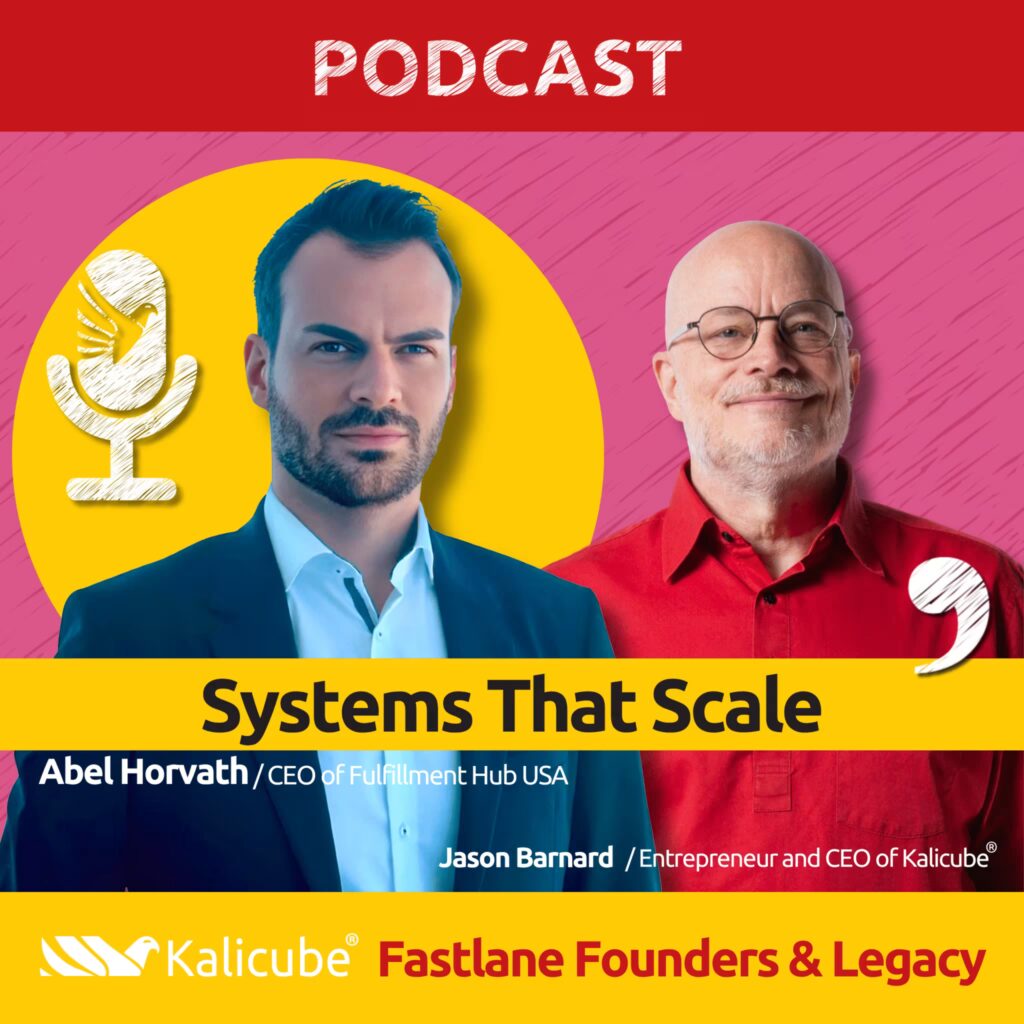
Scaling E-Commerce Fulfillment with Automation | Abel Horvath on Fastlane Founders Podcast

E-commerce is booming, and with it comes one of the toughest challenges for brands: how to scale fulfillment without losing control, speed, or customer trust. That’s exactly the conversation our founder and CEO, Abel Horvath, had on the Fastlane Founders Podcast. In this episode, Abel shares the journey of building Fulfillment Hub USA from a startup in Miami to becoming a global 3PL partner with warehouses across the U.S., Europe, and India. Why E-Commerce Brands Need Smarter Fulfillment Systems Traditional fulfillment strategies simply can’t keep up with today’s consumer demands. Fast shipping, inventory visibility, compliance, and cost control are no longer nice-to-haves—they’re the difference between scaling and stalling. Abel explains how automation, transparency, and precision logistics form the backbone of Fulfillment Hub USA’s approach. By reducing manual errors, cutting delivery times, and streamlining inventory management, we help brands turn fulfillment from a pain point into a competitive advantage. The Power of Automation in E-Commerce Logistics On the podcast, Abel dives into how automation is transforming e-commerce fulfillment systems. From AI-powered customer service to real-time inventory sync and batch tracking, automation ensures that operations scale seamlessly—even when demand surges 5x or 10x overnight. For fast-growing e-commerce companies, automated fulfillment solutions are no longer optional—they’re essential to protect margins, reduce churn, and keep customers happy. Global Growth Through a 3PL Partner Fulfillment Hub USA started in Miami just months before the pandemic—and grew during one of the toughest logistics periods in history. By expanding to strategic logistics hubs in Los Angeles, San Francisco, New Jersey, Poland, Germany, Colombia, and India, we’ve created a global fulfillment network that helps brands ship faster, cheaper, and smarter. Whether you’re selling direct-to-consumer, running a subscription model, or managing wholesale orders, a global 3PL partner allows you to scale across borders without losing control. Why This Episode Matters for Founders If you’re building an e-commerce brand, you know the stress of delayed shipments, rising costs, and frustrated customers. This episode is packed with insights on: Listen to the Full Conversation 🎧 Don’t miss the full episode of Fastlane Founders with Abel Horvath to learn how Fulfillment Hub USA is helping brands scale smarter with automation, precision, and global reach. Because in e-commerce today, fulfillment isn’t outsourcing—it’s upgrading.

Scaling E-Commerce Fulfillment with Automation | Abel Horvath on Fastlane Founders Podcast Read More »

GulfShore Aquicistion by Fulfillment Hub USA

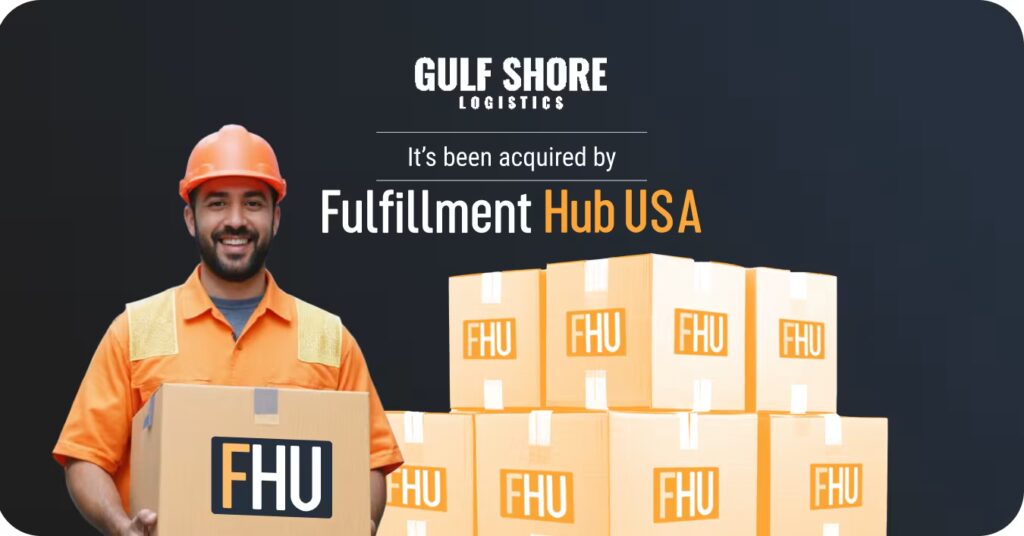
Fulfillment Hub USA Acquires Gulf Shore Logistics to Strengthen Nationwide Fulfillment Network

MIAMI, FL — July 28, 2025. Fulfillment Hub USA, a leading technology-enabled 3PL provider, is proud to announce the acquisition of Gulf Shore Logistics of Clearwater, Florida. This strategic move expands our client base, strengthens our logistics network, and consolidates operations to provide even greater speed, accuracy, and scalability to our partners. “This acquisition expands our client base and strengthens our network while giving every brand the benefits of our flagship Miami fulfillment center — speed, accuracy, visibility and scale,” said Abel Horvath, Founder & CEO of Fulfillment Hub USA. As part of the transaction, the Clearwater facility has been closed, and all client programs are being consolidated into our Miami headquarters at 3450 NW 115th Ave, Miami, FL 33178. The transition began July 1, 2025, and is scheduled to be fully completed by August 15, 2025. Why This Matters for Our Clients Important Notice for Gulf Shore Logistics Clients If you were previously a Gulf Shore Logistics client, you are now part of the Fulfillment Hub USA family. 👉 Please visit our Acquired Brands Portal for details on account migration, onboarding, and to update your information with us. This ensures seamless integration and uninterrupted service. Learn More You can read the original press coverage here: For any questions, please contact our Customer Success team at marketing@fulfillmenthubusa.com. About Fulfillment Hub USA Fulfillment Hub USA is a global third-party logistics (3PL) provider headquartered in Miami, Florida, with facilities across the United States, Europe, and India. Specializing in eCommerce fulfillment, B2B logistics, warehousing, and transportation, FHU leverages cutting-edge technology and tailored solutions to help brands scale with confidence. Frequently Asked Questions (FAQs) 1. What happened to Gulf Shore Logistics?Gulf Shore Logistics was acquired by Fulfillment Hub USA in July 2025. Operations from the Clearwater, FL facility are now consolidated into Fulfillment Hub USA’s Miami headquarters. 2. Will my services change as a Gulf Shore Logistics client?Your services will continue without interruption. In fact, you’ll now benefit from Fulfillment Hub USA’s advanced technology, faster fulfillment, and broader logistics network. 3. Where do I update my account information?All Gulf Shore Logistics clients should update their details through our Acquired Brands Portal to ensure a smooth onboarding and account migration. 4. When is the transition complete?The transition began on July 1, 2025 and is scheduled to be fully completed by August 15, 2025. 5. Who can I contact for support?Our Customer Success Team is available to help with onboarding, billing, or operational questions. Contact us at info@fulfillmenthubusa.com or call +1 (305) 123-4567. 6. How does this acquisition benefit clients?By consolidating into our Miami flagship center, clients gain greater speed, accuracy, scalability, and cost savings across warehousing, fulfillment, and transportation services.

Fulfillment Hub USA Acquires Gulf Shore Logistics to Strengthen Nationwide Fulfillment Network Read More »

Podcast Feature: Abel Horvath on Disruptive CEO Nation — From Startup to Global Fulfillment Partner in Record Time

We’re thrilled to share that Abel Horvath, Founder & CEO of Fulfillment Hub USA, sat down with Allison K. Summers on the Disruptive CEO Nation Podcast – Episode 301 to talk about the wild ride of launching a logistics startup just four months before the COVID-19 pandemic — and scaling it into one of the fastest-growing 3PL companies in the world. Titled “Beyond the Warehouse: E-Commerce, Tariffs & Entrepreneurial Grit,” this episode is a behind-the-scenes look at how Fulfillment Hub USA became a vital logistics partner for e-commerce brands across the globe. Highlights from the Episode What Makes FHU Different Throughout the conversation, one thing is clear: Fulfillment Hub USA isn’t just about moving boxes. We’re about helping businesses grow—especially when the unexpected hits. Our services include And with over 9 million packages shipped last year, we know what it takes to deliver at scale—without compromising service. Listen to the full episode here:Disruptiveceonation Ready to learn how we can help your brand grow? Contact us at https://fulfillmenthubusa.com/#contact

Podcast Feature: Abel Horvath on Disruptive CEO Nation — From Startup to Global Fulfillment Partner in Record Time Read More »

Inflation on the Rise: How Global Factors Are Driving Up Prices

Inflation on the Rise: How Global Factors Are Driving Up Prices for Fulfillment Hub USA In recent times, the global economy has been experiencing a significant rise in inflation rates. This uptick in inflation has been driven by various factors, such as supply chain disruptions, increased demand for goods and services, and rising energy costs. These global factors have had a direct impact on businesses across different industries, including the logistics and fulfillment sector. As the world grapples with the challenges posed by inflation, companies like Fulfillment Hub USA are navigating through the complexities of rising prices and evolving market dynamics. Fulfillment Hub USA, a leading provider of logistics and fulfillment services, has been at the forefront of adapting to these changes and finding innovative solutions to meet the needs of its clients. One of the key drivers of inflation in the logistics and fulfillment industry has been the disruptions in global supply chains. The COVID-19 pandemic has exposed the vulnerabilities of supply chains, with lockdowns and restrictions leading to delays in production and distribution. These disruptions have resulted in shortages of raw materials, increased shipping costs, and longer lead times for deliveries. Furthermore, the surge in demand for e-commerce services has put additional pressure on the logistics and fulfillment sector. With more consumers opting to shop online, businesses are facing higher volumes of orders and the need for faster and more efficient delivery services. This increased demand has led to higher operating costs for companies like Fulfillment Hub USA, as they strive to meet the evolving needs of their clients. Another factor contributing to the rise in prices for Fulfillment Hub USA is the escalating energy costs. As the cost of fuel and transportation continues to increase, logistics providers are being forced to pass on these additional costs to their clients. This has resulted in higher shipping fees, which ultimately impact the overall expenses for businesses relying on fulfillment services. In light of these challenges, Fulfillment Hub USA has been proactive in implementing strategies to mitigate the impact of inflation on their operations. By leveraging technology and automation, Fulfillment Hub USA has been able to streamline their processes and improve efficiency, ultimately reducing costs for their clients. Additionally, they have been working closely with their partners and suppliers to find cost-effective solutions and negotiate better rates to offset the rising prices. Despite the current economic climate, Fulfillment Hub USA remains committed to providing top-notch logistics and fulfillment services to their clients. With a focus on innovation and customer satisfaction, Fulfillment Hub USA continues to adapt to the changing market conditions and deliver value-added solutions to businesses looking to optimize their supply chain operations. FAQs: Q: How has inflation impacted the logistics and fulfillment industry? A: Inflation has led to higher operating costs for logistics providers, resulting in increased prices for fulfillment services. Q: What steps is Fulfillment Hub USA taking to address the challenges of rising inflation? A: Fulfillment Hub USA is implementing technology and automation to improve efficiency and reduce costs, while also working closely with partners to find cost-effective solutions. Q: How can businesses mitigate the impact of inflation on their supply chain operations? A: Businesses can explore automation, negotiate better rates with suppliers, and optimize their processes to offset the effects of rising prices. In conclusion, the current rise in inflation rates driven by global factors has had a significant impact on the logistics and fulfillment industry. Companies like Fulfillment Hub USA are facing challenges in navigating through these turbulent times, but are resilient in their efforts to provide exceptional services to their clients. By staying agile, innovative, and customer-focused, Fulfillment Hub USA continues to be a trusted partner for businesses seeking reliable logistics and fulfillment solutions. For more information on Fulfillment Hub USA and their services, visit https://fulfillmenthubusa.com or contact them at 3450 NW 115th Ave, Miami, FL 33178, United States.

Inflation on the Rise: How Global Factors Are Driving Up Prices Read More »