

International Shipping
International shipping by air, or over the seven seas, your shipment is our priority.

Globetrotters
Fulfillment Hub USA deals with customers globally. We have packages coming in from overseas and leaving our warehouses to destinations around the globe. We deal with B2B and B2C customers globally, and we choose our delivery partners with care to ensure that your package is in good hands.
We ship by:
– Air
– Sea
– Railways
– Roadways
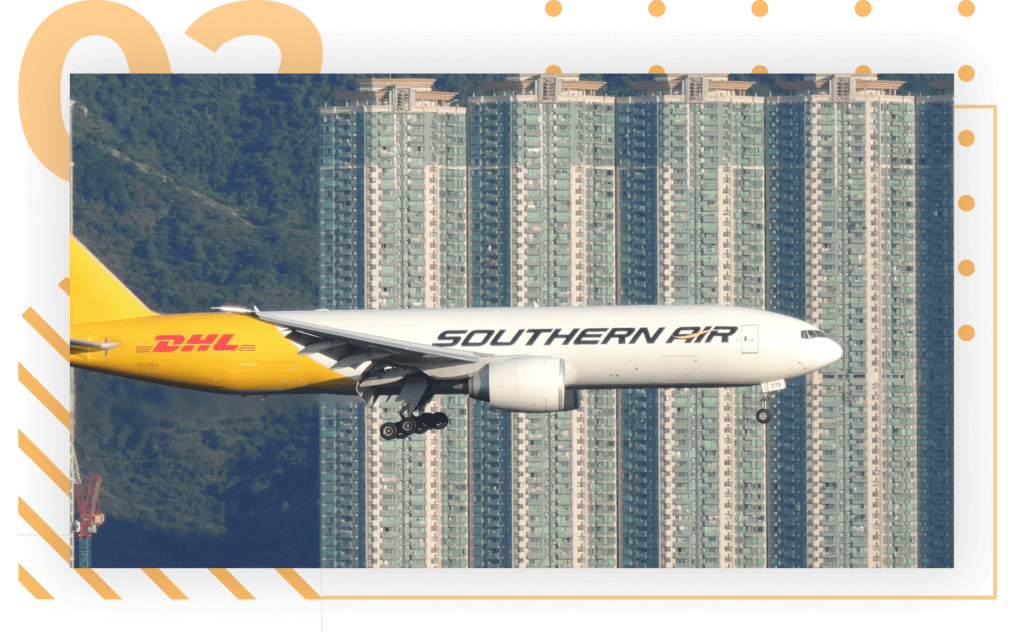
International shipping via Air Cargo
Air delivery is the quickest option. Our premium customers opt for air travel in many cases when goods cannot wait or have a short shelf life. We have ties with reputed services such as FedEx, UPS, and our customers benefit from the discounts we receive.
Advantages: – Fastest way to move goods – Reduces damage and theft, as the overall handling of the cargo is low – Great to transport of goods with low shelf life – Good for businesses with JIT management methods
Air delivery is the quickest option. Our premium customers opt for air travel as some goods cannot wait or have a low shelf life. We have tie-ups with reputed services such as FedEx, UPS, and more that we use regularly, and the discounts we get are what end customers benefit from.
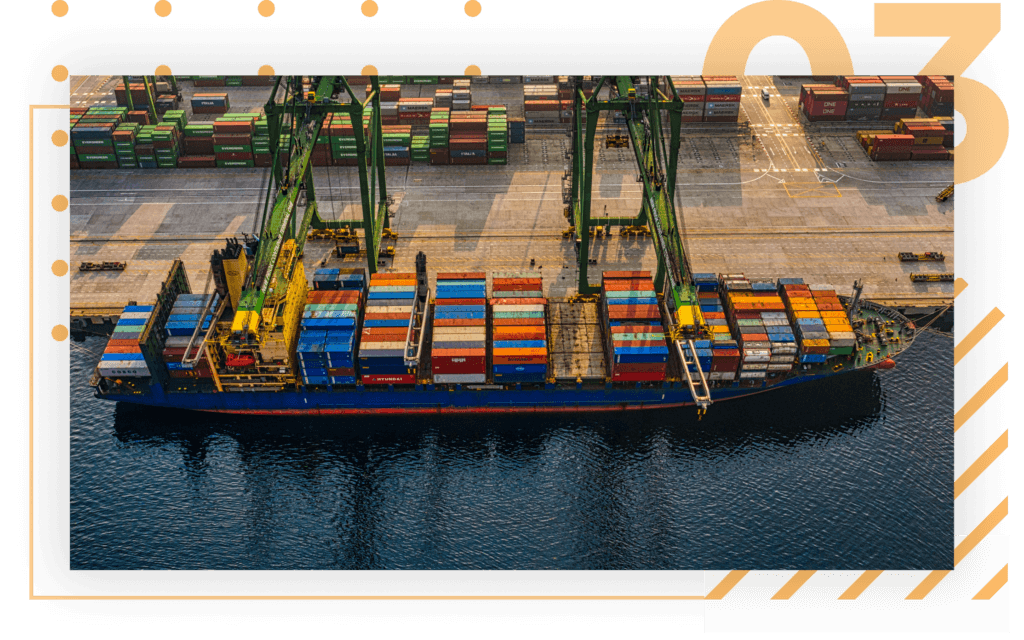
International shipping and delivery by sea
Fulfillment Hub USA ships globally, and the most efficient, cost-effective way is by sea. We’re situated close to seaports, and we can cut down costs significantly when using ships.
Advantages:
– Cost-effective
– No size or weight limit
– Most environmentally friendly
– Extensive coverage around the world
Fulfillment Hub USA ships globally and the most efficient way is by sea. As we are situated close to seaports, we can cut down costs when using ships as this is the preferred means when trying to be cost-effective.
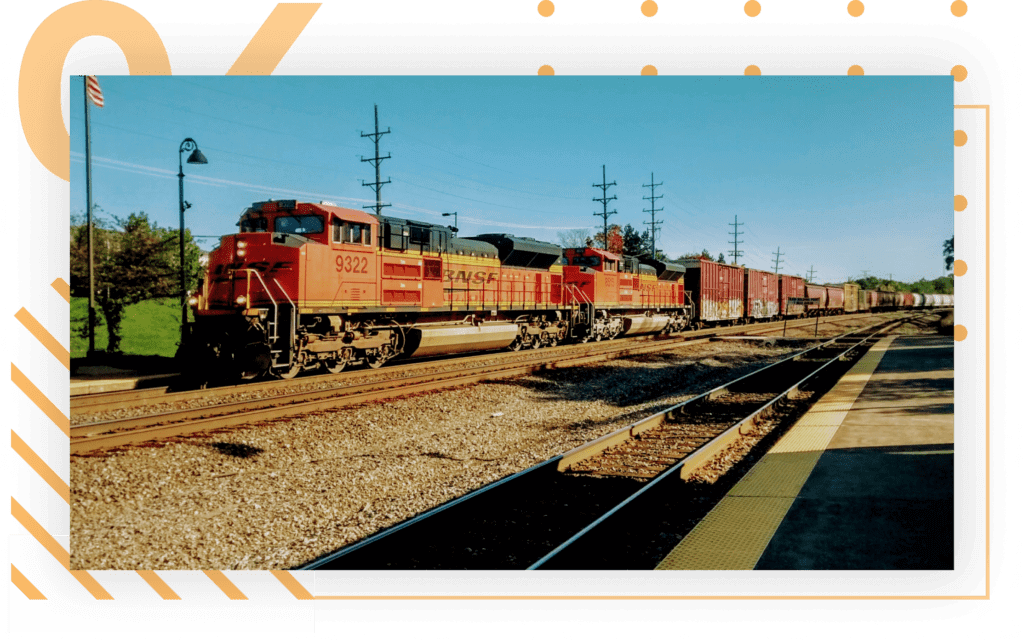
Railways
Railways are a common and reliable transport method with a long history. The railway network is also well-connected in North America and Europe, making it an affordable option. And trains run cleaner compared to trucks because they consume less fuel. They’re also the least affected by bad weather such as rain or snow.
Railways are also fast (second to air cargo), especially when transporting goods on the same continent as they can carry much higher speeds longer. Trains also run like clockwork and have fewer breakdowns or accidents compared to any other mode of transport, making them consistent and dependable.

The most valuable partner for customs
Clearing customs and paying duties is a nightmare when you don’t have assistance. So is importing goods from other countries. Sometimes, goods can be stuck for days or even weeks. Add to that hidden charges, paperwork, and the waste of precious time.
But Fulfillment Hub USA can take care of the entire process for you. What you get at the end is one consolidated bill that includes the total cost, a tracking number, and peace of mind. We offer you of no hidden costs, and efficient service.
Ship Beyond the borders with Fulfillment Hub USA!


Ship Beyond the borders with Fulfillment Hub USA!
Serve your customers across the globe with our affordable and rapid International Shipping Services.
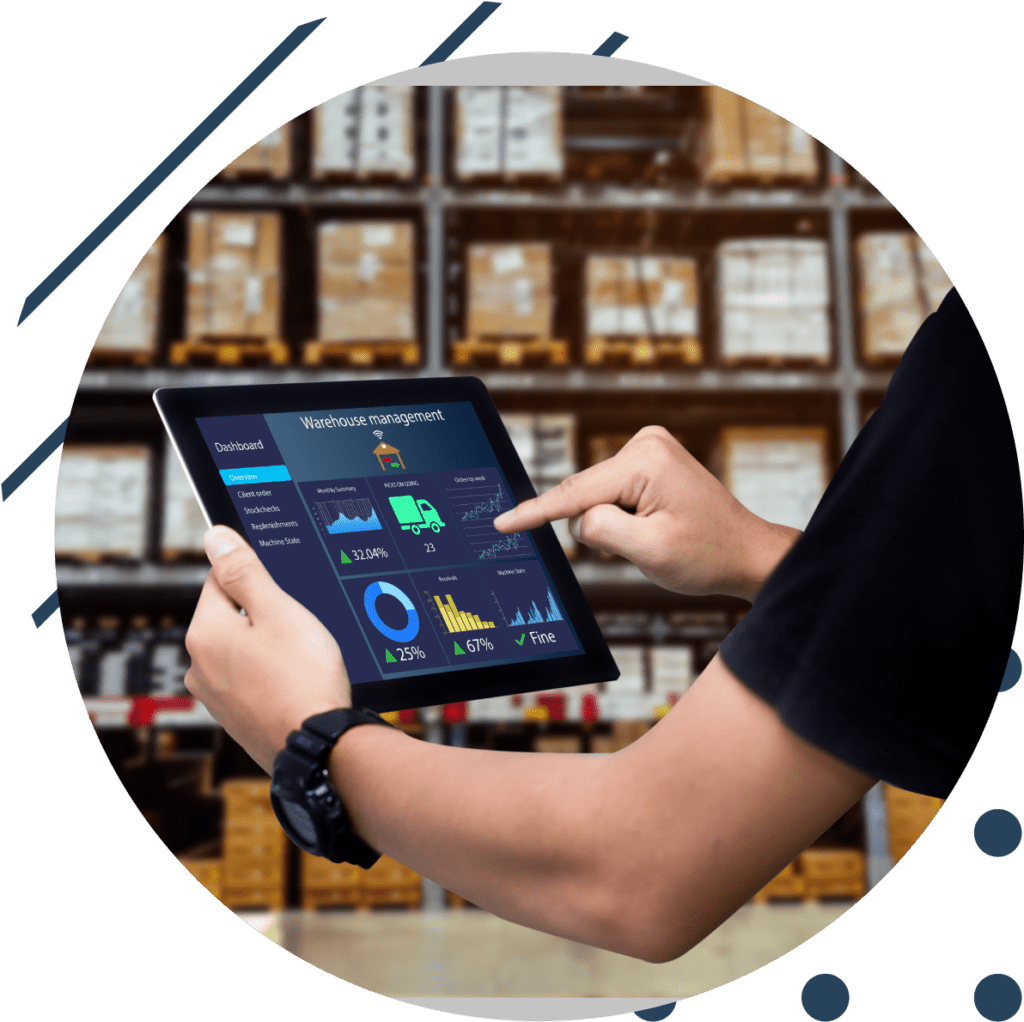
Versatile Software
Part of what makes Fulfillment Hub USA this efficient is our versatile software. We can integrate multiple e-Commerce platforms, while you can also integrate custom platforms. All your reports are in one place so that you have the flexibility of running your analytics. For more details about our software, you can refer to our dedicated software section.

Effective Customer Support
Customer Support is crucial in every business as customers are key. With this aspect strongly emphasized, our dedicated team is always available to assist you throughout the process to ensure that your package reaches safe, and always on time. In the meantime, if there is any assistance you need, get in touch with our experts.

Anything you want to ask us about?
If you have anything specific to ask us, be it a custom service, quote, or anything related to our services, feel free to get in touch through our live chat option or write to us. We are quick to respond, so you have your answers instantly. We know that time is money and we don’t waste either of it for your business.
International Shipping Services for E-Commerce Brands

International shipping buyer guide
International shipping support for brands that need clearer cross-border workflows
International shipping requires more planning than choosing a carrier service. Product category, destination markets, documentation, declared values, duties, taxes, delivery promise, returns, and customer communication should all be reviewed before orders or replenishment shipments move across borders.
Fulfillment Hub USA can help brands organize the fulfillment-side workflow around cross-border shipping needs, while brands remain responsible for the product, commercial details, and compliance decisions that apply to their goods and destination markets.
Cross-border workflow checkpoints
The practical workflow starts with product data, country restrictions, carton details, order values, shipment purpose, customer communication, and return handling. A shipment can be delayed by missing information even when warehouse execution is accurate.
- Confirm destination countries, product categories, declared values, documentation ownership, and return rules.
- Review parcel, freight, replenishment, and marketplace requirements separately because each movement can need different documentation.
- Define how customers receive tracking, customs-related updates, delivery-exception notices, and return instructions.
- Track shipment delays, carrier exceptions, documentation corrections, duties questions, and landed-cost feedback.
Pricing and readiness
Pricing is scoped from the actual workflow: storage profile, monthly order volume, SKU count, units per order, packaging rules, receiving cadence, returns handling, and transportation needs. Use the pricing page as a starting point, then request a custom quote when the workflow includes marketplace prep, wholesale rules, regulated products, freight, or custom packaging.
- Prepare shipment volume, destination mix, product type, dimensions, weight, values, packaging rules, and timing expectations.
- Separate ecommerce parcels, wholesale replenishment, freight, imports, and returns because each workflow has different cost drivers.
- Confirm who owns product classification, documentation review, customer messaging, and exception escalation.
Buyer questions
What information is needed for international shipping?
Provide product details, destination countries, quantities, values, dimensions, weight, shipping purpose, documentation needs, and return handling expectations.
Can cross-border fulfillment use the same warehouse inventory?
Yes, but allocation rules and documentation requirements should be defined so domestic and international orders do not conflict.
Who handles customs decisions?
The brand should confirm product, classification, and compliance responsibilities with qualified advisors where needed; the fulfillment workflow should support accurate documentation and handoff.
Related pages to review
- Imports and customs support: Plan inbound and documentation coordination.
- Freight services: Scope larger international or replenishment movements.
- Domestic shipping: Compare domestic and cross-border execution requirements.
International inventory planning
Connect inventory placement to cross-border shipping
Cross-border inventory planning should connect destination demand, replenishment lead time, safety-stock decisions, shipment mode, customs responsibilities, and return routes. A brand can use one warehouse inventory pool for domestic and international orders, but allocation rules are needed so a promotion, marketplace replenishment, or delayed inbound shipment does not consume stock promised to another channel.
- Estimate demand and replenishment lead time by destination, channel, and SKU family.
- Set review points for available stock, allocated stock, safety stock, inbound timing, and carrier or customs exceptions.
- Model landed-cost inputs separately from fulfillment fees, including transportation, duties, taxes, brokerage, and return handling where applicable.
- Assign ownership for product classification, documentation, broker instructions, customer notices, and inventory reallocation decisions.
These checkpoints support operational planning; brands should confirm customs, tax, and product-compliance decisions with qualified advisors for the markets they serve.