

Domestic Shipping Services in the USA
Manage nationwide parcel and freight delivery with transparent pricing, reliable transit coverage, and operational support tailored to growing brands.
Big package, small package, any package – Delivered on time by land or air.

We pick, pack, and ship
Domestic Shipping is a crucial part of our business as more people opt for doorstep deliveries. Our Domestic Shipping services are cost-effective, accurate, and safe. No matter what your package size, we pick, pack, and ship, letting you concentrate on scaling up your business.
As part of our domestic services, we offer several options and customizable services to suit every need. Whether you need customized packaging, stickers, flyers, or whatever you have in mind, we do it.
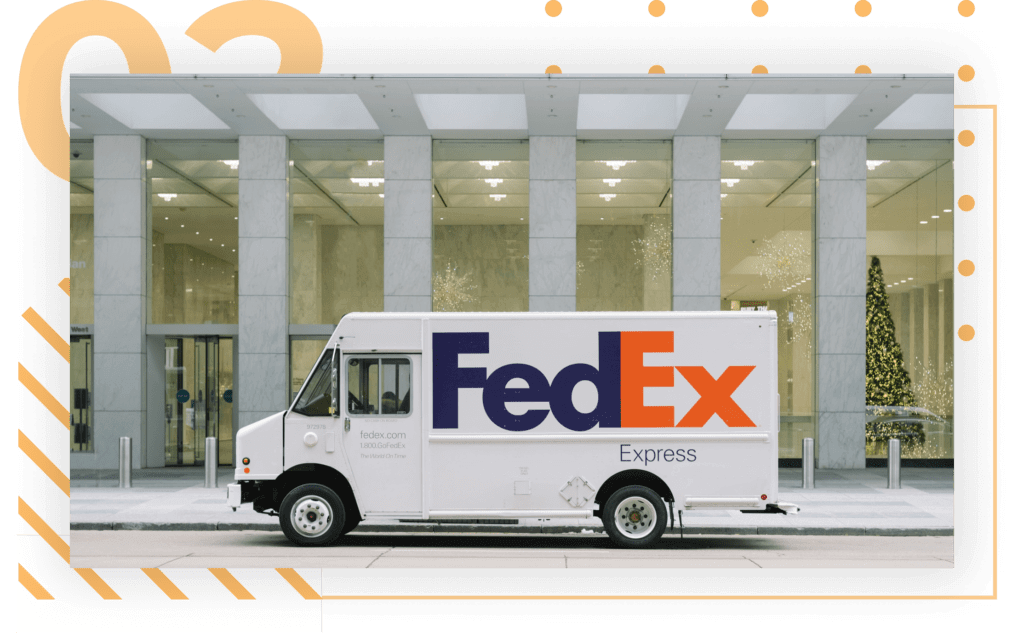
Same day delivery
Fulfillment Hub USA specializes in same-day delivery, ensuring that your customers get the quickest possible service . As soon as our WMS gets an order update, the item is picked, packed as per your terms and conditions, and shipped out the same day. This way, we know that your customers are happy, helping us serve you better. At the end of the day, customer satisfaction is key.

By road
Moving goods via land is the most common method and usually suits domestic shipping. Again, perishable goods can be transported by land, given that the destination is typically not too far away.
Transporting goods on trucks has been the preferred choice for many years. Roadways connect every place on earth and when we look at North America and Europe, minimal documentation allows trucks to pass to different states and countries. Smaller carriers can offer last-mile services.
Advantages:
– Well-connected
– Last-mile connectivity (trucking)
– Cost-effective
Moving goods via land is the most common method and usually suits domestic shipping. Again, perishable goods can be transported by land, given that the destination is typically not too far away.
Transporting goods on trucks has been the preferred choice for many years. Roadways connect every place on earth and when we look at North America and Europe, minimal documentation allows trucks to pass to different states and countries. Smaller carriers can offer last-mile services.
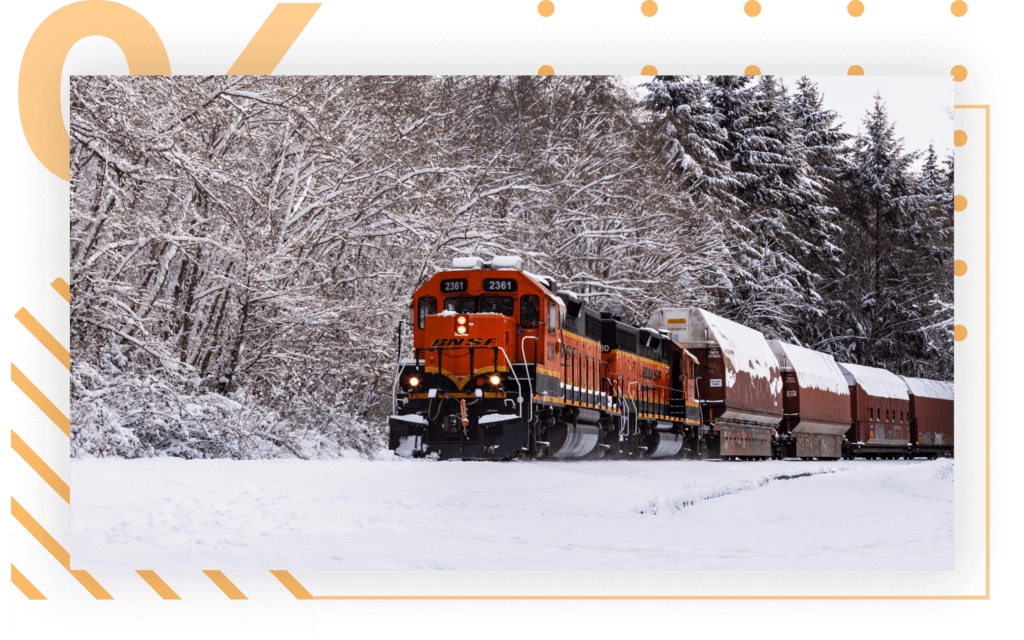
Shipping by train
Railways are a common and reliable transport method with a long history. The railway network is also well-connected in North America and Europe, making it an affordable option. And trains run cleaner compared to trucks because they consume less fuel. They’re also the least affected by bad weather such as rain or snow.
Railways are also fast (second to air cargo), especially when transporting goods on the same continent as they can carry much higher speeds longer. Trains also run like clockwork and have fewer breakdowns or accidents compared to any other mode of transport, making them consistent and dependable.
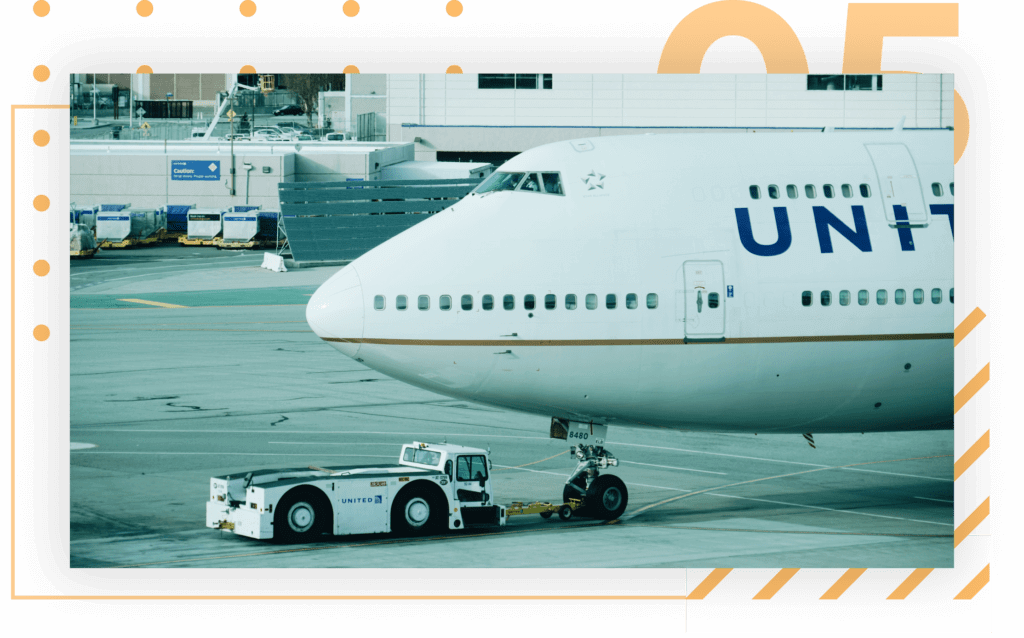
Shipped by air
Air delivery is the quickest option. Our premium customers opt for air travel when some goods cannot wait or have a low shelf life. We have ties with reputed services such as FedEx, UPS, and more that we use regularly, and the discounts we get are what end customers benefit from.
Advantages:
– Fastest way to move goods
– Reduces damage and theft as the overall handling of the cargo is low
– Great to transport goods with low shelf-life
– Good for businesses with JIT management methods
Air delivery is the quickest option. Our premium customers opt for air travel when some goods cannot wait or have a low shelf life. We have ties with reputed services such as FedEx, UPS, and more that we use regularly, and the discounts we get are what end customers benefit from.
Want to deliver rapidly locally?


Want to deliver rapidly locally?
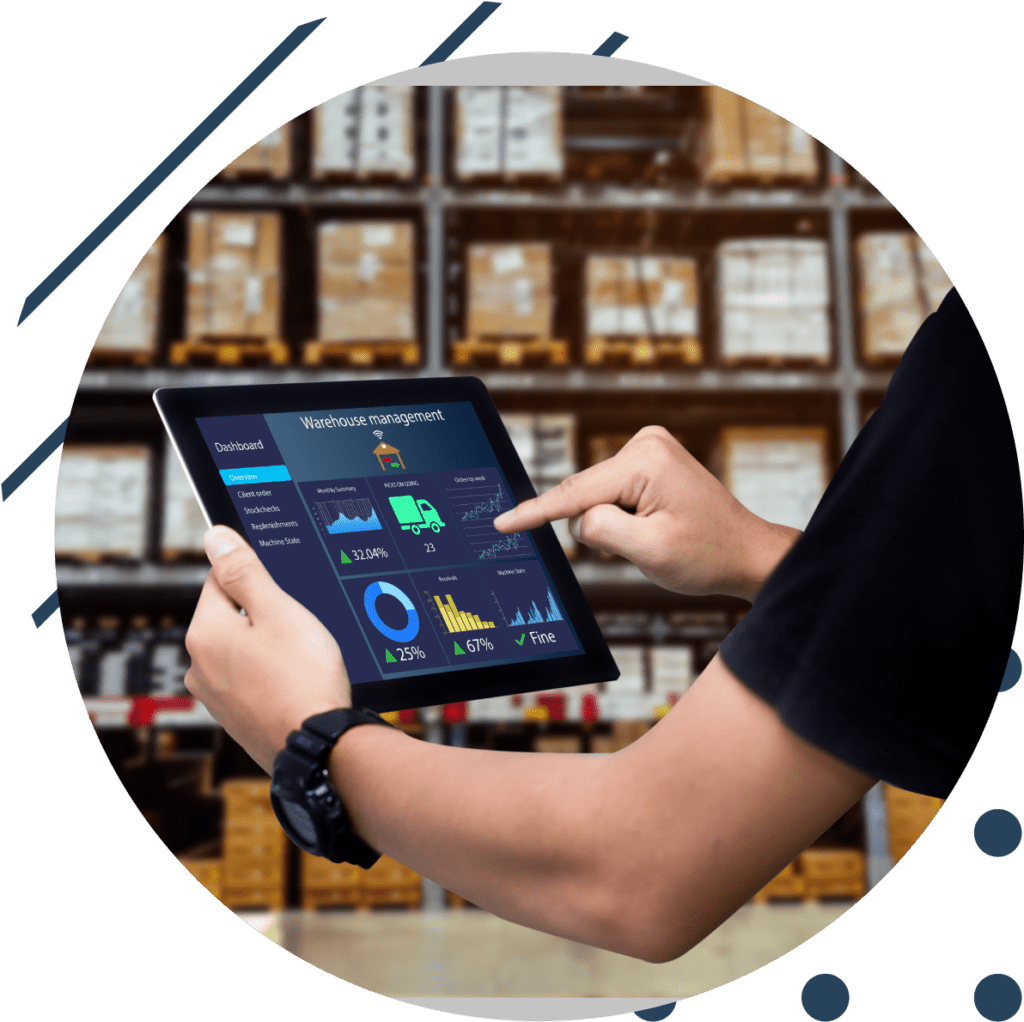
Versatile Software
Part of what makes Fulfillment Hub USA this efficient is our versatile software. We can integrate multiple e-Commerce platforms, while you can also integrate custom platforms. All your reports are in one place so that you have the flexibility of running your analytics. For more details about our software, you can refer to our dedicated software section.

Effective Customer Support
Customer Support is crucial in every business as customers are key. With this aspect strongly emphasized, our dedicated team is always available to assist you throughout the process to ensure that your package reaches safe, and always on time. In the meantime, if there is any assistance you need, get in touch with our experts.

Anything you want to ask us about?
If you have anything specific to ask us, be it a custom service, quote, or anything related to our services, feel free to get in touch through our live chat option or write to us. We are quick to respond, so you have your answers instantly. We know that time is money and we don’t waste either of it for your business.
Take a look at our transparent plans & prices

We help businesses get the best logistics support in the country, with transparent pricing. Our clientele is global, and their trust keeps us striving for more. Pick a base price and build on it, or get in touch to get a custom quote.
Domestic shipping buyer guide
Domestic shipping support that connects carrier choice to fulfillment execution
Domestic shipping decisions affect delivery promise, shipping cost, customer support, returns, and replenishment planning. A useful shipping workflow starts in the warehouse, where product dimensions, order cutoff times, packaging, carrier service, and scan timing all meet.
Brands should evaluate domestic shipping as part of the fulfillment model, not as a separate label purchase. Carrier mix, zone profile, service level, packaging size, dimensional weight, and exception handling all influence the final customer experience.
Shipping workflow checkpoints
The warehouse should define how orders are released, packed, weighed, rated, labeled, manifested, picked up, and tracked. That includes what happens when an address fails validation, a product is too fragile for the default carton, a carrier scan is delayed, or a shipment needs insurance or special handling.
- Review package dimensions, weight, carton choice, void fill, branded packaging, and dimensional-weight exposure.
- Define order cutoff times, carrier pickup rhythm, tracking upload, delivery exception review, and return routing.
- Compare parcel, regional, expedited, and freight-adjacent needs instead of using one default service for every order.
- Track carrier exceptions, damage claims, late scans, address corrections, and shipping-cost variance.
Pricing and carrier planning
Pricing is scoped from the actual workflow: storage profile, monthly order volume, SKU count, units per order, packaging rules, receiving cadence, returns handling, and transportation needs. Use the pricing page as a starting point, then request a custom quote when the workflow includes marketplace prep, wholesale rules, regulated products, freight, or custom packaging.
- Provide shipment weight, dimensions, destination mix, order volume, packaging rules, and service-level expectations.
- Separate standard parcel orders from oversized, fragile, regulated, or high-value products that need review.
- Review how shipping data will be shared with finance, customer support, and operations after launch.
Buyer questions
What affects domestic shipping cost?
Cost is affected by destination zone, package size, weight, carrier service, dimensional weight, pickup rhythm, surcharges, packaging, and return volume.
Should shipping be scoped separately from fulfillment?
It should be itemized, but not isolated. Shipping choices depend on pack process, product dimensions, inventory location, order cutoff, and customer promise.
What should be monitored after launch?
Monitor scan timing, delivery exceptions, claim rate, address corrections, return reasons, service-level mix, and cost per shipment.
Related pages to review
- E-commerce fulfillment: Connect shipping decisions to daily order flow.
- Freight services: Review larger shipment coordination.
- Pricing: Prepare quote inputs for shipping and fulfillment.