

Wholesale & B2B Fulfillment Services
Support retail replenishment, bulk routing, pallet prep, and inventory visibility with wholesale fulfillment built for growing brands.
We strive to offer our clients the highest quality of packaging and shipping accuracy.
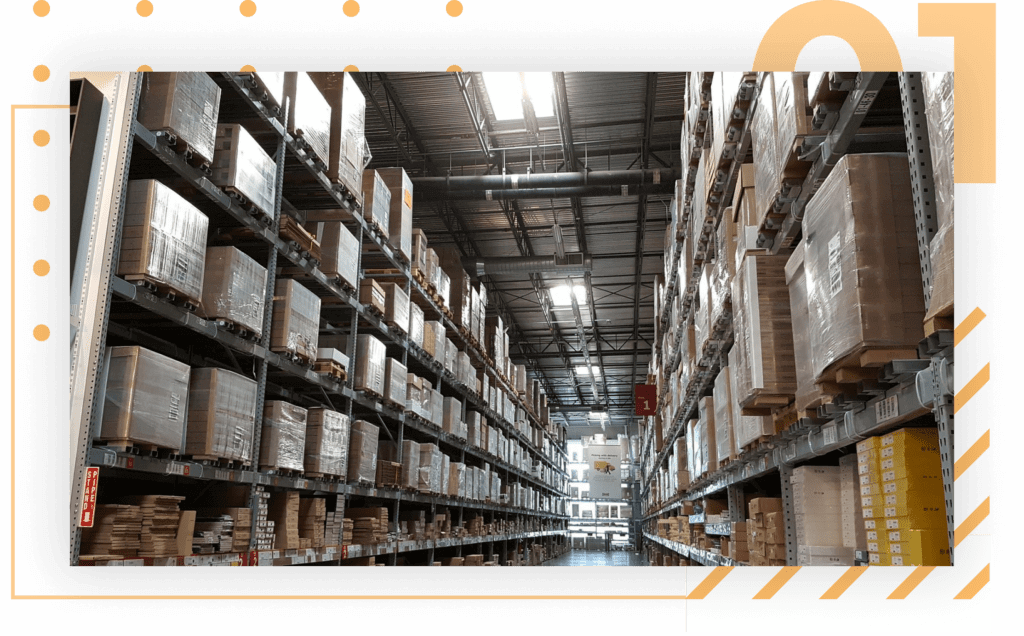
High-quality fulfillment
Our wholesale fulfillment business is constantly evolving in a demanding world. We aim to offer the highest quality packaging material while being faster, more efficient, and accurate. Our wholesale fulfillment deals with low, medium, or a high volumes of cargo, and we provide an optimized approach to wholesale fulfillment.
Fulfillment Hub USA’s wholesale arm can handle a large number of SKUs, offer an ambient temperature for your goods, manage seasonal shifts in volume with ease, and handle online and offline processing.

Reliability you can count upon
Your business relies on high-quality products delivered to customers on time. From the time we receive orders, verify shipping information, complete custom packing, up until the time of delivery, our customers are constantly updated, with the ability to track goods in real time.
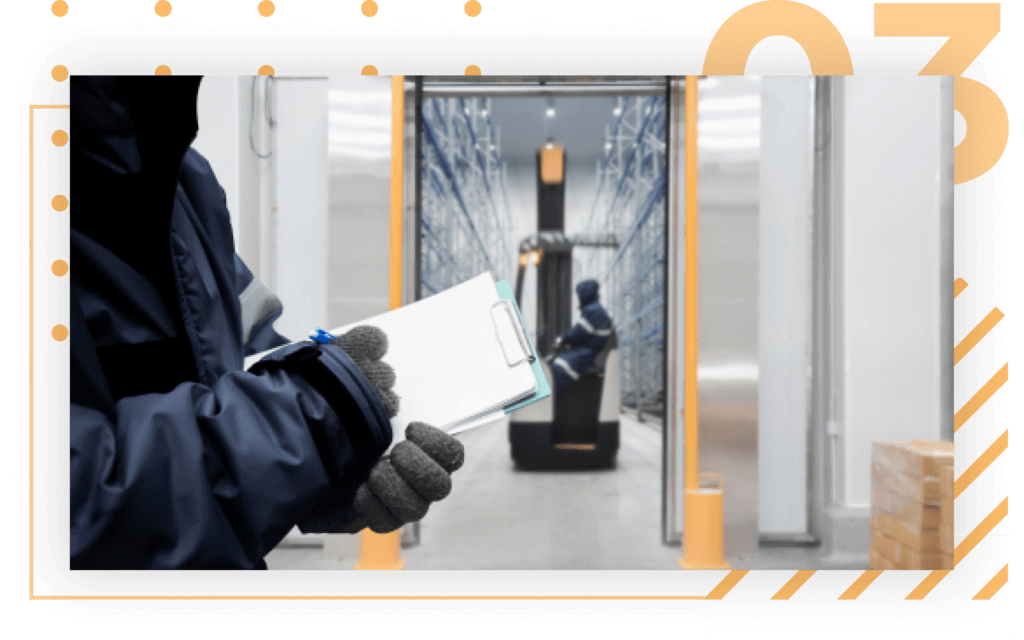
Temperature-controlled facility
Some wholesale assets need fine-tuned solutions. Some companies deal with goods that need special care — goods like pharmaceutical products, food, and produce — and 3PL providers need to be ready. For these products, the storage facility needs to be temperature-controlled.
Fulfillment Hub USA has a robust temperature monitoring system in place. We monitor our storage facility 24 hours a day, 365 days a year. Apart from a system to monitor the internal temperature, we also keep track of the weather outside.

Safety first
Security cameras monitor the entire building, and some wholesale packages need extra safety measures. Fulfillment Hub USA can accommodate additional cameras for specific packages to monitor them. Extra security guards and police are another way we beef up safety measures.
Taking safety procedures up a notch, trackers can be included in the cases, pallets, and even in trucks to ensure there’s no trouble en route. Measures such as these ensure that the delivery is made, at the intended location. And loading and unloading indoors ensure no other party is involved apart from the intended workers.

Your goods are our assets
Under the United States Uniform Commercial Code (UCC), the warehouse assumes responsibility for the goods stored for a fee. If goods are damaged or stolen, the warehouse is liable for not exercising reasonable care over the assets.
Get in touch with us. Let's finalize it!


Get in touch with us. Let's finalize it!
Speak with a Fulfillment Hub representative today to ask questions or discuss concerns regarding your fulfillment needs.
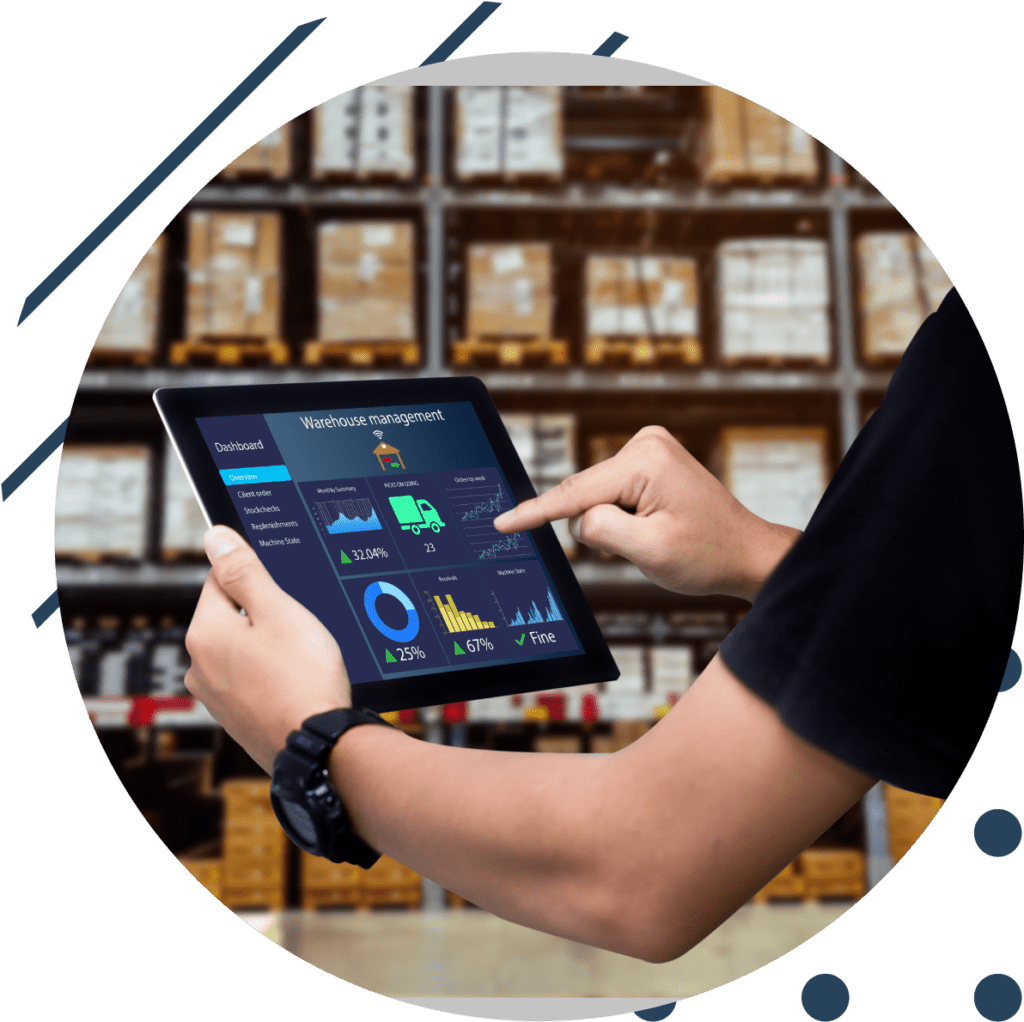
Versatile Software
Part of what makes Fulfillment Hub USA so efficient is our versatile software. We can integrate multiple e-Commerce platforms, and you can integrate custom platforms. All your reports are in one place so that you have the flexibility of running your analytics. For more details about our software, please refer to our dedicated software section.

Effective Customer Support
Customer service is our first priority. Our dedicated team is always available to assist you throughout the process to ensure that your package reaches customers safely, and on time. If you have questions, get in touch with our experts.

Anything you want to ask us about?
Whether you’re looking for custom service, a quote, or anything else related to our services, feel free to get in touch through our live chat or send us an email to get a quick response. We know that time is money!
Take a look at our transparent plans & prices

We help businesses get the best logistics support in the country, with transparent pricing. Our clientele is global, and their trust keeps us striving for more. Pick a base price and build on it, or get in touch to get a custom quote.
Wholesale fulfillment buyer guide
B2B and wholesale fulfillment that protects retailer requirements
Wholesale fulfillment has a different risk profile than parcel ecommerce. Retailers, distributors, boutiques, and B2B customers often require carton rules, pallet standards, routing guides, labels, appointment windows, packing slips, portal updates, and proof of delivery.
The page should help buyers understand how wholesale orders are received, staged, packed, routed, documented, and reconciled without pulling inventory visibility away from ecommerce and marketplace channels.
Wholesale workflow controls
A strong wholesale workflow starts with retailer requirements before the order is picked. Routing guides, case packs, carton markings, label placement, pallet configuration, appointment timing, ASN or portal needs, and chargeback risks should be reviewed before replenishment orders ship.
- Confirm retailer routing guides, carton labels, pallet rules, appointment windows, and portal requirements.
- Define case-pack logic, split-case handling, lot or batch needs, packing slips, and exception approvals.
- Coordinate wholesale orders with ecommerce inventory so one channel does not create preventable stockouts.
- Track carrier handoff, proof of delivery, chargeback risk, returns, and dispute documentation.
Pricing and readiness
Pricing is scoped from the actual workflow: storage profile, monthly order volume, SKU count, units per order, packaging rules, receiving cadence, returns handling, and transportation needs. Use the pricing page as a starting point, then request a custom quote when the workflow includes marketplace prep, wholesale rules, regulated products, freight, or custom packaging.
- Prepare order size, carton count, pallet requirements, retailer list, routing guides, and expected replenishment cadence.
- Separate B2B handling from parcel ecommerce, FBA prep, kitting, freight, and returns assumptions.
- Review how wholesale exceptions and retailer deadlines will be communicated after launch.
Buyer questions
What makes wholesale fulfillment more complex?
Wholesale often includes routing guides, carton labels, pallet rules, appointments, portal updates, chargeback risk, and larger order sizes.
Can wholesale and ecommerce use the same inventory?
Yes, if allocation rules, safety stock, replenishment timing, and channel priority are managed together.
What should be sent before the first B2B order?
Send retailer requirements, carton standards, label rules, packing slip needs, EDI or portal instructions, order history, and timing expectations.
Related pages to review
- Storage services: Plan inventory staging for cartons, pallets, and replenishment.
- Freight services: Coordinate larger B2B movements.
- Kitting and repackaging: Prepare retailer-ready bundles and packs.