









Storage services buyer guide
Storage services that keep inventory ready for fulfillment
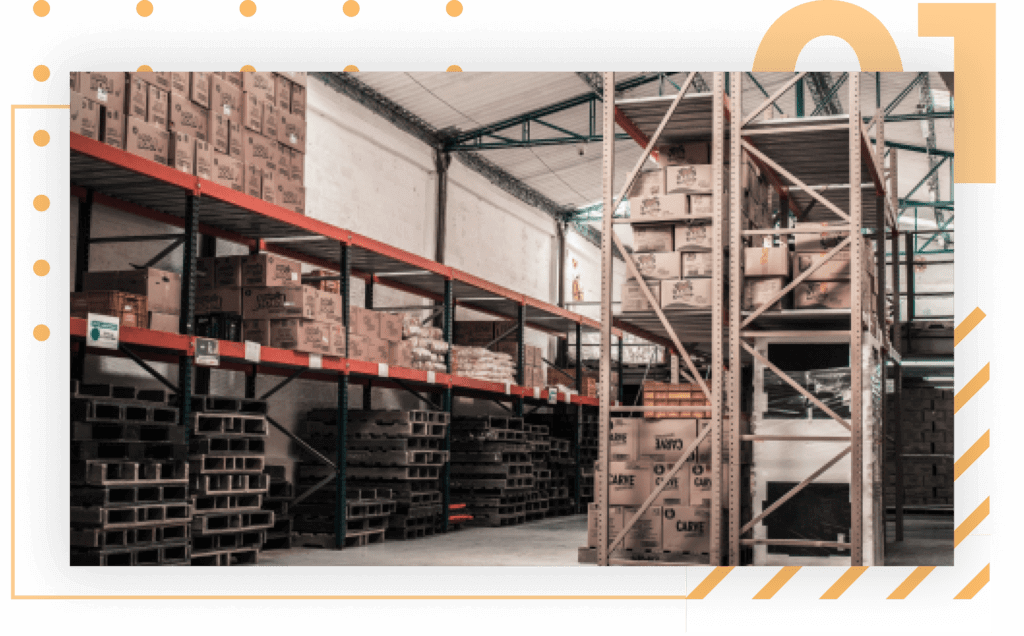
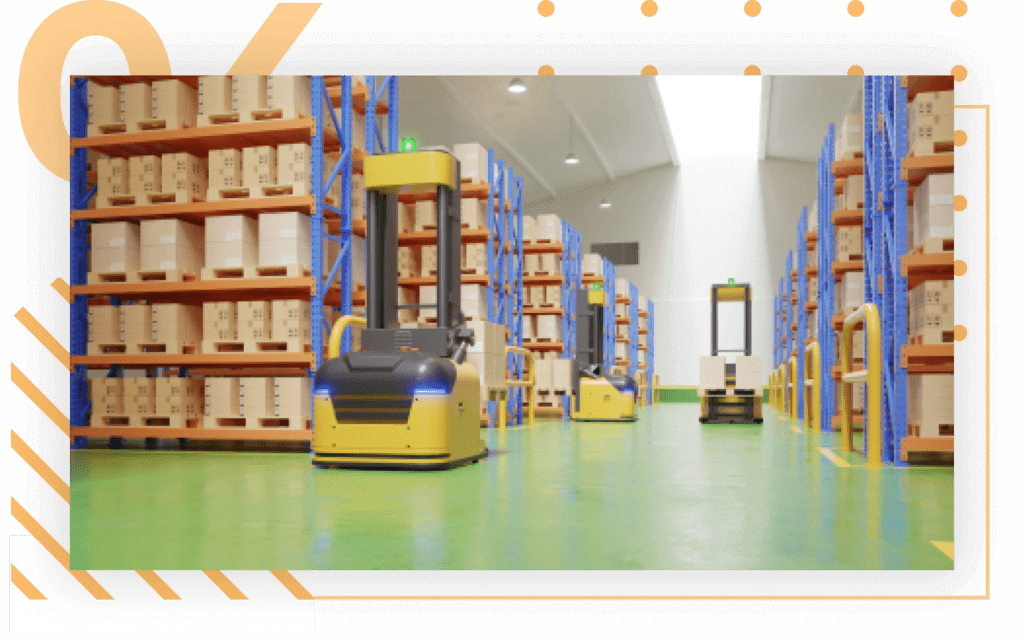
Storage services should protect inventory condition and make products easier to fulfill, replenish, transfer, kit, or return. The storage model should be designed around product size, velocity, channel mix, handling rules, and reporting needs.
A brand that only buys space can still run into stockouts, overstock, aging inventory, lost cartons, and replenishment delays. The better question is how storage connects to receiving, inventory visibility, pick locations, wholesale staging, kitting, returns, and reporting.
Storage model checkpoints
The storage plan should define the physical location type, inventory ownership, receiving standards, SKU labeling, cycle counts, replenishment triggers, access controls, special handling, and how inventory moves into active workflows.
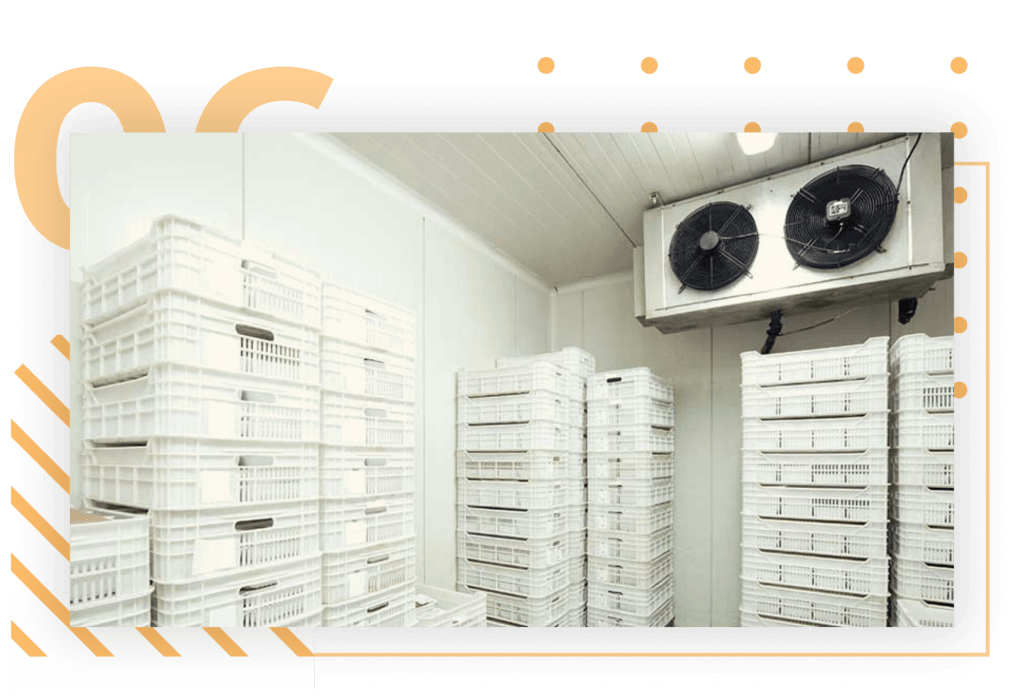
- Define pallet, shelf, bin, overflow, secure, climate-aware, or special-handling needs by SKU family.
- Confirm receiving paperwork, carton labels, SKU setup, putaway rules, count cadence, and discrepancy handling.
- Map stored inventory to ecommerce fulfillment, wholesale orders, FBA prep, kitting, freight, transfers, and returns.
- Review inventory aging, slow movers, overstock, stockouts, shrink risk, and replenishment timing regularly.
Pricing and readiness
Pricing is scoped from the actual workflow: storage profile, monthly order volume, SKU count, units per order, packaging rules, receiving cadence, returns handling, and transportation needs. Use the pricing page as a starting point, then request a custom quote when the workflow includes marketplace prep, wholesale rules, regulated products, freight, or custom packaging.
- Prepare pallet counts, carton counts, SKU dimensions, velocity, handling needs, receiving cadence, and channel mix.
- Separate long-term storage, active pick storage, seasonal overflow, wholesale staging, and project inventory.
- Confirm how storage reporting will support purchasing, finance, customer support, and operations decisions.
Buyer questions
What storage information should be provided?
Provide SKU count, dimensions, pallet or carton count, storage condition, velocity, receiving cadence, handling needs, and channel mix.
How does storage connect to fulfillment?
Storage setup affects pick speed, inventory accuracy, replenishment, kitting, wholesale staging, returns, and stockout prevention.
When does storage need custom review?
Custom review is useful for high-value goods, regulated products, fragile items, climate needs, seasonal overflow, unusual dimensions, or project inventory.
Related pages to review
- Warehousing services: Review receiving and warehouse controls.
- E-commerce fulfillment: Connect storage to order processing.
- Kitting and repackaging: Plan component and finished-kit inventory.
Related storage workflows
Storage decisions usually affect the rest of the fulfillment workflow. Use the related pages below to connect inventory planning with kitting, B2B replenishment, and the next step for scoping a warehouse setup.
- Kitting and repackaging support for products that need bundles, inserts, labeling, or repacking before shipment.
- Wholesale fulfillment for stored inventory moving into retailer or distributor orders.
- All 3PL services for comparing storage with shipping, returns, integrations, and custom workflows.
- Discuss storage requirements with the team when SKU count, climate, or volume details are ready.