
Mission logistics context
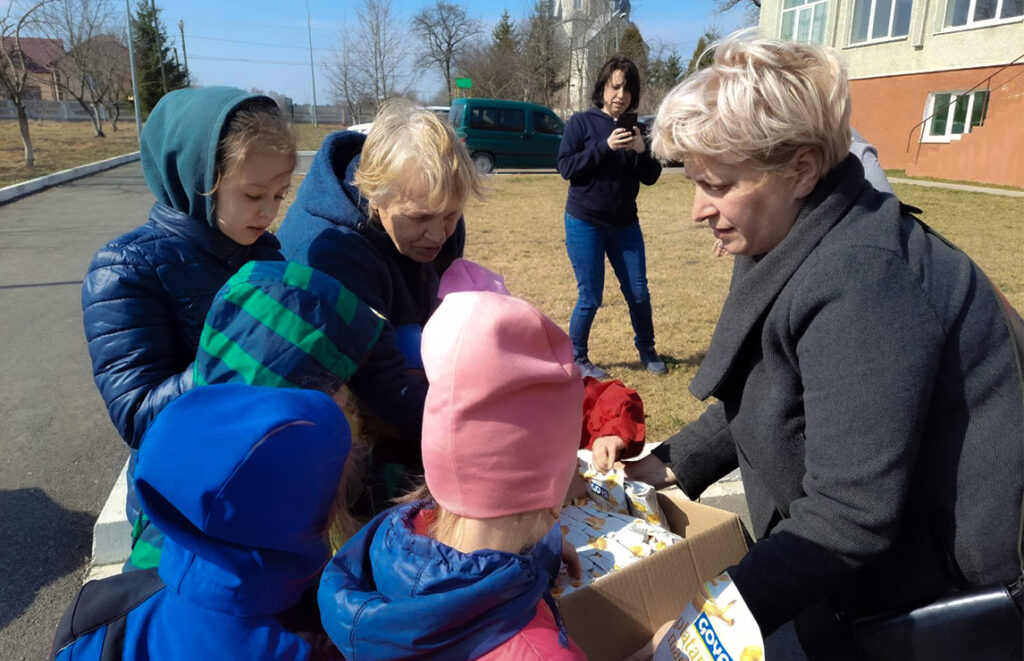
Relief missions that involve food, medicine, spiritual supplies, and rescued children require careful coordination before, during, and after transport. The work described on this page depends on timing, documentation, route awareness, and safe handoffs between teams operating across borders and support locations.
For a logistics company, the practical lesson is that humanitarian shipping cannot be treated as a normal parcel flow. Supplies need to be grouped by urgency, destination, handling requirements, and recipient readiness so the mission team can keep people, goods, and communications moving together.
That coordination should include a short review before each movement: who is responsible for the load, which items are most urgent, what route constraints exist, and how receiving partners will confirm arrival. These basics make the mission easier to execute safely.
Relief transport checklist
- Separate food, medicine, spiritual supplies, and personal items by handling need and destination.
- Confirm pickup timing, route notes, and partner contact details before departure.
- Keep basic documentation with each load so receiving teams can verify contents quickly.
- Escalate safety, delay, or access issues immediately so mission coordinators can adjust plans.