
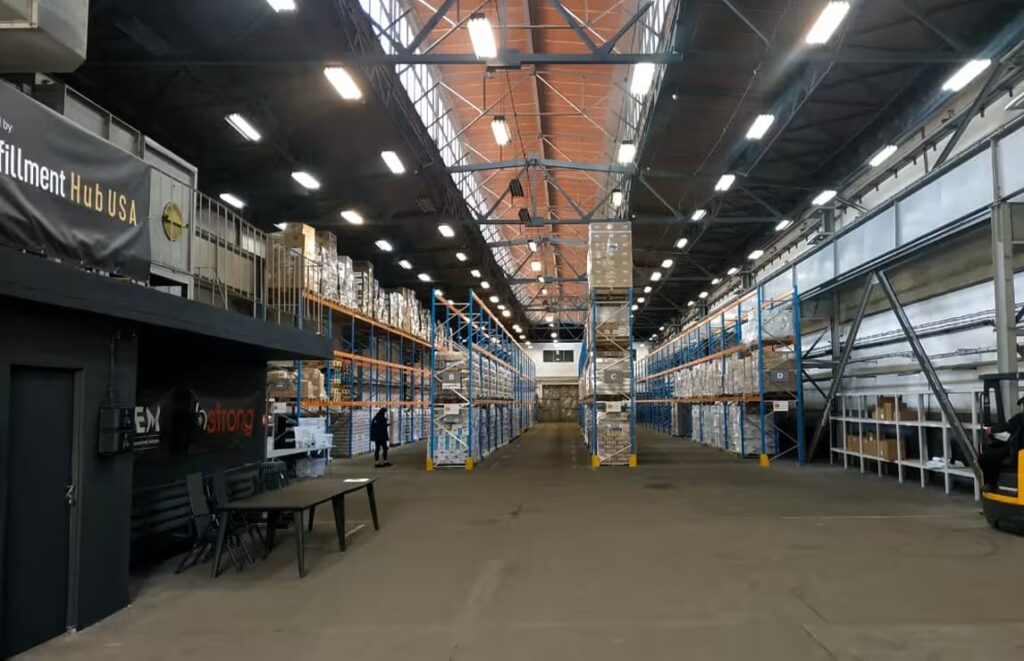
Relief warehouse coordination context
A warehouse-based aid network depends on the same operational discipline used in commercial fulfillment: clear intake rules, usable inventory records, staged outbound loads, and consistent handoffs between partners. For Ukraine relief work, those controls help donors, warehouse teams, and field coordinators understand what is available and where supplies need to move next.
The Rzeszow warehouse context also shows why logistics capacity matters during emergency response. When supplies are received, sorted, labeled, and routed through a shared process, support teams can spend less time reconciling information and more time moving aid toward the people and organizations requesting it.
Daily review is especially important when aid requests, donor arrivals, and outbound routes change quickly. A simple warehouse rhythm can keep intake, staging, loading, and partner updates aligned without adding unnecessary complexity for relief teams.
Aid-network operating checklist
- Record donor intake, item condition, packaging type, and outbound priority before storage.
- Use simple labels and inventory notes so warehouse teams can find goods quickly.
- Coordinate carrier pickup, partner handoff, and recipient communication before goods leave the facility.
- Review exceptions daily so delayed, damaged, or incomplete shipments can be escalated.