

Keep variants clear
Define a distinct SKU and barcode for each size and color, then confirm receiving and pick rules before inventory moves.
Your brand. Every size. Every order.
Best fit: brands shipping 1,000+ orders/month
Bring your size and color variants, channel mix and packaging requirements. Build a fulfillment plan around the way your apparel brand actually sells.
Let's plan your next step
Share a few details. Our team can discuss your order profile, product requirements and timing.
Your inquiry helps us respond to your request. Optional analytics and advertising follow your .
Prefer a conversation? Find a time to talkBuilt around your operating details
Define a distinct SKU and barcode for each size and color, then confirm receiving and pick rules before inventory moves.
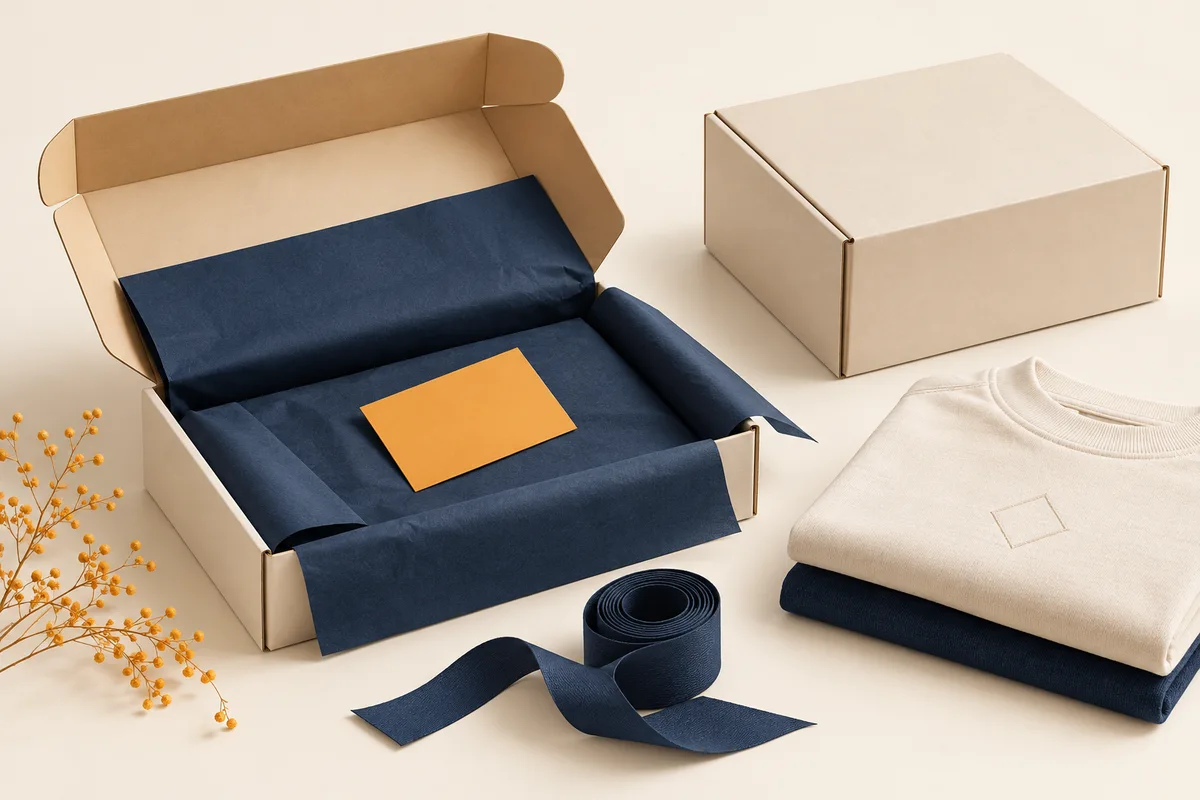
Agree how garments, tissue, inserts and any kitted sets should be packed. Confirm materials, samples and charges in the proposal.
Set the inspection criteria and decide which returned items can restock, need review or require another disposition.
Details that make the difference
A style sold in several sizes and colors creates separate stock decisions. Prepare a catalog with the sellable SKU, barcode, description and variant for each item. Identify multipacks and bundles separately from their individual components. Share how those identifiers appear in your store so the receiving team and order connection can use the same references.
For a new collection, separate inventory that is ready for sale from samples, damaged pieces and stock held for another purpose. Explain whether units arrive folded, on hangers or in other packaging. Confirm the receiving and storage arrangement in the proposal; do not assume that every apparel presentation uses the same handling process or space.
Show the desired order presentation with a sample or photographs. List the garment protection, tissue, inserts and outer packaging that belong in a normal order, then explain exceptions such as a gift set or multiple garments. Decide who supplies each material and how replacement packaging is approved if the preferred material is unavailable.
Embroidery, direct-to-garment printing and other customization need a separate scope review. Bring the artwork, placement, item types, approval process and expected quantities. Availability, facility, turnaround and charges must be confirmed for the program. A branded box and a customized garment are different jobs, so describe each requirement instead of grouping them under a single packaging instruction.
Define what the team should inspect when an item comes back: the SKU, size, quantity, condition and any required tags or packaging. Set the decision rules for restocking, holding for review or another agreed disposition. Make clear which decisions need your authorization and what information will help you make that decision without another round of questions.
If your brand also sells through marketplaces or retail channels, share the different presentation and shipping requirements. Merchant-fulfilled orders can be planned around warehouse stock, but inventory already sent to Amazon FBA remains a separate pool. Test the intended stock and order flows before relying on the connection during a collection launch or a promotion.
From inquiry to an agreed launch
Send the monthly range, SKU and variant count, items per order, channels and target timing. Include a typical order and a complicated one so both can be discussed.
Confirm product suitability, receiving format, storage, pack-out instructions and returns decisions. Record the work and materials included in the itemized proposal.
Check SKU matching, quantities, packaging instructions and the intended order connection with representative examples. Resolve discrepancies before sending the full collection into the process.
Agree who reviews exceptions, stock differences and returns questions. Use the initial operating results to refine instructions without assuming that every request is already included.
Before your first conversation
Your SKU list, size/color variants, monthly order range, average items per order and packaging examples are a useful starting point.
Use our published pricing tools to explore components, then confirm the complete scope in an itemized proposal. Our fulfillment planning guides can help you prepare the questions.
Get a fulfillment quoteA few useful answers
Explore apparel and accessories services and discuss the requirements that matter to your products.
Branded packaging and kitting can be scoped to your program. Confirm the materials, sample approval, work instructions and charges before launch.
Agree the inspection and disposition rules, including what qualifies for restocking. Returns work and its pricing belong in the operating scope.
Merchant-fulfilled channels can be planned around warehouse inventory, subject to connection and allocation testing. Amazon FBA stock is a separate inventory pool.