
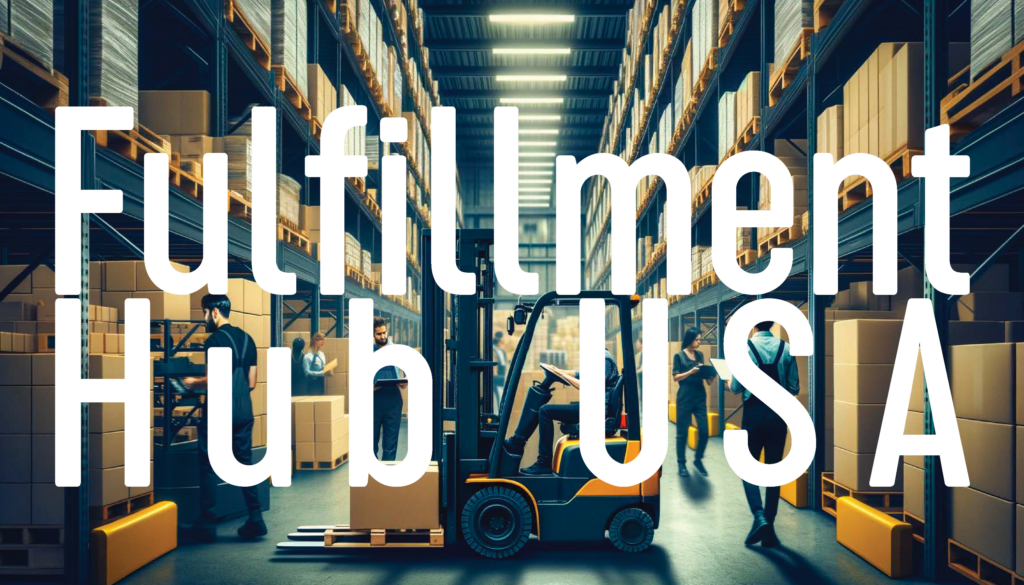
As e-commerce continues to grow, efficient warehousing solutions are essential for businesses. There is a rising need to understand how west coast e-commerce warehousing can provide cost-effective solutions. With recent developments in logistics and warehousing technologies, companies can improve their supply chains and reduce expenses. This article will explain the various options available, emerging trends, and best practices to enhance fulfillment strategies along the West Coast.
Key Takeaways
- West Coast warehousing reduces shipping times and costs.
- Technology integration streamlines fulfillment processes.
- Flexible warehousing solutions adapt to seasonal demands.
- Strategic locations boost distribution efficiency.
- Cost-effective practices can enhance customer satisfaction.
- Investment in automation can lower long-term operational costs.
Table of Contents
- Defining E-commerce Warehousing
- Recent Developments in West Coast Warehousing
- Cost-Effective Solutions in E-commerce Fulfillment
- Technology and Automation in Warehousing
- Advantages of Strategic Location
- Conclusion
- FAQ
- External Sources
Defining E-commerce Warehousing
E-commerce warehousing refers to the storage and management of products for online retailers. This involves handling inventory, order fulfillment, and distribution processes. Efficient warehousing supports faster delivery and improved customer satisfaction.
For example, a West Coast-based e-commerce company may utilize a local warehouse to cut shipping times from days to hours, improving the overall customer experience.
Recent Developments in West Coast Warehousing
In 2023, several innovations and changes have influenced e-commerce warehousing on the West Coast. The rise of digital transformation has accelerated the adoption of artificial intelligence (AI) and machine learning in logistics. Companies are now using these technologies to optimize inventory management and predict demand trends.
Latest developments:As of July 2023, a number of logistics providers on the West Coast have reported implementing AI-driven systems that reduce operational costs by up to 30%. This trend is likely to continue as more businesses seek efficiency.
In short: Recent advances in AI and machine learning are shaping the future of warehousing, leading to cost savings and operational improvements.
Cost-Effective Solutions in E-commerce Fulfillment
Implementing cost-effective solutions in e-commerce fulfillment requires strategic planning. Here are some effective practices:
-
Shared Warehousing:By sharing space with other businesses, costs can be divided and overall expenses reduced.
-
Outsourced Fulfillment Services:Employing third-party logistics (3PL) companies allows businesses to focus on growth rather than warehousing operations.
-
Inventory Management Software:Utilizing software tools helps track inventory efficiently, reducing the risk of overstocking or stockouts.
-
Flexible Storage Options:Seasonal inventory needs can be addressed through flexible warehousing contracts, minimizing unnecessary costs.
-
Direct-to-Consumer (DTC) Distribution:Shipping directly from warehouses to customers can cut down layering in logistics.
In short: Implementing shared warehousing, outsourcing, and effective inventory management can enhance cost efficiency.
Technology and Automation in Warehousing
The integration of technology in warehousing is no longer optional; it is essential for competitive edge. Here are a few significant technologies transforming the industry:
-
Warehouse Management Systems (WMS):These systems enhance inventory tracking and order processing.
-
Automated Picking Systems:Robotics and automated picking solutions can increase efficiency and accuracy.
-
Real-Time Analytics:Providing insights into inventory levels, shipping performance, and demand forecasting.
-
Drones for Delivery:Drones are emerging as a solution for faster deliveries, especially in urban areas.
-
Internet of Things (IoT):IoT devices monitor inventory conditions, keeping products safe and reducing waste.
In short: Technology adoption increases efficiency and enables better inventory management, contributing to cost savings.
Advantages of Strategic Location
Choosing a warehouse location on the West Coast can drastically affect your fulfillment strategy. Key benefits include:
- Proximity to Major Markets:Being near populous areas like Los Angeles and San Francisco reduces shipping distances and times.
- Access to Ports:Coastal warehousing gives quick access to major ports for international shipping.
- Cost and Time Efficiency:Shorter delivery routes lead to lower shipping costs, ultimately enhancing customer satisfaction.
In short: Strategic West Coast locations enhance delivery efficiency and reduce operational costs significantly.
Conclusion
As e-commerce continues to flourish, understanding the cost-effective solutions in West Coast warehousing is crucial. Companies must adopt modern technologies, choose strategic locations, and implement best practices for inventory management. By doing so, they can optimize fulfillment processes and dramatically improve customer experience.
FAQ
Q: What are the benefits of using a 3PL?
A: Third-party logistics providers offer cost savings, scalability, expertise in logistics, and can handle warehousing and distribution efficiently.
Q: How important is location for a warehouse?
A: Location is vital as it affects delivery times, shipping costs, and access to major markets, all of which impact customer satisfaction.
Q: Can technology really minimize costs in warehousing?
A: Yes, the right technology enhances efficiency, reduces errors, and streamlines operations, leading to lower operational costs overall.
Q: What is shared warehousing?
A: Shared warehousing involves multiple businesses using the same warehouse facility, allowing them to share costs and reduce overhead expenses.