
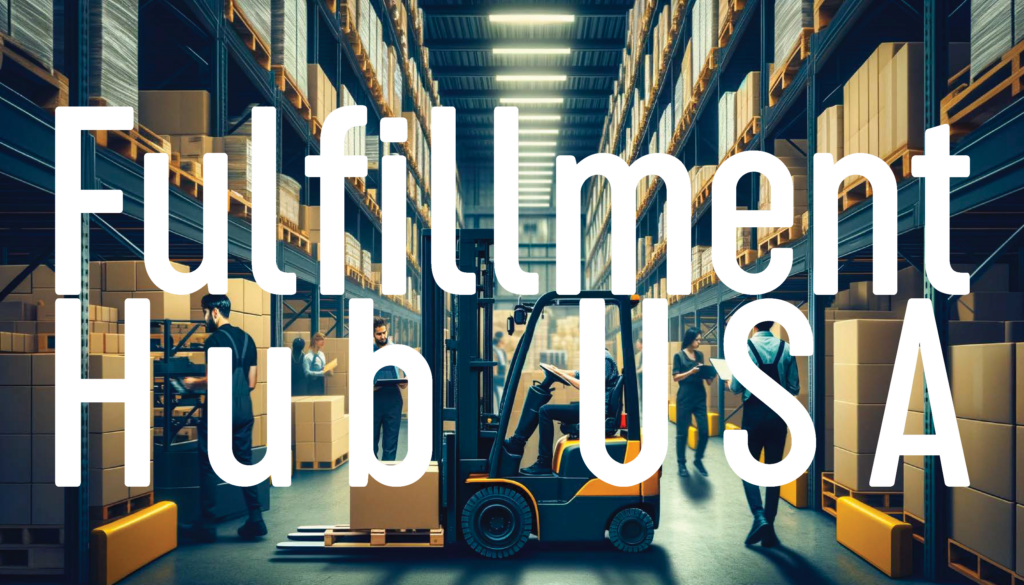
Navigating international shipping can be challenging for businesses. Cross border fulfillment plays a crucial role in streamlining this process. In recent months, the global supply chain landscape has evolved, underscoring the importance of efficient shipping solutions that transcend borders. This article explores how cross border fulfillment simplifies international shipping, providing your business with the tools to thrive in a competitive marketplace.
Key Takeaways
- Cross border fulfillment expands market reach beyond local boundaries.
- Streamlined processes reduce costs and improve delivery times.
- Technology enhances tracking and management of shipments.
- Compliance with international regulations is essential for smooth operations.
- Partnering with experienced fulfillment providers mitigates risks and boosts efficiency.
Table of Contents
- What is Cross Border Fulfillment?
- Benefits of Cross Border Fulfillment
- Key Challenges in Cross Border Fulfillment
- How to Optimize Your Cross Border Fulfillment Strategy
- Latest Developments in Cross Border Fulfillment
- FAQs
- Conclusion
What is Cross Border Fulfillment?
Cross border fulfillment refers to the management of logistics and distribution processes for goods sold across international borders. This includes storing products in warehouses located in foreign markets, processing orders, and managing shipping logistics. For example, a U.S.-based e-commerce business may utilize a fulfillment center in Canada to serve Canadian customers more effectively.
In short: Cross border fulfillment helps businesses manage international orders efficiently.
Benefits of Cross Border Fulfillment
1. Expanded Market Reach
Cross border fulfillment allows businesses to access new customers and markets without the need for a physical presence in every country. This opens up opportunities for growth and revenue generation.
2. Cost Efficiency
By leveraging local fulfillment centers, businesses can reduce shipping times and costs. Faster delivery can enhance customer satisfaction and create a competitive edge.
3. Improved Tracking and Management
A robust fulfillment system provides real-time tracking and inventory management, simplifying the shipping process. Businesses can monitor shipments and manage stock levels efficiently.
Key Challenges in Cross Border Fulfillment
1. Regulatory Compliance
International shipping involves navigating a complex web of regulations, tariffs, and customs requirements. Non-compliance can lead to delays and increased costs.
2. Language Barriers
Dealing with different languages can complicate communication with suppliers and customers, leading to potential misunderstandings.
3. Returns Management
Handling returns across borders can be more complicated than domestic processes. Businesses need a clear strategy to manage returns efficiently.
In short: Understanding these challenges is crucial for successful cross border fulfillment.
How to Optimize Your Cross Border Fulfillment Strategy
-
Choose the Right Fulfillment Partner: Select experienced fulfillment providers familiar with international shipping regulations and logistics.
-
Utilize Technology: Invest in advanced fulfillment software that offers inventory management, real-time tracking, and analytics.
-
Understand Local Regulations: Research the customs and regulatory requirements of each market where you plan to operate.
-
Develop a Clear Return Policy: Ensure that your return policy is transparent and easy to follow for international customers.
In short: Optimizing your strategy involves careful selection of partners and tools.
Latest Developments in Cross Border Fulfillment
As of October 2023, advancements in artificial intelligence (AI) and machine learning are transforming the cross border fulfillment landscape. These technologies are being used to enhance inventory management, predict consumer demand, and automate compliance checks. Companies that leverage AI can expect reduced operational costs and improved customer satisfaction.
In short: Recent tech advancements are reshaping the future of international shipping.
FAQs
What are the key components of cross border fulfillment?
The key components include warehousing, order processing, shipping logistics, and compliance management.
How do I choose a cross border fulfillment provider?
Look for experience in international shipping, positive reviews, and a track record of reliability.
Can small businesses benefit from cross border fulfillment?
Yes, small businesses can leverage cross border fulfillment to reach global customers and compete effectively.
What regulations should I be aware of?
You should understand customs duties, taxes, import restrictions, and product compliance standards in each target market.
In short: Awareness of regulations and provider selection are critical.
Conclusion
Cross border fulfillment simplifies international shipping, making it easier for businesses to expand their reach and improve customer satisfaction. By understanding the benefits, challenges, and strategies for optimization, you can successfully navigate the complexities of global trade. Consider partnering with a reliable fulfillment provider to streamline your processes and enhance your market presence.
For further details on fulfillment, check out Fulfillment Hub USA, which specializes in e-commerce fulfillment services and U.S. warehouse locations.