
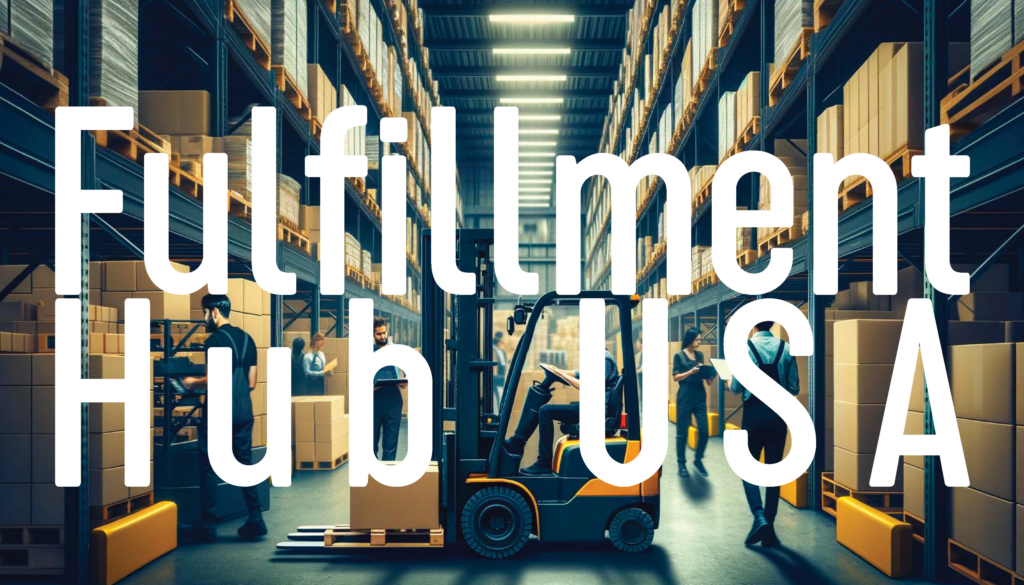
As global awareness of environmental issues rises, businesses must adapt to new consumer expectations. Eco-friendly fulfillment is no longer just a trend; it’s becoming a vital part of supply chain strategy. Companies are now focusing on sustainability to not only meet customer demands but also improve efficiency. Recent developments in eco fulfillment showcase innovative strategies and technologies aimed at reducing waste and carbon footprints. Understanding these trends is crucial for anyone looking to future-proof their business.
Key Takeaways
- Eco fulfillment focuses on sustainability and reducing environmental impact.
- Advanced technologies streamline operations and enhance efficiency.
- Consumer demand is shifting towards greener supply chain practices.
- Collaboration with suppliers improves ecological responsibility.
- Packaging innovations reduce waste and enhance customer satisfaction.
Table of Contents
- What is Eco Fulfillment?
- Trends Shaping Eco Fulfillment
- Innovative Technologies in Eco Fulfillment
- Best Practices for Sustainable Fulfillment
- Latest Developments
- FAQs
- Conclusion
What is Eco Fulfillment?
Eco fulfillment refers to the integration of sustainability practices into the supply chain process. This approach focuses on minimizing ecological impact through eco-friendly packaging, energy-efficient transportation, and waste reduction strategies. For example, companies may choose biodegradable packaging materials instead of plastic.
In short: Eco fulfillment promotes sustainable practices within supply chains to lessen environmental impact.
Trends Shaping Eco Fulfillment
Several key trends are emerging in the realm of eco fulfillment:
-
Increased Consumer Demand for Sustainability
Consumers are increasingly seeking out brands that prioritize eco-friendly practices. This shift is prompting businesses to adapt their fulfillment strategies accordingly. -
Circular Economy Practices
The circular economy encourages the reuse and recycling of products. Companies are now designing their fulfillment processes to minimize waste through refurbishment and recycling initiatives. -
Digital Transformation
Technology plays a crucial role in enhancing supply chain transparency. Businesses are using data analytics to assess their environmental impact and optimize operations. -
Sustainability Certifications
Many companies pursue certifications to demonstrate their commitment to sustainability. Certifications like ISO 14001 help validate eco-friendly practices within fulfillment operations.
In short: Trends like consumer demand and tech advancements are reshaping eco fulfillment strategies.
Innovative Technologies in Eco Fulfillment
New technologies are essential in moving towards eco fulfillment. Some notable innovations include:
-
Artificial Intelligence (AI): AI helps optimize delivery routes, reducing fuel consumption. By analyzing data, AI can also forecast demand, ensuring efficient inventory management.
-
Automation and Robotics: Automated systems enhance efficiency in warehousing. This reduces energy use and minimizes the need for manual labor, further lowering the carbon footprint.
-
Blockchain Technology: Blockchain enhances supply chain transparency. It provides detailed records of a product’s journey, ensuring accountability in sustainability claims.
Pros and Cons of Innovative Technologies
| Pros | Cons |
|---|---|
| Enhances efficiency | Initial costs can be high |
| Reduces waste | Requires ongoing maintenance |
| Lowers carbon footprint | Tech can be complex to integrate |
In short: Technologies like AI and blockchain significantly enhance eco fulfillment efficiency.
Best Practices for Sustainable Fulfillment
To enhance eco fulfillment, companies can adopt the following best practices:
-
Use Eco-Friendly Packaging
Choose materials that are recyclable or biodegradable to minimize waste. -
Optimize Transportation
Utilize electric or hybrid vehicles for deliveries to cut emissions. -
Implement Energy-Efficient Systems
Adopt energy-efficient lighting and heating in warehouses to reduce energy consumption. -
Collaborate with Partners
Work with suppliers and logistics partners who share sustainable practices to increase overall impact. -
Monitor and Measure Impact
Regularly assess and report on sustainability metrics to identify areas for improvement.
In short: Implementing best practices enhances a company’s commitment to eco fulfillment.
Latest Developments
Recent innovations and collaborations in eco fulfillment highlight this growing movement:
-
In January 2025, a major retailer announced a partnership with a logistics provider focused on reducing delivery emissions by 50% within the next five years. This emphasizes how companies can leverage partnerships to enhance sustainability.
-
A cutting-edge packaging technology was revealed in March 2025. This innovation allows businesses to use 75% less material without compromising product safety, showing advances in efficiency.
FAQs
What is the primary goal of eco fulfillment?
The primary goal is to minimize environmental impact throughout the supply chain, promoting sustainability and resource efficiency.
How does technology improve eco fulfillment?
Technologies like AI and blockchain enhance operational efficiency and transparency, leading to reduced waste and better resource management.
What role do consumers play in promoting eco fulfillment?
Consumers drive demand for sustainability, influencing businesses to adopt eco-friendly practices in their fulfillment strategies.
Can small businesses implement eco fulfillment practices?
Yes, small businesses can adopt cost-effective strategies like using recyclable packaging and optimizing local delivery routes.
What are the benefits of collaborating with sustainable partners?
Collaborating with sustainable partners can enhance accountability, improve operational efficiencies, and further reduce the carbon footprint of the entire supply chain.
Conclusion
Eco fulfillment is an evolving field that is crucial for businesses aiming to remain competitive in a changing marketplace. With a focus on sustainability, companies can improve their environmental impact while satisfying consumer demand. The next step for businesses is to explore implementing eco-friendly practices in their fulfillment operations.