
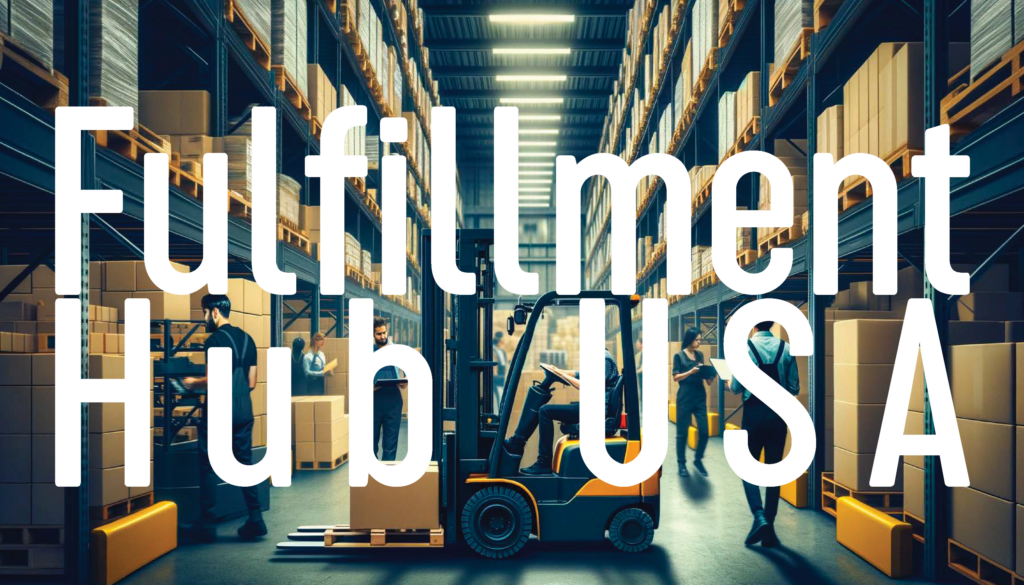
The increasing awareness of environmental issues has led to a demand for sustainable practices in every industry, including e-commerce fulfillment. Fulfillment companies are uniquely positioned to make a substantial impact through measurable sustainability practices. Implementing these can not only reduce the environmental footprint but also enhance brand loyalty and profitability. As of October 2023, fulfillment businesses are taking steps toward sustainable operations that meet consumer demands for eco-friendliness.
Key takeaways
- Adopting green packaging reduces waste and appeals to consumers.
- Energy-efficient warehousing lowers operational costs.
- Carbon offset programs enhance corporate responsibility.
- Using data analytics enables tracking of sustainability metrics.
- Collaborating with eco-friendly partners amplifies impact.
Table of contents
- Understanding Sustainability in Fulfillment
- Benefits of Implementing Sustainability Practices
- Measurable Strategies for Sustainability
- Latest Developments in Sustainable Fulfillment
- FAQ
- Conclusion
Understanding Sustainability in Fulfillment
Sustainability in fulfillment refers to practices that protect the environment while maintaining efficiency and profitability. This can include minimizing waste, reducing carbon emissions, and utilizing renewable resources.
For example, a fulfillment center can switch to using recycled materials for packaging, reducing the demand for new plastic. Companies like Fulfillment Hub USA (FHU) implement such changes that make a measurable difference in their sustainability efforts.
In short:Understanding sustainability is critical for fulfillment companies aiming to reduce their environmental impact.
Benefits of Implementing Sustainability Practices
Implementing sustainable practices offers numerous advantages for fulfillment companies. These benefits can often lead to enhanced brand reputation.
1. Cost Savings:Energy-efficient equipment and waste reduction strategies lead to lower operational costs.
2. Customer Loyalty:Modern consumers prefer businesses that prioritize sustainability. This can boost customer loyalty and attract new clients.
3. Regulatory Compliance:As laws around sustainability tighten, being proactive helps companies stay compliant and avoid fines.
4. Competitive Advantage:Companies with strong sustainability programs can differentiate themselves in the crowded e-commerce market.
In short:Sustainability practices can provide direct and indirect benefits, strengthening a fulfillment company’s market position.
Measurable Strategies for Sustainability
Fulfillment companies can adopt various measurable strategies to become more sustainable. Here are key steps.
1. Adopt Green Packaging Solutions
Switch to recyclable materials for packaging. Measure your waste reduction by tracking the amount of packaging waste generated over time.
2. Optimize Transportation
Utilize software for route optimization that reduces fuel consumption. Monitor your carbon emissions monthly to track improvements.
3. Invest in Renewable Energy
Using solar panels or wind energy can significantly cut down on energy costs. Track energy consumption and savings achieved through renewable sources.
4. Implement Energy-Efficient Warehousing
Upgrade to energy-efficient lighting and HVAC systems. Measure your energy use before and after upgrades.
5. Participate in Carbon Offset Programs
Partner with organizations that plant trees or invest in renewable energy. Track the number of offsets you purchase annually.
6. Collaborate with Like-minded Partners
Working with suppliers committed to sustainability amplifies efforts. Evaluate partner impacts through a sustainability scorecard.
In short:Implementing these measurable strategies leads to a clear path toward sustainability in fulfillment.
Latest Developments in Sustainable Fulfillment
In recent months, several notable trends have emerged in sustainable fulfillment practices.
October 2023
The U.S. Environmental Protection Agency updated guidelines for waste reduction in e-commerce to encourage more sustainable practices.
September 2023
A survey found that 70% of consumers now prefer brands that have clear sustainability initiatives.
August 2023
Companies are increasingly utilizing technology to track their waste and energy consumption more effectively.
In short:Staying informed of the latest trends can help fulfillment companies adapt and innovate.
FAQ
What are the most effective sustainability practices for fulfillment companies?
Effective practices include green packaging, energy-efficient warehousing, and optimizing transportation to reduce carbon footprints.
How can companies measure their sustainability efforts?
Companies can track waste reduction, energy consumption, and carbon emissions to assess their sustainable initiatives.
Why is sustainability important in fulfillment?
Sustainability helps reduce environmental impact, saves costs, complies with regulations, and improves customer loyalty.
What role does technology play in sustainability?
Technology enables better tracking and management of resources, improving overall sustainability performance.
Conclusion
Embracing measurable sustainability practices is essential for fulfillment companies aiming to remain competitive and responsible. By adopting green packaging, optimizing transportation, and investing in renewable resources, companies not only help the environment but also improve their bottom line. Ready to improve your e-commerce fulfillment performance? Schedule a quick call withFulfillment Hub USAand get a tailored plan.
- “Sustainable Packaging in E-commerce,” Green Business Bureau, August 2023.
- “EPA Sustainability Guidelines,” U.S. Environmental Protection Agency, October 2023.
{ "@context": "https://schema.org", "@type": "Article", "headline": "How Fulfillment Companies Can Implement Measurable Sustainability Practices", "about": "Measurable sustainability practices", "datePublished": "2023-10-11", "dateModified": "2023-10-11", "author": { "@type": "Organization", "name": "Fulfillment Hub USA", "url": "https://fulfillmenthubusa.com" }, "publisher": { "@type": "Organization", "name": "Fulfillment Hub USA", "url": "https://fulfillmenthubusa.com", "logo": { "@type": "ImageObject", "url": "https://fulfillmenthubusa.com/wp-content/uploads/fhu-logo.png" } }, "mainEntityOfPage": "https://fulfillmenthubusa.com/blogs/", "image": ["https://fulfillmenthubusa.com/wp-content/uploads/og-default.jpg"], "articleSection": ["Fulfillment", "Logistics", "E-commerce"], "keywords": ["e-commerce fulfillment", "order fulfillment", "3PL", "warehouse", "shipping"], "citation": [{ "@type": "CreativeWork", "name": "Sustainable Packaging in E-commerce", "publisher": "Green Business Bureau", "datePublished": "2023-08-01", "url": "https://www.greenbusinessbureau.com/sustainable-packaging/" }]
}