
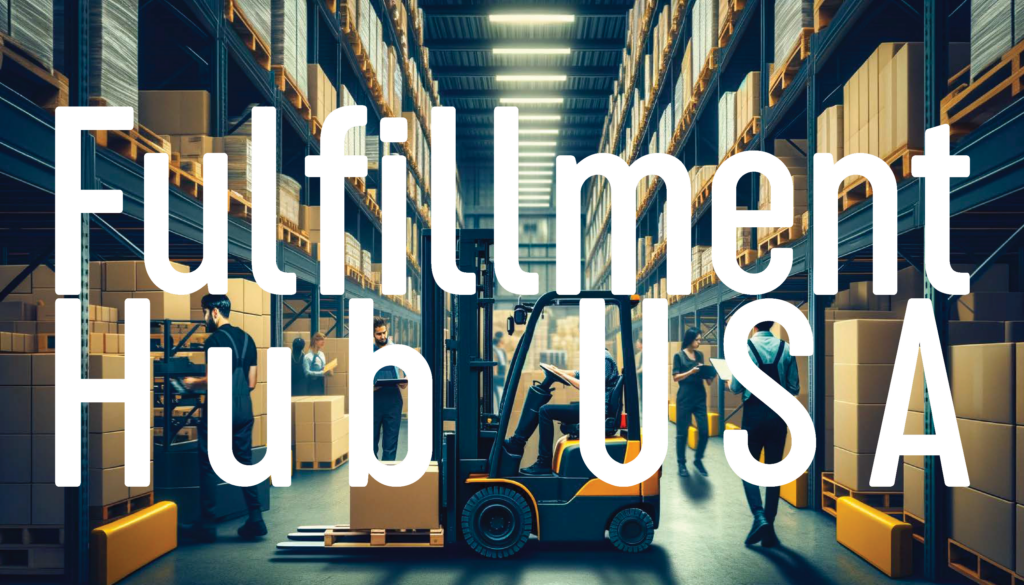
E-commerce is rapidly changing, and so are sustainability practices. Businesses must demonstrate commitment to the environment. Fulfillment Hub USA (FHU) utilizes data to verify and enhance its sustainability practices effectively. This article explores how FHU ensures eco-friendly methods while serving its clients in the United States.
Key takeaways
- FHU leverages data analytics to track sustainability measures.
- Transparent assessments help build trust with clients.
- Data-driven practices improve operational efficiency and reduce waste.
- Regular audits ensure adherence to environmental standards.
- Collaboration with green partners further supports sustainability goals.
Table of contents
- Understanding Sustainability in E-commerce
- How FHU Uses Data for Verification
- Data Tracking Methods
- Key Metrics and Standards
- Benefits of Data-Driven Sustainability
- Latest Developments in Sustainability Practices
- FAQ
- Conclusion
Understanding Sustainability in E-commerce
Sustainability in e-commerce involves practices that minimize environmental impact. It includes reducing carbon footprints, managing waste, and using sustainable resources. Companies that adopt sustainable practices not only protect the environment, but they also appeal to eco-conscious consumers.
For example, a growing number of consumers prefer brands that show commitment to sustainability. As a result, e-commerce companies must adapt to these expectations. FHU recognizes this need and integrates sustainable practices throughout its logistics operations.
In short: Sustainability is critical for e-commerce, driven by consumer demand for eco-friendly practices.
How FHU Uses Data for Verification
Data Tracking Methods
Fulfillment Hub USA employs advanced data tracking systems to measure sustainability efforts. These systems provide real-time insights into energy consumption, packaging materials, and waste management. FHU uses IoT sensors, software dashboards, and manual surveys to gather necessary data.
By analyzing this information, FHU identifies areas for improvement. For instance, it can assess the efficiency of transportation routes or evaluate the use of sustainable packaging materials.
In short: Data tracking helps FHU identify and enhance sustainability efforts.
Key Metrics and Standards
Fulfillment Hub USA adopts various metrics to ensure its practices meet sustainability standards. These metrics include carbon emissions per shipment, the percentage of recyclable materials used, and energy consumption rates. FHU follows industry standards like the Global Reporting Initiative (GRI) for transparent reporting.
Regular reviews of performance against these metrics drive continuous improvement. By adhering to recognized sustainability standards, FHU maintains credibility in the market.
In short: Metrics and standards keep FHU accountable to sustainability commitments.
Benefits of Data-Driven Sustainability
Using data to verify sustainability practices offers numerous benefits. FHU’s clients can trust that their products are part of an environmentally responsible supply chain. Improved efficiency through data insights also leads to cost savings. Lower energy consumption and optimized logistics reduce operational costs while benefiting the environment.
Moreover, FHU’s commitment to sustainability can be a powerful marketing tool. Clients who prioritize eco-friendly practices can enhance their brand image, attracting more consumers.
In short: Data-driven sustainability offers credibility, cost savings, and marketing advantages.
Latest Developments in Sustainability Practices
- August 2023: FHU introduced new software tools for tracking carbon emissions.
- June 2023: The company completed a sustainability audit that reported 20% waste reduction over the last year.
- April 2023: FHU partnered with eco-friendly packaging suppliers to enhance its recyclable materials use.
These developments illustrate FHU’s proactive approach to enhancing sustainability practices through data.
FAQ
What sustainability practices does FHU implement?
FHU focuses on reducing waste, using sustainable packaging, and optimizing logistics for lower emissions.
How is data collected at FHU?
Data is collected through IoT sensors, software dashboards, and manual reports to track sustainability metrics.
What are the benefits of sustainable practices for clients?
Clients can enhance their brand reputation, reduce costs, and attract eco-conscious consumers by aligning with sustainable practices.
How often does FHU review its sustainability practices?
FHU conducts regular audits and reviews to ensure ongoing compliance with sustainability standards.
Conclusion
Fulfillment Hub USA is committed to sustainability through innovative data practices. By tracking metrics and optimizing operations, FHU ensures its logistics are environmentally responsible. To enhance your own sustainability practices in e-commerce fulfillment, consider partnering with Fulfillment Hub USA. Schedule a quick call with FHU to get a tailored plan today.
- “Sustainability in E-commerce: Trends and Strategies.” The Green Business Journal. Published February 2023.
- “Data-Driven Sustainability: The Future of E-Commerce.” Environmental Reporting Council. Published March 2023.
- “Global Reporting Initiative: A Guide to the Standards.” GRI. Published April 2023.