
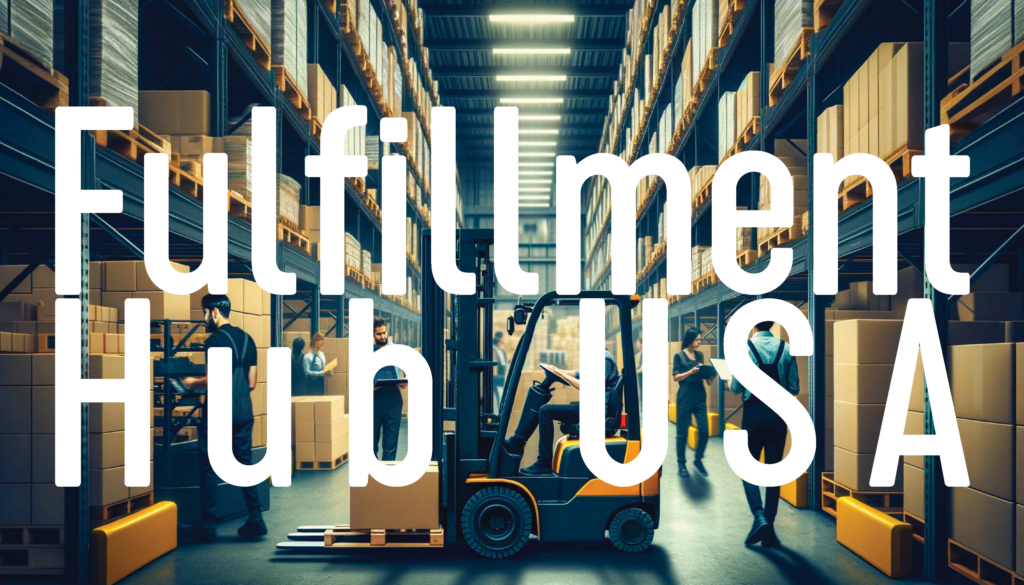
The electronics industry faces increasing challenges in fulfilling customer demands effectively and efficiently. In a world where consumers expect fast delivery and personalized service, traditional fulfillment methods often fall short. However, recent advancements in technology, including automation, artificial intelligence, and data analytics, are transforming how electronics fulfillment operates. This article explores how these innovations enhance efficiency, accuracy, and customer satisfaction, and highlights recent developments that are shaping the future of electronics fulfillment.
Key Takeaways
- Automation streamlines warehouse operations and reduces human error.
- AI-driven analytics enable better inventory management and demand forecasting.
- Advanced shipping technologies improve delivery times and tracking.
- Robotics enhance picking efficiency and warehouse safety.
- The rise of omnichannel fulfillment meets diverse customer needs.
Table of Contents
- The Role of Automation in Electronics Fulfillment
- Artificial Intelligence in Inventory Management
- Shipping Technologies Revolutionizing Delivery
- The Impact of Robotics on Warehouse Operations
- Omnichannel Fulfillment and Its Advantages
- Latest Developments
- FAQ
- Conclusion
The Role of Automation in Electronics Fulfillment
Automation plays a crucial role in modern electronics fulfillment. By automating repetitive tasks, companies can significantly reduce labor costs and minimize human error. For example, automated sorting systems quickly categorize and route products, enhancing overall efficiency.
Benefits of Automation
- Increases speed of order processing.
- Reduces labor costs.
- Improves accuracy in order fulfillment.
In short, automation is a key driver of efficiency in electronics fulfillment operations.
Artificial Intelligence in Inventory Management
Artificial intelligence (AI) has transformed inventory management in the electronics sector. Through real-time data analysis, AI can predict demand and optimize stock levels. This leads to more effective inventory control and reduces the risk of overstocking or stockouts.
AI-Driven Inventory Practices
- Predictive Analytics: Helps in forecasting trends and consumer demands.
- Dynamic Replenishment: Adjusts inventory levels based on current sales patterns.
- Improved Visibility: Provides real-time insights into inventory status.
In short, AI enhances decision-making, leading to better inventory management.
Shipping Technologies Revolutionizing Delivery
Technology is also revolutionizing shipping practices. Innovations such as drones and automated delivery vehicles are making it possible to achieve faster delivery times. Companies are using advanced tracking systems to provide customers with real-time updates on their orders.
Modern Shipping Innovations
- Drones: Deliver small packages quickly, especially in urban areas.
- Automated Vehicles: Facilitate faster delivery without human drivers.
- Smart Tracking Systems: Enable precise updates and customer notifications.
In short, shipping innovations are crucial for improving the fulfillment experience in the electronics sector.
The Impact of Robotics on Warehouse Operations
Robotic systems are increasingly used in warehouses, where they assist in tasks such as picking and packing. These robots work alongside human employees, enhancing productivity and safety by reducing the physical strain on workers.
Advantages of Robotics
- Increases picking speed and accuracy.
- Reduces workplace injuries.
- Optimizes space utilization in warehouses.
In short, robotics are fundamental to modernizing warehouse operations in electronics fulfillment.
Omnichannel Fulfillment and Its Advantages
Omnichannel fulfillment is increasingly important as consumers use multiple channels for shopping. This approach allows businesses to offer more flexible fulfillment options, such as buy online, pick up in-store, or ship to home.
Benefits of Omnichannel Fulfillment
- Meets diverse customer preferences.
- Increases customer satisfaction and loyalty.
- Streamlines inventory management across channels.
In short, omnichannel fulfillment enhances the overall customer experience and operational efficiency.
Latest Developments
In a recent update from January 2025, companies like Amazon are expanding their capabilities by investing in AI-powered robots that can pick and pack electronics more quickly. Additionally, the use of blockchain technology is being explored to ensure transparency and traceability in the supply chain.
FAQ
Q: How does automation affect fulfillment efficiency?
A: Automation streamlines operations, reduces human error, and speeds up order processing.
Q: What role does AI play in demand forecasting?
A: AI analyzes data to predict consumer demand, aiding in inventory management.
Q: Are drones commonly used for delivery in electronics fulfillment?
A: Yes, drones are being tested for quick delivery, especially in urban locations.
Q: What are the advantages of omnichannel fulfillment?
A: It allows customers to choose their preferred shopping method, enhancing satisfaction.
Conclusion
Technology is fundamentally changing electronics fulfillment. Automation, AI, shipping technologies, and robotics enhance efficiency, accuracy, and customer satisfaction. As companies continue to innovate, staying informed on these advances will be vital. For businesses, integrating these technologies is a clear next step towards improved fulfillment strategies.
- “How AI is Transforming Inventory Management,” Supply Chain Management Review, January 2025.
- “The Role of Robotics in Modern Warehousing,” Robotics & Automation News, February 2025.Link
- “Exploring Omnichannel Fulfillment Strategies,” Digital Commerce 360, March 2025.Link
- “Amazon’s Innovations in Robotics for Fulfillment Centers,” TechCrunch, January 2025.