
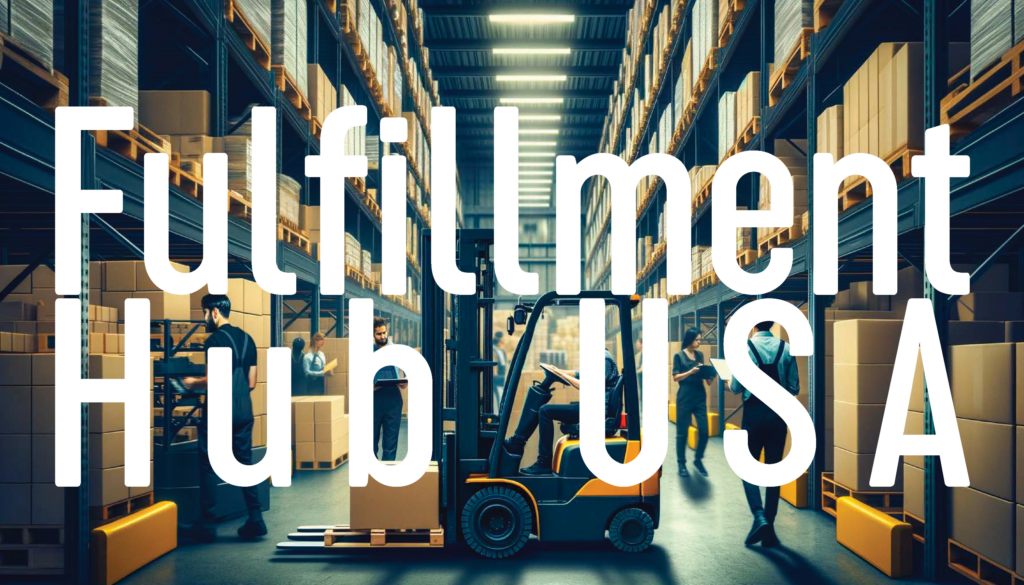
In today’s competitive food and beverage industry, managing fulfillment costs is essential for success. Rising costs for ingredients, labor, and logistics can quickly eat into profit margins. However, strategic approaches can help reduce these expenses. This article discusses practical strategies to minimize fulfillment costs while ensuring quality and customer satisfaction. Recent developments in logistics technology and inventory management also provide new avenues for savings.
Key Takeaways
- Implement inventory management software to reduce waste.
- Explore outsourcing fulfillment to save on overhead costs.
- Invest in automation for order processing efficiency.
- Negotiate better rates with shipping carriers.
- Streamline your supply chain for quicker delivery times.
- Regularly analyze data to identify cost-saving opportunities.
Table of Contents
- Understanding Fulfillment Costs
- Inventory Management Techniques
- Leveraging Technology for Cost Reduction
- Outsourcing Fulfillment
- Supply Chain Optimization
- FAQs
- Conclusion
- External Sources
Understanding Fulfillment Costs
Fulfillment costs encompass all expenses related to storing, managing, and shipping food and beverage products. These costs can include warehousing, packaging, labor, and shipping. In 2025, industry reports indicate that logistics can account for up to 15% of total expenses in the food and beverage sector, making it a prime focus for cost reduction.
Definition of Fulfillment Costs
Fulfillment costs refer to the total expenses incurred in getting a product from the supplier to the customer. This includes storage, labor for assembling orders, packaging, and the shipping process.
Example:A restaurant supply company may calculate fulfillment costs as the sum of picking, packing, and shipping expenses for all customer orders processed in a month.
In short: Understanding the scope of fulfillment costs can help businesses identify where savings can be made.
Inventory Management Techniques
Efficient inventory management is crucial for reducing waste and costs. By accurately tracking stock levels, businesses can minimize spoilage and avoid overstocking items that may not sell.
Steps to Improve Inventory Management
- Track Inventory Levels: Use inventory management software to monitor stock levels in real time.
- Set Reorder Points: Automatically reorder items when they reach a certain level to prevent stockouts.
- FIFO Method: Implement First In, First Out to use older stock first, reducing waste.
- Regular Audits: Conduct regular inventory audits to identify discrepancies and issues.
- Demand Forecasting: Use historical sales data to predict future demand accurately.
In short: Efficient inventory management minimizes waste and reduces excess costs associated with unsold goods.
Leveraging Technology for Cost Reduction
Technology plays a pivotal role in reducing fulfillment costs. Tools like automated order processing and smart warehousing can enhance efficiency.
Innovative Technology Solutions
- Automated Warehousing: Employ robots for picking and packing tasks to reduce labor costs.
- Order Management Software: Integrate systems to streamline the order processing workflow.
- Data Analytics: Use data analytics to assess delivery routes and optimize fuel consumption.
Latest developments (as of March 2025): New software releases in inventory management allow for predictive analytics, which can significantly reduce carrying costs by improving stock turnover rates.
In short: Leveraging technology helps streamline processes and cut labor bottlenecks.
Outsourcing Fulfillment
Outsourcing fulfillment to specialized logistics providers can free up internal resources and cut costs. Third-party logistics (3PL) companies often offer better rates due to their scale and expertise.
Pros and Cons of Outsourcing
| Pros | Cons |
|---|---|
| Lower transportation costs | Loss of some control |
| Access to advanced technology | Possible hidden fees |
| Scalable solutions | Risk of service discrepancies |
In short: Weighing the pros and cons of outsourcing can lead to significant savings.
Supply Chain Optimization
Analyzing the supply chain can reveal areas where costs can be reduced.
Steps to Optimize Your Supply Chain
- Vendor Negotiation: Regularly negotiate terms with suppliers and logistics partners.
- Reduce Lead Times: Work with suppliers to minimize lead times in receiving inventory.
- Local Sourcing: Consider local suppliers to cut down on shipping distances and costs.
In short: Optimizing the supply chain allows businesses to save significantly on operational costs.
FAQs
What are the primary components of fulfillment costs?
Fulfillment costs primarily include warehousing, packaging, labor, and shipping expenses.
How can technology improve fulfillment efficiency?
Technology enhances fulfillment efficiency through automation, real-time data analytics, and better inventory management.
Is outsourcing always more cost-effective?
Not necessarily. While outsourcing can reduce costs, it depends on the provider’s efficiency and the specific needs of your business.
What role does demand forecasting play in reducing costs?
Demand forecasting helps businesses align their inventory levels with customer demand, reducing waste and storage costs.
Conclusion
Reducing costs in food and beverage fulfillment is a multifaceted process that requires careful planning and implementation of strategies such as effective inventory management, leveraging technology, and optimizing the supply chain. To take the next step, consider using fulfillment services to lower your operating costs while enhancing customer satisfaction.
- “The State of Logistics 2025” –
- “New Trends in Inventory Management” –
- “Cost Reduction Strategies in Food Services” –Food Industry Executive