
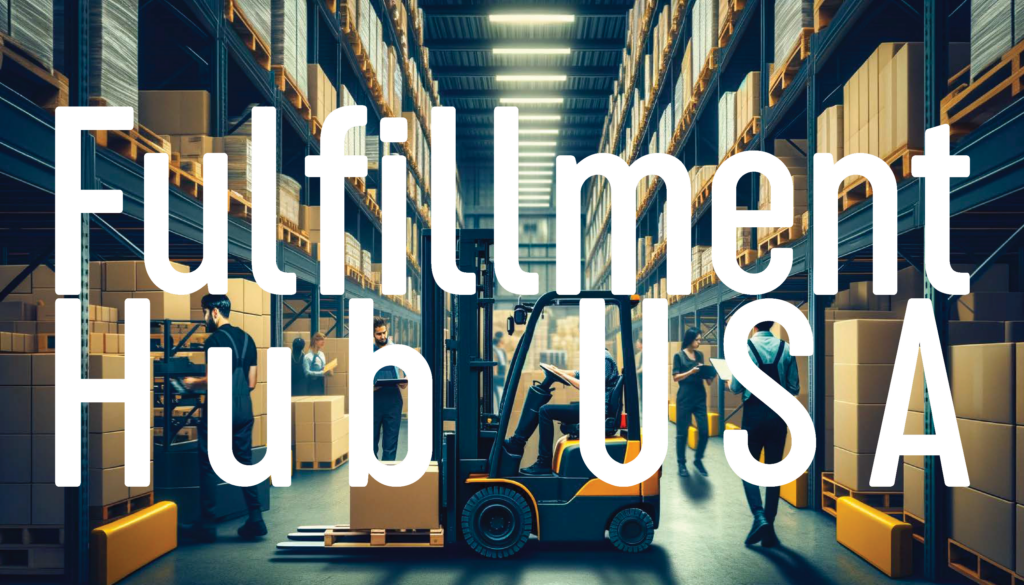
As demand for electronics grows, streamlining fulfillment processes becomes critical for success. Companies face challenges like managing inventory, ensuring timely deliveries, and meeting consumer expectations. Implementing best practices can enhance efficiency and improve customer satisfaction. Recent trends and technology developments make it essential to stay updated and adjust strategies accordingly. This article explores proven methods to streamline electronics fulfillment, helping businesses navigate today’s dynamic market landscape.
Key Takeaways
- Efficient inventory management reduces costs and improves order accuracy.
- Automation in fulfillment increases speed and reduces human error.
- Real-time tracking enhances customer satisfaction and trust.
- Adopting green practices can improve brand image and efficiency.
- Data analytics is crucial for optimizing supply chain management.
- Collaboration with logistics partners boosts overall fulfillment effectiveness.
Table of Contents
- Understanding Electronics Fulfillment
- Best Practices for Streamlining Fulfillment
- Latest Developments
- Conclusion
- FAQ
Understanding Electronics Fulfillment
Electronics fulfillment includes processes from order placement to delivery. It involves inventory management, order processing, packaging, and shipping. Given the rapid pace of technological advances and consumer expectations, companies must adapt quickly. The ability to provide fast, accurate, and reliable fulfillment can set a business apart from competitors.
In short: Efficient fulfillment systems are vital for electronics businesses aiming to improve customer satisfaction and operational efficiency.
Best Practices for Streamlining Fulfillment
Inventory Management
Effective inventory management is vital. Businesses should regularly audit their stock to avoid overstocking or stockouts. Utilizing software tools can help track inventory levels in real time.
- Steps for Optimizing Inventory Management:
- Implement an inventory management system (IMS) for real-time tracking.
- Categorize products based on demand to focus on high-turn items.
- Set reorder alerts to avoid stockouts.
- Perform cycle counting to keep track of inventory levels.
In short: Proper inventory management reduces costs and enhances fulfillment speed.
Automation and Technology
Automation can significantly improve fulfillment processes. Technologies such as conveyor systems, robotic pickers, and packaging machines can increase efficiency.
Benefits of automation include:
-
Reducing labor costs.
-
Minimizing errors in order processing.
-
Speeding up shipping times.
-
Example of Automation Impact:
A leading electronics retailer implemented automated sorting systems and reported a 30% increase in fulfillment speed, alongside reduced labor costs.
In short: Automation maximizes productivity and accuracy in the fulfillment process.
Real-Time Order Tracking
Real-time tracking technology allows customers to monitor their order status at every stage. Providing tracking information enhances transparency and builds consumer trust.
- Advantages of Real-Time Tracking:
- Increases customer satisfaction by keeping them informed.
- Reduces customer service inquiries about order status.
- Sharpens the company’s responsiveness to delivery issues.
In short: Real-time tracking is essential for maintaining customer relationships.
Sustainable Practices
With growing environmental awareness, sustainable practices in fulfillment can improve brand image. Eco-friendly packaging and optimized shipping routes reduce carbon footprints, making operations more efficient.
- Strategies to Incorporate Sustainability:
- Use recyclable packaging materials.
- Optimize delivery routes to minimize transportation emissions.
- Invest in energy-efficient storage and distribution facilities.
In short: Sustainability enhances reputation while streamlining operations.
Latest Developments
Recent Trends (October 2023)
In October 2023, many electronics companies began adopting AI-driven analytics for better supply chain management. Leading firms reported up to a 20% decrease in fulfillment times through enhanced demand forecasting. This trend showcases the critical role of technology in streamlining operations.
Conclusion
To thrive in the electronics market, businesses must adopt best practices for fulfillment. Efficient inventory management, automation, real-time tracking, and sustainable practices are crucial. By doing so, companies can enhance their operations and meet consumer demands effectively. Take the first step by evaluating your current fulfillment process and identifying areas for improvement.
FAQ
Q: What is electronics fulfillment?
A: Electronics fulfillment involves processes from receiving orders to delivering products, including inventory management, packaging, and shipping.
Q: How can I improve my inventory management?
A: Utilize inventory management software, regularly audit stock levels, and categorize products by demand.
Q: Why is automation important in fulfillment?
A: Automation reduces errors, speeds up processing times, and lowers labor costs, enhancing overall efficiency.
Q: What are sustainable practices in fulfillment?
A: Sustainable practices include using eco-friendly packaging, optimizing delivery routes, and employing energy-efficient operations to minimize environmental impact.
Q: How does real-time tracking improve customer experience?
A: Real-time tracking provides customers with up-to-date information about their orders, increasing satisfaction and reducing service inquiries.
External Sources
- Electronics Fulfillment Trends in 2023. Retrieved from Fulfillment Insights
- The Future of Inventory Management in Electronics. Retrieved from Tech Supply Chain
- Automation in Warehousing: Best Practices. Retrieved from Automation Weekly
For more information on fulfillment solutions, visit Fulfillment Hub USA, your partner for seamless e-commerce fulfillment services.