
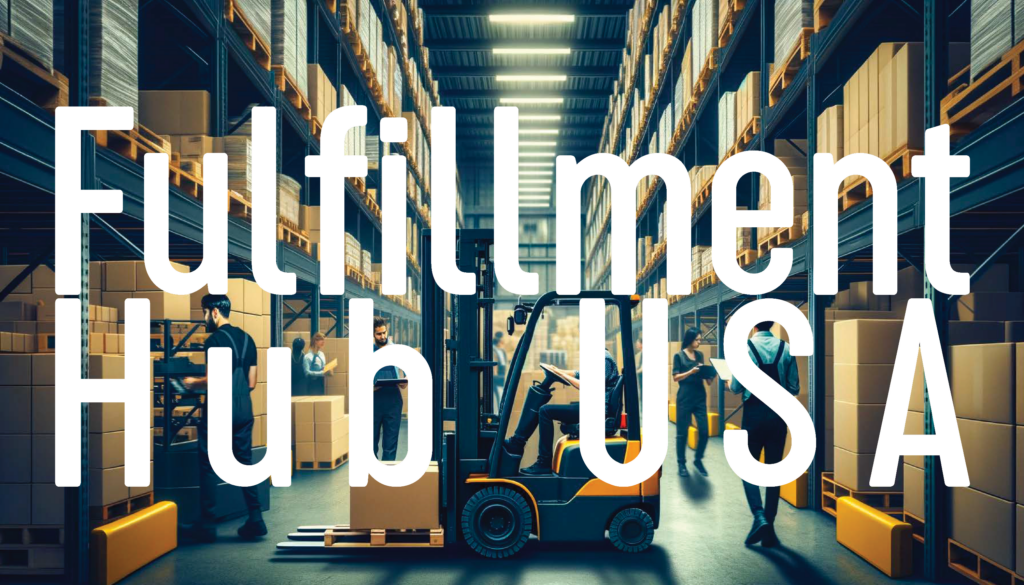
As e-commerce grows, fulfillment centers—especially in California—are becoming vital components within the global supply chain. California’s strategic location on the West Coast makes it a prime gateway for international trade, allowing companies to efficiently distribute products across the United States and beyond. Recent developments in logistics and technological advancements have further enhanced the importance of California’s fulfillment centers. This article explores their critical role, recent trends, and how businesses can leverage these facilities to remain competitive.
Key Takeaways
- California’s fulfillment centers are crucial for U.S. e-commerce.
- They offer fast shipping options, enhancing customer satisfaction.
- Advanced technology improves efficiency and accuracy in operations.
- The state’s infrastructure supports international shipping logistics.
- Businesses can reduce shipping costs by utilizing local fulfillment centers.
Table of Contents
- Understanding Fulfillment Centers
- California’s Unique Advantages
- Recent Developments
- Benefits for E-Commerce Businesses
- Challenges and Solutions
- FAQs
- Conclusion
Understanding Fulfillment Centers
Fulfillment centers are warehouses that manage inventory and facilitate the distribution of products. They streamline order processing from the moment a customer places an order until it is shipped.
Example
For instance, a small online retailer can store its goods in a fulfillment center. When an order comes in, the center picks, packs, and ships the items directly to consumers.
In short: Fulfillment centers simplify the logistics of shipping and improve order management.
California’s Unique Advantages
California provides advantages unmatched by other states. Its geographic location allows for easy access to ports and highways, which support the import and export of goods.
Strategic Access Points
- Ports:Major ports like Los Angeles and Oakland handle a large volume of international shipping, reducing transit times.
- Infrastructure:An extensive transportation network ensures quick delivery to various U.S. regions.
In short: California’s infrastructure plays a pivotal role in efficient fulfillment operations.
Recent Developments
Recent trends in the fulfillment industry highlight California’s adaptability. Companies are increasingly adopting technology to enhance efficiency and reduce costs.
Examples of Technological Advancements
- Automation:Many fulfillment centers now utilize robots for picking and packing, speeding up processes and reducing errors.
- Data Analytics:Advanced analytics help forecast inventory needs and optimize supply chains.
Latest developments:As of February 2025, major companies in California have reported increased investments in AI-driven logistics solutions to meet rising e-commerce demands.
In short: Technological advancements are enhancing fulfillment capabilities in California.
Benefits for E-Commerce Businesses
Utilizing California’s fulfillment centers offers businesses numerous advantages that can bolster their market position.
Benefits
- Speed:Quick shipping options enable businesses to meet consumer expectations.
- Cost-Effectiveness:Local fulfillment can lower shipping costs, especially for west coast-based customers.
- Scalability:Businesses can easily scale operations up or down based on demand trends.
- Customer Satisfaction:Fast and reliable shipping leads to improved customer experiences.
In short: Leveraging California fulfillment centers can significantly enhance business operations.
Challenges and Solutions
While California’s fulfillment centers offer many advantages, challenges do exist.
Common Challenges
- High Operating Costs:Real estate and labor costs in California are higher than in many other states.
- Supply Chain Disruptions:Global events can impact logistics and inventory management.
Potential Solutions
- Cost Management Strategies:Companies may negotiate contracts with fulfillment partners to reduce overhead.
- Diversification of Suppliers:Reducing reliance on a single supplier can help mitigate risks.
In short: Businesses must remain agile to navigate challenges in the fulfillment landscape.
FAQs
What are fulfillment centers?
Fulfillment centers are warehouses that store products and handle order processing for e-commerce businesses.
How do California fulfillment centers impact shipping time?
Their strategic location allows for quick shipping within the U.S. and to international destinations, improving overall delivery times.
Are fulfillment centers only for large businesses?
No, fulfillment centers cater to businesses of all sizes, including startups and small retailers.
How can I choose a fulfillment center?
Consider factors like location, technology, costs, and service quality when selecting a fulfillment partner.
Conclusion
California’s fulfillment centers play a crucial role in the global marketplace, providing e-commerce businesses with essential logistics solutions. Companies can leverage their advantages to enhance speed, reduce costs, and improve customer satisfaction. As the logistics landscape continues to evolve, staying informed about trends will be vital for business success.
- “California’s Logistics Industry: An Overview” – California Department of Transportation, March 2025.Link
- “E-Commerce and its Impact on Fulfillment in California” – Logistics Management, April 2025.Link
- “The Future of Fulfillment Centers in E-Commerce” – Supply Chain Dive, January 2025.
- “Investment in Technology: The Key to Future Fulfillment” – Modern Materials Handling, February 2025.Link