
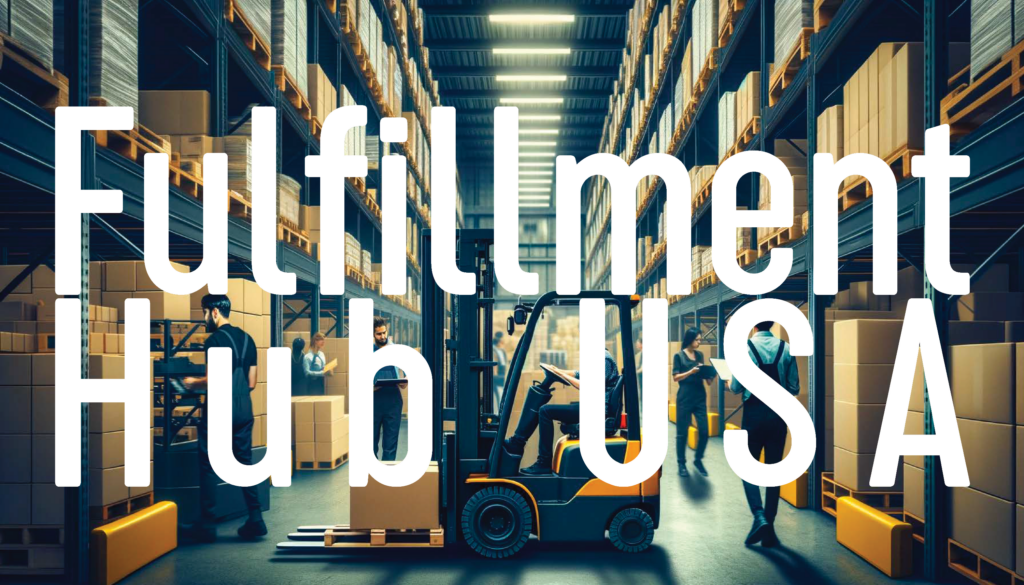
In today’s global marketplace, cross-border fulfillment is vital for businesses looking to expand their reach. However, logistics challenges can arise, making it essential for companies to understand the crucial role of warehousing. Recent developments indicate that efficient warehousing strategies are becoming increasingly important due to shifts in consumer behavior and advances in technology. This article explores how warehousing impacts cross-border fulfillment and highlights best practices for managing these operations effectively.
Key Takeaways
- Effective warehousing boosts efficiency in cross-border shipping.
- Location is key for reducing shipping times and costs.
- Technology improves inventory management and customer satisfaction.
- Compliance with regulations minimizes risks during shipping.
- Sustainable practices enhance brand reputation and operational cost savings.
Table of Contents
- Understanding Cross-Border Fulfillment
- The Importance of Warehousing
- Recent Developments in Warehousing Strategies
- Best Practices for Cross-Border Warehousing
- Frequently Asked Questions
- Conclusion
Understanding Cross-Border Fulfillment
Cross-border fulfillment refers to the processes involved in delivering products from one country to customers in another. This includes everything from order processing to shipping and returns. With the rise of e-commerce, companies are increasingly navigating international borders to meet consumer demand.
In short: Cross-border fulfillment is key for international sales.
The Importance of Warehousing
Warehousing plays a pivotal role in cross-border fulfillment. Warehouses serve as storage facilities where goods are kept before they are shipped to their final destination.
Definition
A warehouse is a large building designed for storing goods. For example, companies may use warehouses to hold products closer to their target markets, reducing delivery times.
Example
A U.S.-based company selling electronics could establish a warehouse in Canada to facilitate faster deliveries to Canadian customers.
In short: Warehouses reduce shipping times and improve service.
Recent Developments in Warehousing Strategies
Recent advancements have significantly influenced warehousing strategies in cross-border fulfillment. Notably, the adoption of automation and AI technologies has streamlined operations and inventory management. Companies are now able to analyze data in real-time, leading to more informed decisions about stock levels and order processing.
Latest Developments
As of December 2025, many businesses are re-evaluating their warehousing strategies due to increasing consumer expectations for fast shipping. Companies are investing in regional warehouses to cater to these demands effectively.
In short: Innovative technologies are reshaping warehousing operations.
Best Practices for Cross-Border Warehousing
To optimize warehousing for cross-border fulfillment, businesses should adopt certain best practices:
-
Choose Strategic Locations: Place warehouses near major shipping routes and target markets to minimize delivery times.
-
Invest in Automation: Use automated systems to enhance inventory management, picking, and shipping processes.
-
Ensure Compliance: Stay updated on customs regulations and import/export laws to avoid delays and penalties.
-
Implement Real-time Tracking: Provide customers with tracking information to improve transparency and satisfaction.
-
Focus on Sustainability: Adopt green practices to enhance efficiency and reduce operational costs.
-
Train Staff Regularly: Keep warehouse staff informed about new technologies and procedures to ensure smooth operations.
In short: Implementing best practices enhances efficiency and customer satisfaction.
Frequently Asked Questions
What are the benefits of using regional warehouses for cross-border fulfillment?
Regional warehouses shorten delivery times and reduce shipping costs by placing products closer to customers.
How can technology improve warehousing processes?
Technology, including AI and automation, can enhance inventory tracking, reduce errors, and optimize order fulfillment speed.
What challenges do businesses face in cross-border fulfillment?
Common challenges include navigating customs regulations, managing shipping costs, and balancing inventory between markets.
How important is compliance in cross-border warehousing?
Compliance is crucial to avoid penalties and shipping delays. It ensures that all goods meet local regulations and standards.
What role does customer service play in cross-border fulfillment?
Good customer service enhances the shopping experience, providing timely updates and resolving issues quickly to retain customers.
Conclusion
The role of warehousing in cross-border fulfillment is central to meeting the demands of the global market. By understanding its importance, adopting recent strategies, and implementing best practices, businesses can thrive in this competitive environment. Companies looking to improve their fulfillment processes should consider positioning warehouses strategically, embracing technology, and maintaining compliance as pivotal components of their logistics strategy.
- “Cross-Border E-commerce: Opportunities and Challenges.” World Trade Organization, 2025.WTO
- “How Automation is Transforming Warehousing.” Logistics Management, October 2025.
- “Navigating Customs Regulations for E-commerce.” U.S. Customs and Border Protection, January 2025.CBP
For more information on fulfillment solutions, check out Fulfillment Hub USA, our e-commerce fulfillment services, and our U.S. warehouse locations.