
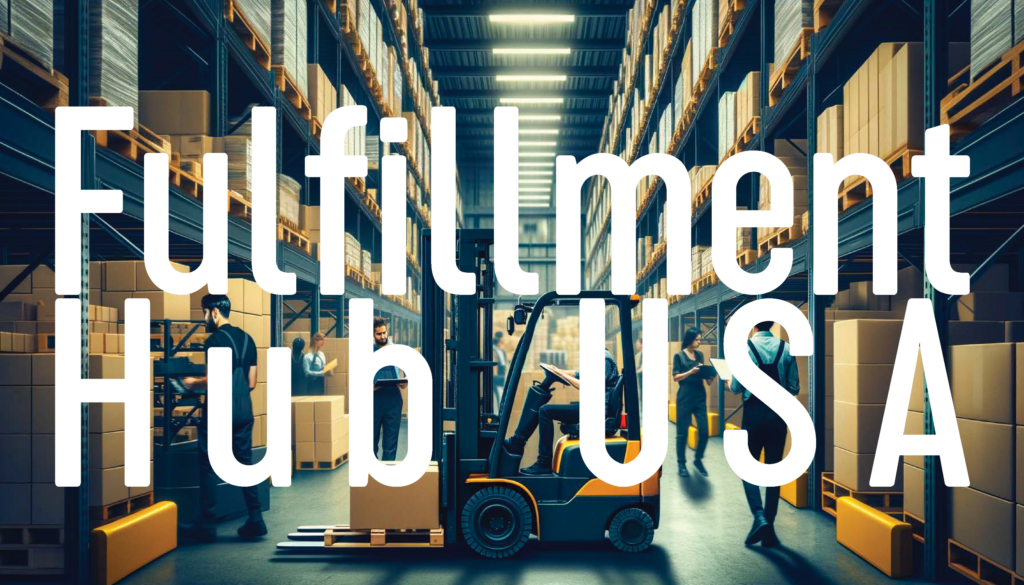
Wholesale fulfilment has emerged as a powerful strategy for businesses seeking efficiency and cost-effectiveness. As more companies pivot towards online sales, adopting an effective fulfilment model has never been more critical. Recent trends show that businesses leveraging wholesale fulfilment could enhance their supply chain’s agility and responsiveness. Understanding how this can benefit your organization will help position you ahead in a competitive market.
Key Takeaways
- Reduces inventory costs and storage needs.
- Enhances shipping efficiency and delivery speed.
- Improves flexibility to adapt to market changes.
- Strengthens relationships with suppliers and retailers.
- Provides access to scalable logistical solutions.
Table of Contents
- What is Wholesale Fulfilment?
- Key Benefits of Wholesale Fulfilment
- How to Implement Wholesale Fulfilment
- Latest Developments
- FAQs
- Conclusion
What is Wholesale Fulfilment?
Wholesale fulfilment refers to the process of storing, packaging, and shipping products in bulk to retail partners or directly to consumers. This model allows businesses to focus on their core operations while outsourcing the logistical complexities to specialised providers.
Example:A clothing brand may partner with a fulfilment centre that manages inventory and shipping, enabling the brand to concentrate on marketing and sales.
In short: Wholesale fulfilment simplifies logistics for businesses, allowing them to operate more efficiently.
Key Benefits of Wholesale Fulfilment
1. Cost Efficiency
One of the most significant advantages is the reduction in inventory holding costs. Wholesale fulfilment centers often have better purchasing power and can negotiate lower rates for shipping and storage.
Example:By working with a fulfilment centre, businesses can save up to 30% on shipping compared to managing logistics in-house.
In short: Cost savings from wholesale fulfilment can significantly improve your bottom line.
2. Improved Delivery Speed
Availability of regional fulfilment centres can decrease shipping times. With products stored closer to end customers, businesses can offer faster delivery options, an essential factor in customer satisfaction.
3. Increased Flexibility
Wholesale fulfilment allows businesses to adapt quickly to market trends. Companies can scale operations up or down based on demand without massive capital investments.
Mini Case:A tech startup that introduces a popular gadget can quickly increase fulfilment rates as demand spikes, without affecting overall operations.
In short: Flexibility in fulfilment leads to responsiveness and better customer relationships.
4. Strengthened Supplier Relationships
Collaborating with fulfilment partners can foster better relationships with suppliers, leading to improved negotiation terms and collaborative opportunities.
5. Access to Advanced Technology
Wholesale fulfilment providers often use innovative technology for inventory management, tracking shipments, and customer service, which can be costly for businesses to implement independently.
In short: Leveraging technology through a fulfilment partner enhances operational effectiveness.
How to Implement Wholesale Fulfilment
- Assess Your Needs:Identify product categories, volume of goods, and specific logistics needs.
- Research Fulfilment Partners:Look for reputable companies that specialize in your industry.
- Evaluate Technology Offerings:Ensure the partner uses compatible technology for seamless integration.
- Define Communication Strategies:Establish how you’ll communicate with your partners.
- Start with a Trial:Test the fulfilment service with a limited product range before a full-scale rollout.
In short: A careful selection and implementation process can maximize the benefits of wholesale fulfilment.
Latest Developments
As of April 2025, recent industry reports highlight the growing trend of AI-driven fulfilment solutions. Providers are integrating artificial intelligence to optimize inventory management and enhance delivery predictions, thus further improving service efficiency. Staying updated on these technologies is vital for businesses considering wholesale fulfilment.
FAQs
What types of businesses benefit most from wholesale fulfilment?
Wholesale fulfilment is ideal for retailers, e-commerce platforms, and brands that deal in high-volume sales.
How do I choose a reliable fulfilment partner?
Consider factors like experience, technology, scalability, and customer service reputation when choosing a fulfilment provider.
Can I switch fulfilment partners easily?
Switching partners may take some time due to integration needs, but many companies offer support for a smooth transition.
What costs are associated with wholesale fulfilment?
Costs can include storage fees, shipping costs, and packaged service fees from the fulfilment provider.
Does wholesale fulfilment improve customer satisfaction?
Yes, faster delivery times and reliable service can significantly enhance customer experience and satisfaction.
Conclusion
Wholesale fulfilment offers multiple benefits, including cost savings, faster shipping, and operational flexibility. Businesses that adopt this approach can significantly enhance their competitive edge. To explore this further, consider reaching out to a fulfilment partner to tailor solutions that meet your specific needs.