
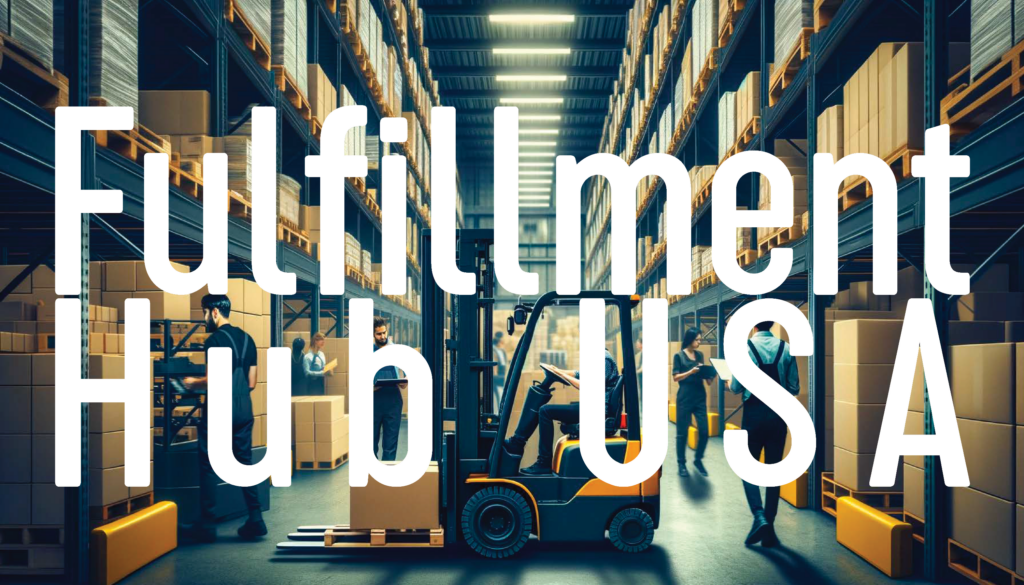
In the bustling landscape of Los Angeles, fulfillment centers play a critical role in the e-commerce supply chain. With the rise of online shopping, understanding how these facilities operate is essential for businesses aiming to succeed in today’s market. This article explores the inner workings of fulfillment centers in LA, recent developments in the industry, and how innovations are shaping the future of logistics.
Key Takeaways
- Fulfillment centers streamline order processing and delivery.
- Technology is crucial for efficiency and accuracy.
- LA’s geographic location enhances shipping capabilities.
- Sustainable practices are gaining traction in operations.
- Workforce management is vital for meeting high demand.
- Embracing automation can reduce operational costs.
Table of Contents
- What is a Fulfillment Center?
- Operations in LA Fulfillment Centers
- Recent Developments in the Industry
- Challenges Facing Fulfillment Centers
- The Future of Fulfillment Centers in LA
- FAQs
- Conclusion
What is a Fulfillment Center?
Fulfillment centers are specialized warehouses that handle the distribution of products for e-commerce businesses. They receive, store, pick, pack, and ship orders directly to customers. These centers are designed to optimize logistics and improve delivery speeds.
Example:A popular online retailer may use a fulfillment center to manage orders, allowing them to reach customers within a day or two, depending on the geographical location.
In short: Fulfillment centers are crucial hubs for e-commerce logistics.
Operations in LA Fulfillment Centers
Fulfillment centers in Los Angeles benefit from the city’s strategic location. With proximity to major shipping routes and a vast transportation network, these centers are able to handle large volumes of orders efficiently.
Infrastructure and Technology
Modern fulfillment centers use advanced technologies, such as:
- Automated picking systemsthat use robots to speed up order fulfillment.
- Inventory management softwarethat tracks stock levels in real time.
- Data analyticsto optimize routes and delivery times.
These technologies not only enhance speed but also reduce errors significantly.
In short: LA fulfillment centers leverage technology for efficient operations.
Recent Developments in the Industry
The fulfillment industry is constantly evolving. Recently, there has been a shift towards sustainability and eco-friendly practices. Many centers are adopting renewable energy sources and implementing programs to reduce waste.
Latest Developments
As of February 2025, a notable trend is the increase in automation within LA fulfillment centers. Companies are investing in robotic systems to improve order accuracy and reduce labor costs. This is particularly important as demand for quick deliveries grows.
In short: Automation is transforming fulfillment operations in LA.
Challenges Facing Fulfillment Centers
Despite advancements, fulfillment centers face several challenges:
- Labor shortages:The demand for workers has increased, leading to competition among employers.
- Supply chain disruptions:Global issues can affect inventory availability and delivery times.
- High operational costs:Balancing efficiency while managing expenses remains a constant struggle.
Pros and Cons of Fulfillment Centers
Pros:
- Enhanced customer satisfaction through faster deliveries.
- Ability to scale operations quickly.
- Access to advanced technology.
Cons:
- High initial investment in technology.
- Vulnerability to supply chain issues.
- Dependence on skilled labor.
In short: Fulfillment centers offer benefits but also come with challenges.
The Future of Fulfillment Centers in LA
Looking forward, we can expect significant changes in fulfillment center operations. Trends to watch include:
- Greater reliance on data analyticsfor decision-making.
- Continued investment in sustainable practices.
- Expansion of micro-fulfillment centers closer to urban areas for faster deliveries.
These developments will shape how fulfillment centers operate and respond to market demands.
In short: The future of fulfillment centers involves innovation and sustainability.
FAQs
What is the role of a fulfillment center?
Fulfillment centers manage the storage, packing, and shipping of products for e-commerce businesses. They ensure that orders are processed efficiently and delivered on time.
How do fulfillment centers improve logistics?
By centralizing storage and integrating technology, fulfillment centers streamline processes, reduce delivery times, and enhance inventory management.
What are the benefits of automation in fulfillment centers?
Automation improves speed, accuracy, and reduces labor costs, making fulfillment operations more efficient.
How do LA fulfillment centers handle high demand?
They utilize advanced robotics, employ flexible workforce strategies, and manage inventory meticulously to meet fluctuations in demand.
Conclusion
Understanding fulfillment center operations in Los Angeles is crucial for businesses looking to thrive in the competitive e-commerce landscape. By leveraging technology, adopting sustainable practices, and addressing challenges, these centers can efficiently meet customer demands. The next step for businesses is to evaluate how they can optimize their fulfillment strategies for success.
- “The Future of Fulfillment: Trends in Logistics” – Logistics Management, published January 14, 2025.
- “Automation in Warehousing: Benefits and Trends” – Modern Material Handling, published February 7, 2025.Read more
- “Sustainability in Supply Chain: Best Practices” – Supply Chain Dive, published March 2, 2025.