
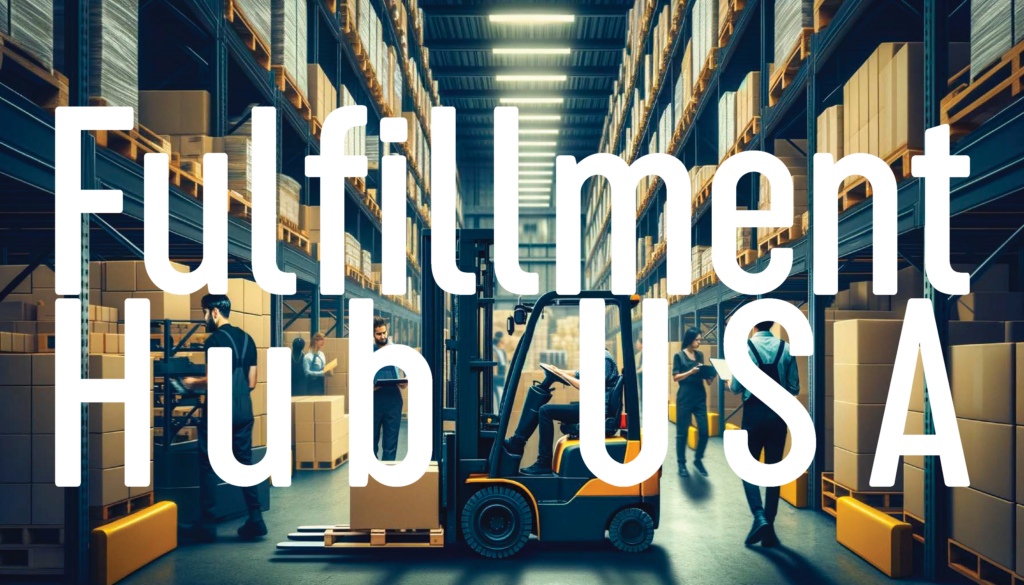
The food and beverage industry is evolving quickly, driven by changing consumer preferences and technological advancements. Fulfillment operations play a critical role in meeting these demands efficiently. The challenge is managing these operations to ensure timely deliveries, stock accuracy, and customer satisfaction. Implementing best practices in food and beverage fulfillment can help companies stay competitive and responsive.
Key Takeaways
- Efficient inventory management is crucial for customer satisfaction.
- Technology can enhance order processing and delivery tracking.
- Collaboration with suppliers ensures a smooth supply chain.
- Regular training helps staff adapt to changing demands.
- Data analytics can optimize fulfillment strategies.
Table of Contents
- Understanding Food & Beverage Fulfillment
- Best Practices for Inventory Management
- Leveraging Technology in Fulfillment Operations
- Ensuring Quality Control
- Training and Staff Development
- Latest Developments in Fulfillment Practices
- FAQs
Understanding Food & Beverage Fulfillment
Food and beverage fulfillment encompasses the processes involved in storing, packaging, and delivering products to consumers. It requires precision and efficiency to handle perishable items while ensuring compliance with safety regulations. For example, businesses must manage temperature-sensitive products, requiring special logistics.
In short: Effective fulfillment operations directly impact customer satisfaction and operational efficiency.
Best Practices for Inventory Management
Importance of Accurate Inventory
Accurate inventory management helps minimize waste and ensures that products are in stock when customers order. Implementing a robust inventory system allows businesses to track sales trends and anticipate demand, reducing overstock and stockouts.
Example: A restaurant that uses an automated inventory system can better manage supplies, ensuring that popular items are always available.
Steps for Effective Inventory Management
- Regular Audits: Perform periodic counts to verify stock levels.
- Forecasting Demand: Use historical data to predict future sales.
- First-in-First-out (FIFO): Ensure older products are sold first.
- Supplier Collaboration: Work closely with suppliers for timely deliveries.
- Stock Optimization: Analyze slow-moving items and adjust orders accordingly.
In short: Best practices in inventory management lead to reduced waste and improved service levels.
Leveraging Technology in Fulfillment Operations
Automation Benefits
Automation can streamline fulfillment processes, from order processing to shipping. Solutions like warehouse management systems (WMS) help in tracking inventory in real-time, increasing efficiency and accuracy.
Case in Point: Companies using automated order management systems can process orders faster, leading to shorter delivery times and increased customer satisfaction.
Tech Tools to Consider
- Warehouse Management Systems (WMS): Improve warehouse operations through real-time tracking.
- Order Management Systems (OMS): Facilitate seamless order processing and fulfillment.
- Delivery Tracking Software: Enhance communication with customers regarding order status.
In short: Integrating technology into fulfillment operations can lead to greater efficiency and customer loyalty.
Ensuring Quality Control
Maintaining high quality in food and beverage fulfillment is non-negotiable. Products must meet safety standards to ensure customer health. Implementing stringent quality control measures throughout the supply chain is essential.
Quality Control Measures
- Supplier Audits: Regularly evaluate suppliers to ensure compliance with safety standards.
- In-House Testing: Conduct tests on products to check quality before shipping.
- Feedback Loops: Encourage customer feedback to identify areas for improvement.
In short: Consistent quality control is necessary to maintain trust and satisfaction among customers.
Training and Staff Development
Well-trained staff are vital to successful fulfillment operations. Continuous education helps employees stay updated on best practices and technological advancements.
Training Best Practices
- Regular Workshops: Conduct workshops to share knowledge on inventory management and safety standards.
- Cross-Training: Encourage versatility by training staff in multiple roles.
- Performance Reviews: Provide constructive feedback to promote skill development.
In short: Investing in staff training leads to improved efficiency and operational success.
Latest Developments in Fulfillment Practices
Recent Trends (as of January 2025)
- Sustainability: Many companies are moving towards eco-friendly packaging solutions to reduce their carbon footprint.
- Blockchain: The adoption of blockchain technology helps in ensuring transparency and traceability in food sourcing and delivery.
In short: Staying informed on industry trends is crucial for adapting and improving fulfillment strategies.
FAQs
What is food and beverage fulfillment?
Food and beverage fulfillment involves the processes of storing, managing, and delivering food and beverage products to customers, ensuring timeliness and quality.
How can technology improve fulfillment operations?
Technology enhances inventory tracking, order processing, and delivery efficiency, helping businesses to respond quickly to customer demands and minimize errors.
What are the benefits of quality control in fulfillment?
Quality control measures help maintain safety standards, enhance product quality, and ensure customer satisfaction, leading to brand loyalty and repeat business.
Why is staff training important in fulfillment?
Ongoing staff training equips employees with necessary skills and knowledge, enabling them to work efficiently and adapt quickly to changing operational demands.
How can businesses optimize inventory levels?
Using forecasting data, implementing a FIFO system, and collaborating closely with suppliers can help businesses optimize their inventory levels and minimize excess.
What trends are shaping the future of food and beverage fulfillment?
Emerging trends include sustainable practices and advanced technologies like blockchain for better transparency and accountability in operations.
Conclusion
Managing food and beverage fulfillment operations requires a combination of efficient practices, technological integration, and quality control measures. By focusing on these areas, businesses can enhance customer satisfaction and remain competitive. Consider implementing these best practices in your operations for improved service delivery and operational efficiency.
- “Best Practices for Food and Beverage Supply Chain Management,” Supply Chain Management Review, January 2025.
- “The Role of Technology in Food & Beverage Operations,” Food Business News, December 2024.Food Business News
- “Sustainable Packaging Trends in Food and Beverage,” Packaging Strategies, February 2025.Packaging Strategies
- “A Guide to Quality Control in Food Distribution,” Food Safety Magazine, November 2024.Food Safety Magazine