
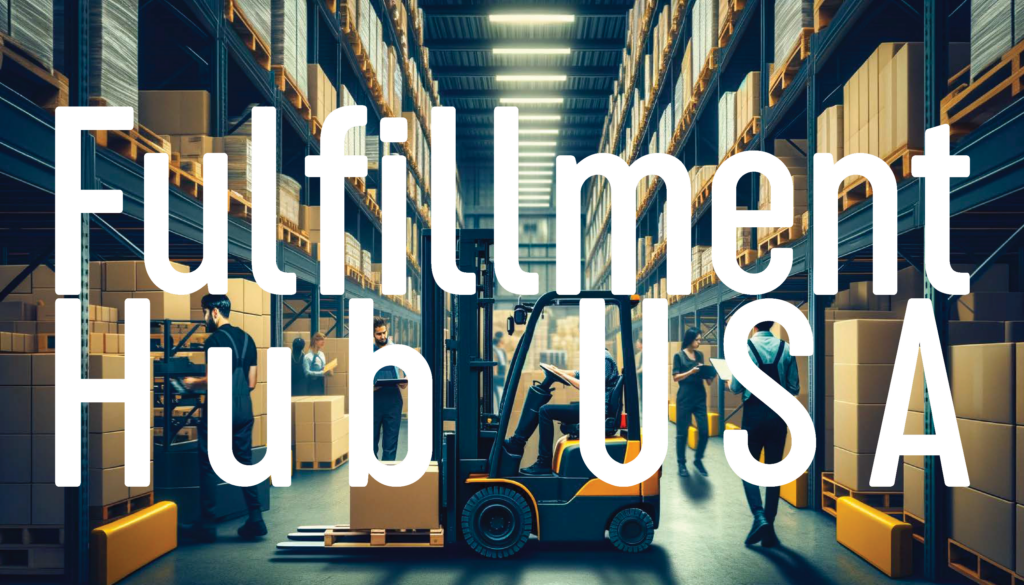
In today’s global marketplace, businesses face numerous challenges related to cross-border fulfilment. Shipping costs, customs regulations, and delivery times can pose significant barriers. However, recent developments in logistics and technology offer cost-effective solutions to streamline these processes. This article explores innovative strategies and tools to enhance your cross-border fulfilment, ensuring efficiency and customer satisfaction.
Key Takeaways
- Embrace technology to reduce shipping costs.
- Utilize local warehousing for quicker delivery.
- Partner with reliable logistics providers for compliance.
- Implement clear customs documentation to avoid delays.
- Leverage dropshipping for international orders.
- Monitor performance with analytics for continuous improvement.
Table of Contents
- Understanding Cross Border Fulfilment
- Recent Developments in Cross Border Fulfilment
- Cost-Effective Strategies
- FAQs
- Conclusion
- External Sources
Understanding Cross Border Fulfilment
Cross-border fulfilment refers to the management of logistics and shipping for orders that cross national borders. It includes associated activities like warehousing, customs clearance, and last-mile delivery. Businesses often struggle with high costs and complexities related to international shipping, making understanding this process critical for success.
For example, a U.S.-based e-commerce retailer selling products in Europe must navigate diverse regulations, tariffs, and shipping logistics to reach customers efficiently.
In short:
Cross-border fulfilment involves multiple processes that can be challenging without the right knowledge and resources.
Recent Developments in Cross Border Fulfilment
In the past year, several advancements have emerged in cross-border fulfilment, directly addressing the obstacles businesses face. Here are some notable trends:
Latest developments
-
Increased Automation (September 2025): Many logistics companies are adopting automation tools for inventory management and order processing. This reduces errors and accelerates fulfilment times.
-
Enhanced Data Analytics (October 2025): Businesses are increasingly using data analytics to gain insights into shipping patterns and customer preferences. Analytics enables companies to make better decisions about inventory locations and shipping routes.
-
Climate Action Initiatives: In recent months, sustainable logistics practices have become a priority. Companies are implementing greener shipping options to reduce their carbon footprint while optimizing costs.
Cost-Effective Strategies
To achieve cost-effective solutions for cross-border fulfilment, consider the following strategies:
1. Leverage Local Warehousing
Establishing warehouses in key international markets can significantly reduce shipping times and costs. By storing inventory closer to your customers, you can provide quicker delivery options.
- Example: A tech gadget company might use a warehouse in Germany to serve customers across Europe more efficiently, reducing reliance on long-haul shipping from the U.S.
2. Optimize Shipping Methods
Investigate various shipping options and choose those that balance cost with speed. Services may vary, so always compare pricing between carriers for better rates.
- Steps to Optimize
- Assess the products’ size and weight.
- Compare international carriers for rates and services.
- Choose a carrier that suits your budget and delivery timeframe.
3. Partner with Third-Party Logistics (3PL) Providers
Working with a 3PL can minimize costs and simplify logistics management. They offer expertise in customs clearance and compliance, which can be overwhelming for businesses operating internationally.
- Advantages
- Cost savings on bulk shipping.
- Access to established distribution networks.
- Reduced risk of compliance errors.
4. Invest in Technology
Utilizing technology such as inventory management systems and automated shipping solutions can streamline processes.
- Tools to Consider
- Warehouse Management Systems (WMS): Help manage stock levels and order processing.
- End-to-End Tracking Software: Provides visibility throughout the shipping process.
In short:
Implementing local warehousing, optimizing shipping methods, leveraging 3PL partnerships, and investing in technology can make cross-border fulfilment more cost-effective.
FAQs
What are the main challenges of cross-border fulfilment?
The major challenges include understanding customs regulations, managing shipping costs, and ensuring timely delivery. Each country has its own regulations, which can complicate fulfilment.
How can technology improve cross-border fulfilment?
Technology streamlines inventory management, automates shipping processes, and offers real-time tracking. These improvements can reduce errors and enhance customer satisfaction.
Is it possible to reduce shipping costs significantly?
Yes, by optimizing shipping choices, using local warehousing, and partnering with logistics experts, businesses can significantly lower their shipping expenses.
How does local warehousing impact delivery times?
Local warehousing can drastically decrease delivery times by storing goods closer to customers, speeding up the fulfilment process.
Conclusion
Cost-effective solutions for cross-border fulfilment exist, from leveraging local warehousing to utilizing technology. Staying updated on recent developments ensures your business remains competitive. Take the next step by evaluating your fulfilment strategy and exploring partnerships with logistics providers to optimize your costs and improve service delivery.
- “Cross-Border E-commerce Fulfilment,” National Retail Federation, published January 2025.Link
- “Logistics Trends 2025: Key Insights,” Logistics Management, published August 2025.
- “How Technology is Transforming Supply Chains,” Supply Chain Dive, published October 2025.
Fulfillment Hub USA
e-Commerce Fulfillment Services
U.S. warehouse locations