
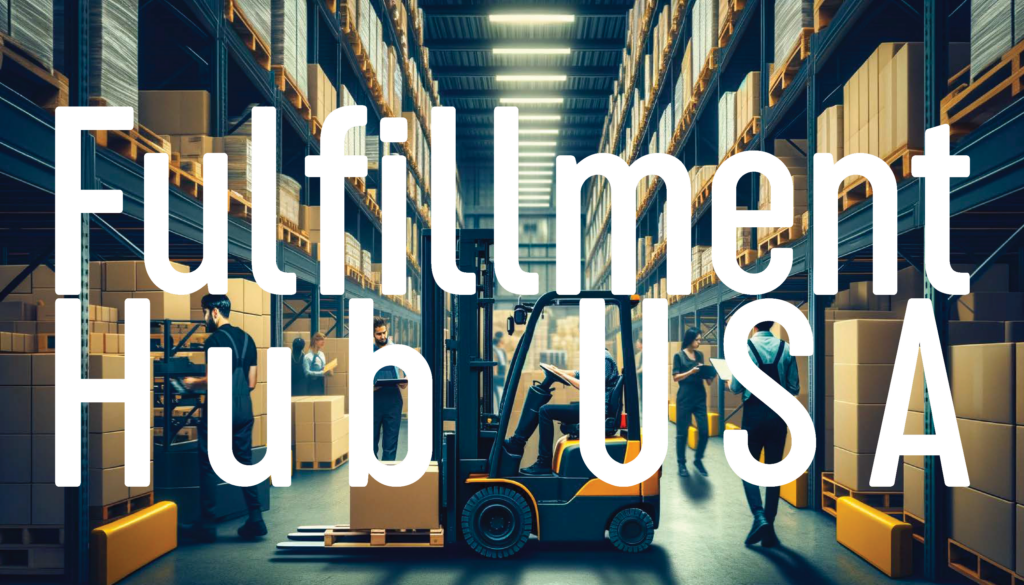
In the fast-paced world of e-commerce, efficient fulfillment services are key to success. Businesses in California have increasingly turned to fulfillment centers to enhance their operations. These services handle everything from warehousing to shipping, allowing companies to focus on growth. Recent developments show that strategic partnerships with fulfillment providers can lead to increased efficiency and customer satisfaction. Here we explore case studies of successful California businesses leveraging fulfillment services.
Key Takeaways
- Fulfillment services streamline supply chain management.
- Companies see improved customer satisfaction through faster deliveries.
- Cost reductions and enhanced scalability are common benefits.
- Professional fulfillment services help businesses focus on core activities.
- Flexibility in operations allows for holiday season adjustments.
Table of Contents
- Introduction to Fulfillment Services
- Case Study 1: Peloton
- Case Study 2: Goldbelly
- Key Benefits of Fulfillment Services
- Latest Developments in Fulfillment Industry
- FAQs
- Conclusion
Introduction to Fulfillment Services
Fulfillment services involve order processing, warehousing, and shipping. They enable businesses to efficiently manage inventory and deliver products to customers. For businesses in California, these services can enhance their operational efficiency, especially in bustling markets like Los Angeles and San Francisco. Partnering with a fulfillment provider can reduce overhead while increasing delivery speed.
Example:
One prime example of a successful transition to fulfillment services is Peloton. As they expanded their product offerings, they sought help to manage logistics and ensure timely deliveries.
Case Study 1: Peloton
Peloton, the fitness technology company, faced challenges in meeting increasing demand for its products. To scale operations, they partnered with fulfillment centers located strategically in California. This allowed Peloton to optimize inventory management and speed up shipping.
Results:
- Faster Shipping: With local fulfillment centers, Peloton reduced shipping times from several days to two-day delivery across California.
- Cost Savings: Streamlined operations led to lower shipping costs per unit.
- Customer Satisfaction: Increased customer ratings due to improved delivery times and order accuracy.
In short, Peloton’s partnership with fulfillment services led to significant improvements in their logistics.
Case Study 2: Goldbelly
Goldbelly is an online marketplace for gourmet food. To meet diverse customer needs, they turned to fulfillment services to handle product storage and distribution. Partnering with local farms and artisans, Goldbelly successfully curated a unique inventory that required careful management and timely delivery.
Results:
- Broader Reach: Goldbelly expanded its customer base by offering quicker regional deliveries.
- Quality Control: Fulfillment services ensured the integrity of perishable items en route to customers.
- Seasonal Scaling: During peak seasons, they quickly increased capacity to manage higher order volumes.
In summary, Goldbelly demonstrates how leveraging fulfillment services can help niche businesses thrive.
Key Benefits of Fulfillment Services
Fulfillment services offer multiple advantages to businesses:
Cost Efficiency
Outsourcing logistics can be less expensive than managing in-house operations. Fulfillment centers can negotiate lower shipping rates due to their volume.
Scalability
Fulfillment services allow businesses to easily scale operations without significant upfront investments. This flexibility is crucial during seasonal spikes.
Enhanced Customer Experience
Fast and accurate delivery improves customer satisfaction. With fulfillment services, businesses can provide tracking and quick shipping options.
In Short:
Fulfillment services reduce costs, enhance customer experience, and allow businesses to scale operations seamlessly.
Latest Developments in Fulfillment Industry
As of 2025, advancements in technology continue to reshape fulfillment services. Automated systems for inventory management and AI-driven logistics are becoming more prevalent. These innovations increase efficiency and accuracy, allowing businesses to handle complexities with ease. For instance, some fulfillment centers in California have adopted robotics to streamline order picking and packing processes, adapting to labor challenges.
FAQs
What are fulfillment services?
Fulfillment services manage storage, packaging, and shipping of products for businesses.
How can fulfillment services help small businesses?
They allow small businesses to compete in delivery speed without heavy investment in logistics.
Are fulfillment services scalable?
Yes, fulfillment services offer scalability to adjust to seasonal demand changes without extensive capital outlay.
How do I choose a fulfillment partner?
Consider location, shipping options, technology integration, and customer service when choosing a fulfillment partner.
What costs are associated with fulfillment services?
Costs can include storage, picking and packing, shipping fees, and technology fees.
Conclusion
California businesses are utilizing fulfillment services to maintain a competitive edge in the e-commerce landscape. By investigating successful case studies like Peloton and Goldbelly, companies can learn the value of efficient logistics strategies. The next step for businesses is to explore potential fulfillment partners that align with their operational goals.
External sources
- “Understanding Fulfillment Services: A Comprehensive Guide.” Fulfillment Hub USA.
- “Peloton’s Rapid Growth: Logistics Lessons.” XYZ News, 2025. Peloton distribution-center operations.
- “Goldbelly’s Rise Amid Pandemic Challenges.” Gourmet Market Journal, March 2025. Gourmet Market Journal.
- “Latest Trends in the Fulfillment Industry.” Logistics Today, January 2025. Logistics Today.