
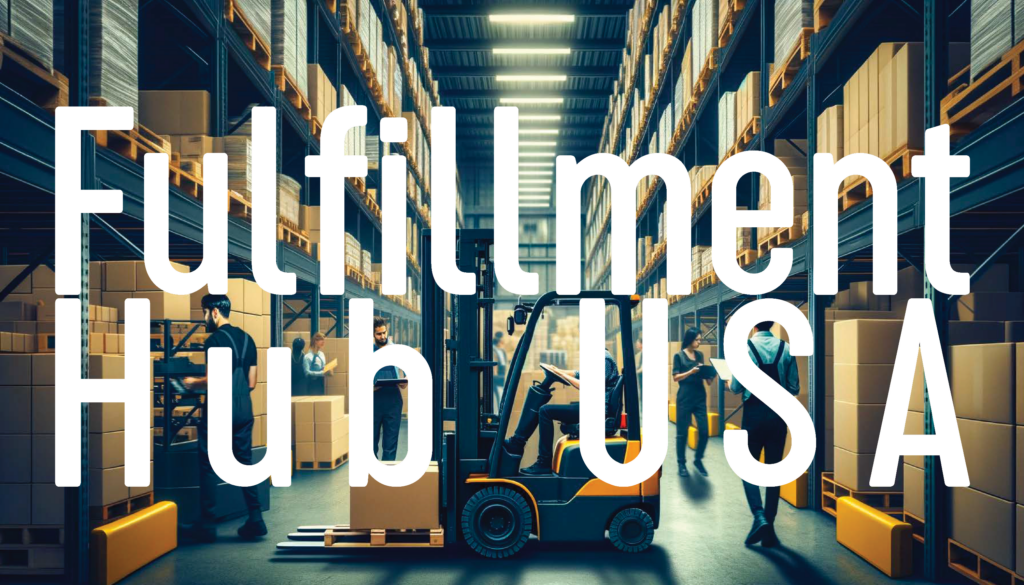
In today’s dynamic marketplace, efficient wholesale fulfilment is crucial for businesses looking to thrive. Recent developments in logistics technology and consumer expectations have pushed companies to innovate their fulfilment strategies. Understanding and implementing effective solutions can lead to significant growth and customer satisfaction. This article explores successful case studies of wholesale fulfilment, highlighting strategies that can help businesses improve their operations and adapt to changing market conditions.
Key Takeaways
- Streamlining processes improves efficiency and reduces costs.
- Technology integration enhances order accuracy and tracking.
- Strategic partnerships boost flexibility and scalability.
- Investing in warehousing optimizes inventory management.
- Data analytics provides valuable insights for better decision-making.
Table of Contents
- Definition of Wholesale Fulfilment
- Case Study 1: Tech Giant’s Automation Advances
- Case Study 2: Fashion Retailer Enhances Supply Chain
- Case Study 3: Food Distributor’s Cold Chain Innovation
- Latest Developments in Wholesale Fulfilment
- FAQs
- Conclusion
Definition of Wholesale Fulfilment
Wholesale fulfilment refers to the processes involved in receiving, processing, and delivering bulk orders of goods to retailers or direct buyers. Efficient fulfilment provides faster delivery, better inventory management, and improved customer satisfaction.
Example: A wholesaler utilizing a modern warehouse management system can quickly manage incoming shipments and fulfil outgoing orders, significantly speeding up the delivery process.
Case Study 1: Tech Giant’s Automation Advances
A leading tech company, known for its rapid product launches, faced challenges in managing order fulfilment during peak seasons. By implementing an automated fulfilment system, they streamlined their processes. The company invested in robotics to pick, pack, and ship products across various global warehouses.
- Impact: The tech giant reduced fulfilment time by 40% and cut operational costs by 30%. This allowed the company to meet customer demand more effectively during high-volume periods.
In short: Automation considerably boosted efficiency for the tech giant, allowing quicker responses to market demands.
Case Study 2: Fashion Retailer Enhances Supply Chain
A major fashion retailer recognized the need to improve its supply chain to align with customer expectations for quick deliveries. They adopted an omnichannel approach, integrating online and offline fulfilment channels.
-
Innovation: The retailer partnered with local fulfilment centers to enable same-day delivery options, thereby enhancing customer satisfaction.
-
Results: This strategy increased sales by 25% in one quarter and improved overall customer retention rates.
In short: The shift to an omnichannel fulfilment model proved successful by enhancing customer experiences.
Case Study 3: Food Distributor’s Cold Chain Innovation
A prominent food distributor faced difficulties maintaining freshness during transit. To address this, they implemented advanced cold chain logistics technology.
-
Upgrade: The distributor invested in real-time temperature monitoring sensors and controlled refrigeration systems throughout their network.
-
Outcome: This led to a reduction in spoilage rates by 50% and elevated customer trust in their products, leading to increased orders.
In short: Enhancing cold chain logistics transformed the distributor’s reliability and customer satisfaction.
Latest Developments in Wholesale Fulfilment
As of October 2023, businesses are increasingly adopting artificial intelligence to enhance fulfilment operations. AI applications enable better demand forecasting and optimize inventory levels, leading to reduced costs and improved service levels.
Latest research showsthat companies utilizing AI for fulfilment report up to 20% lower operational costs and higher customer satisfaction ratings.
FAQs
What is the main goal of wholesale fulfilment?
The primary goal is to deliver goods efficiently from suppliers to retailers or end customers while minimizing costs and maximizing customer satisfaction.
How can technology improve wholesale fulfilment?
Technology can streamline processes, enhance inventory accuracy, and provide real-time tracking for both the business and customers.
What role do partnerships play in wholesale fulfilment?
Strategic partnerships with logistics providers and fulfilment centers can increase flexibility, scalability, and reduce time-to-market.
What are the most common challenges in wholesale fulfilment?
Common challenges include inventory management, order accuracy, logistics coordination, and adapting to demand fluctuations.
Conclusion
Successful wholesale fulfilment implementations are essential for modern businesses looking to stay competitive. By examining various case studies, it’s clear that leveraging automation, adopting new logistics technologies, and building strategic partnerships yield significant benefits. Companies should consider these strategies to enhance their fulfilment processes and meet evolving market demands.
- “How AI is Transforming Warehouse Management,” Supply Chain Dive.
- “The Rise of Omnichannel Fulfilment,” RetailTech News, 2023.Link
- “Improving Cold Chain Logistics,” Food Logistics, October 2023.Link
For more insights on fulfilment and logistics, check outFulfillment Hub USAand explore oure-Commerce Fulfillment Services. To find out about ourU.S. warehouse locations, visit our site.