
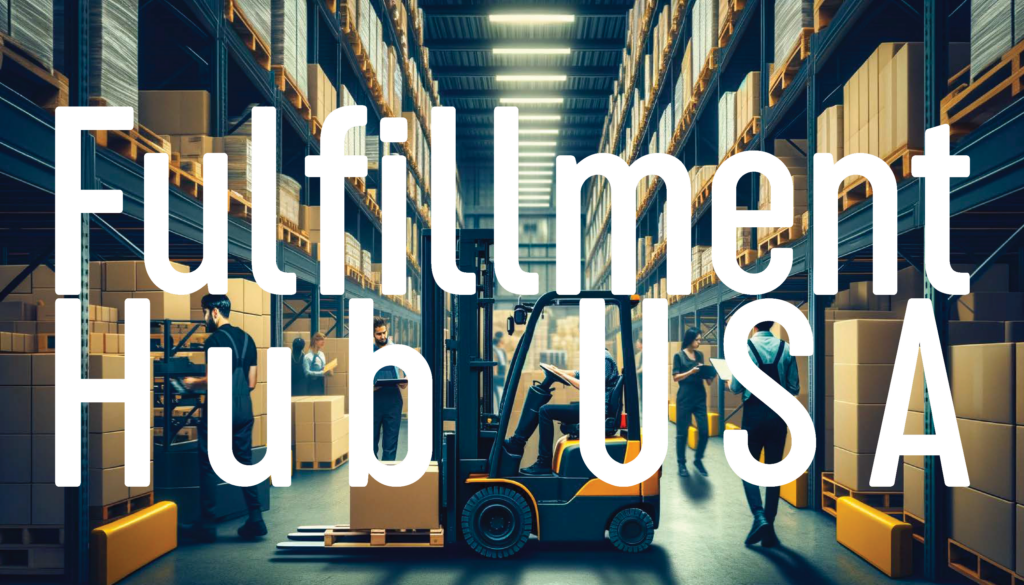
The rise of e-commerce has intensified the need for fulfillment services, but it also raises concerns about environmental sustainability. Companies are under pressure to minimize waste and reduce their carbon footprints. Embracing circular economy principles in fulfillment services can address these challenges. This approach can lead to efficiency, cost savings, and a positive brand image. Recent developments highlight how businesses are shifting towards sustainable practices, making it clear that now is the time for this transition.
Key Takeaways
- Circular economy reduces waste and maximizes resource use.
- Sustainability enhances brand reputation and customer loyalty.
- Improved efficiency can lead to significant cost savings.
- Implementing circular principles fosters innovation in logistics.
- Collaboration among supply chain partners is crucial for success.
Table of Contents
- What is the Circular Economy?
- Benefits of Circular Economy in Fulfillment Services
- Steps to Implement Circular Economy Principles
- Latest Developments
- FAQs
- Conclusion
- External Sources
What is the Circular Economy?
The circular economy is an economic model aimed at eliminating waste through the continual use of resources. Unlike the traditional linear economy, which follows a ‘take-make-dispose’ pattern, the circular economy focuses on reusing materials and products. This can include recycling, refurbishing, and remanufacturing goods.
Example:A fulfillment company may implement recycling programs for packaging materials, reducing the need for new materials.
In short: The circular economy promotes sustainability by rethinking how resources are used.
Benefits of Circular Economy in Fulfillment Services
Implementing circular economy principles in fulfillment services offers several benefits:
-
Waste Reduction:By using packaging that can be reused or recycled, businesses reduce the amount of waste generated.
-
Cost Savings:Efficient resource use can cut operational costs. For example, reusing pallets and containers can significantly lower material costs.
-
Enhanced Brand Image:Consumers increasingly prefer brands that prioritize sustainability. Companies adopting circular practices can build a loyal customer base.
-
Regulatory Compliance:Many regions are implementing stricter environmental regulations. Embracing these principles helps businesses stay ahead of compliance requirements.
-
Increased Resilience:A circular economy fosters supply chain resilience by reducing dependency on virgin resources.
In short: Circular economy practices lead to waste reduction, cost savings, and a stronger brand reputation.
Steps to Implement Circular Economy Principles
Businesses can follow these steps to integrate circular economy principles:
-
Assess Current Practices:Identify wasteful processes and materials in the fulfillment cycle.
-
Choose Sustainable Packaging:Adopt biodegradable or reusable packaging options to minimize waste.
-
Implement Recycling Programs:Establish programs to recycle packaging materials and goods post-consumer use.
-
Engage Stakeholders:Collaborate with suppliers and customers to create a shared vision for sustainability.
-
Educate Employees:Train staff on new practices and the importance of sustainability.
-
Monitor and Measure:Track the effectiveness of circular initiatives and adjust strategies as needed.
In short: Implementing circular economy principles involves assessing current practices and engaging stakeholders.
Latest Developments
Recent advancements indicate a growing trend towards circular economy practices. In January 2025, a report highlighted that major fulfillment companies are investing in eco-friendly technologies and sustainable packaging solutions. Companies are formulating initiatives that promote recycling and the use of renewable resources, responding to consumer demand for sustainable processes.
In short: The fulfillment industry is rapidly evolving to embrace circular economic practices.
FAQs
Q1: What are the main principles of the circular economy?
A1: The circular economy principles include designing for longevity, reusing materials, recycling, and reducing waste. These practices aim to create a closed loop in production and consumption, minimizing resource depletion.
Q2: How can small businesses implement circular economy practices?
A2: Small businesses can start by assessing their waste, choosing sustainable packaging, and encouraging customers to return products for reuse or recycling.
Q3: What role does technology play in the circular economy?
A3: Technology plays a crucial role by enabling more efficient logistics, tracking materials through the supply chain, and enhancing recycling processes.
Q4: Can circular economy practices improve profitability?
A4: Yes, by reducing waste and improving efficiency, companies can lower costs and enhance their profit margins while also attracting eco-conscious consumers.
In short: FAQs cover principles, implementation, technology roles, and profitability related to the circular economy.
Conclusion
Embracing circular economy principles in fulfillment services offers sustainable solutions that benefit both businesses and the environment. The recent shift towards these practices reflects a growing awareness of the importance of sustainability in the modern economy. Companies should take the next step by assessing their operations and implementing circular strategies that can lead to significant advantages in today’s marketplace.
- “The Circular Economy in Fulfillment: Trends and Initiatives,” GreenBiz.Link
- “How E-commerce is Embracing Circular Economy Principles,” Supply Chain Dive.
- “Circular Economy Practices: A Guide for Businesses,” Environmental Protection Agency, January 2025.Link
For more information on fulfillment services, visitFulfillment Hub USA, explore oure-Commerce Fulfillment Services, or check ourU.S. warehouse locations