
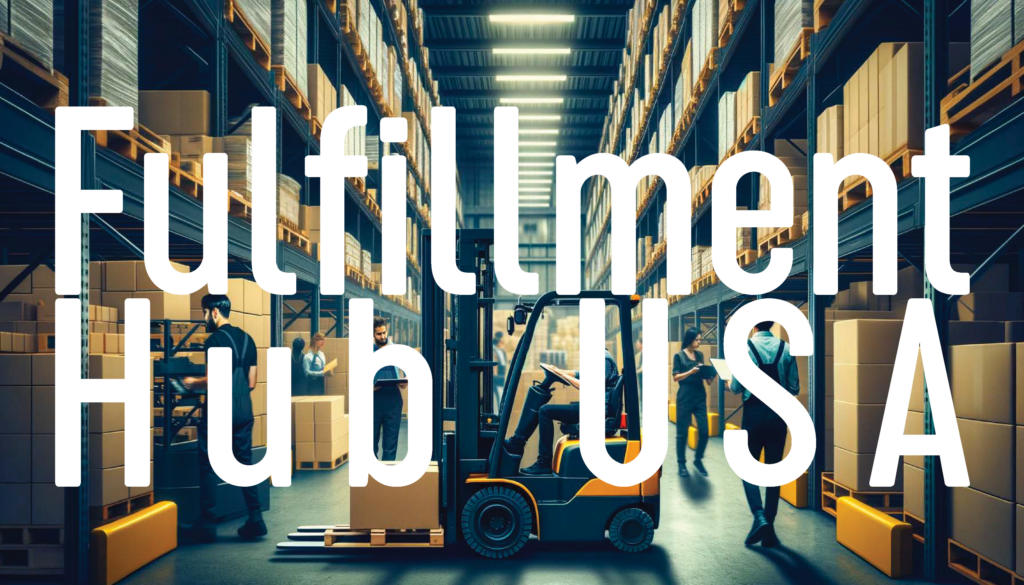
Wholesale fulfillment plays a critical role in the supply chain, connecting manufacturers and retailers. Understanding the various fulfillment models is essential for businesses seeking efficiency and scalability. Recent developments in technology and consumer demands have reshaped these models, making it crucial for businesses to adapt quickly. This article explores the leading wholesale fulfillment methods, helping you choose the best strategy for your needs.
Key Takeaways
- Different fulfillment models suit various business needs.
- Technology enhances efficiency in wholesale fulfillment.
- Adapting models to market changes is essential for growth.
- Understanding customer expectations drives fulfillment success.
- Selecting the right model boosts profitability.
Table of Contents
- What is Wholesale Fulfillment?
- Types of Wholesale Fulfillment Models
- Latest Developments
- Pros and Cons of Each Model
- FAQs
- Conclusion
What is Wholesale Fulfillment?
Wholesale fulfillment is a supply process where products are stored, packed, and shipped to retailers or end consumers. In this model, the wholesaler manages inventory and logistics, allowing retailers to focus on selling. For example, a wholesaler may source electronics from manufacturers, store them in warehouses, and ship them directly to stores.
In short:
Wholesale fulfillment optimizes the supply chain process through efficient inventory and shipping management.
Types of Wholesale Fulfillment Models
Direct Fulfillment
In a direct fulfillment model, products ship directly from the manufacturer to the retailer. This model minimizes storage costs since retailers do not hold inventory. It is efficient for businesses with high product turnover and strong supplier relationships.
Drop Shipping
Drop shipping allows retailers to sell products without maintaining stock. The retailer takes orders and forwards them to the supplier, who ships directly to the customer. This model reduces risk but requires reliable suppliers for customer satisfaction.
Third-Party Logistics (3PL)
3PL providers manage warehousing, inventory, and distribution for multiple clients. This model offers scalability as businesses grow. It can include services like shipping, returns management, and inventory tracking. Notably, e-commerce retailers benefit immensely from 3PLs, especially as demand increases.
Distribution Centers
Distribution centers serve as centralized locations for storing inventory and shipping products. This model supports high-volume businesses by consolidating inventory in one location. It can lead to faster shipping times and lower transportation costs.
In short:
Wholesale fulfillment models vary greatly, each with unique advantages depending on business needs.
Latest Developments
Recent trends show an increased focus on automation and technology integration in wholesale fulfillment. As of early 2025, many companies are adopting artificial intelligence (AI) to optimize inventory management and forecasting. This not only enhances efficiency but also improves customer experiences by ensuring product availability and timely deliveries. Adapting to these technologies is now a key factor in competitive success.
Pros and Cons of Each Model
| Fulfillment Model | Pros | Cons |
|---|---|---|
| Direct Fulfillment | Lower storage costs, fast delivery | Depends heavily on supplier speed |
| Drop Shipping | Low initial investment, wide product range | Less control over inventory quality |
| Third-Party Logistics | Scalability, expertise in logistics | Costs can escalate with growth |
| Distribution Centers | Quick fulfillment, centralized inventory | High overhead costs |
In short:
Each wholesale fulfillment model presents unique advantages and challenges that businesses must consider.
FAQs
What is the best wholesale fulfillment model for startups?
For startups, drop shipping is often the best choice. It allows businesses to test products without a significant upfront investment in inventory.
How do I choose the right fulfillment model?
Consider factors like product type, volume, budget, and customer expectations. Analyze your supply chain needs and growth plans.
Can I use multiple fulfillment models?
Yes, many companies utilize a mix of fulfillment models to optimize their operations. This hybrid approach can help cater to different products and customer needs.
What role does technology play in wholesale fulfillment?
Technology streamlines processes, enhances inventory management, and improves shipping accuracy. Tools like automated ordering systems and AI-driven analytics significantly boost efficiency.
Conclusion
Understanding various wholesale fulfillment models is essential for any business looking to thrive in today’s competitive landscape. As trends evolve, so should your strategy. Evaluate your options carefully to select the model that aligns with your operational goals and customer demands.