
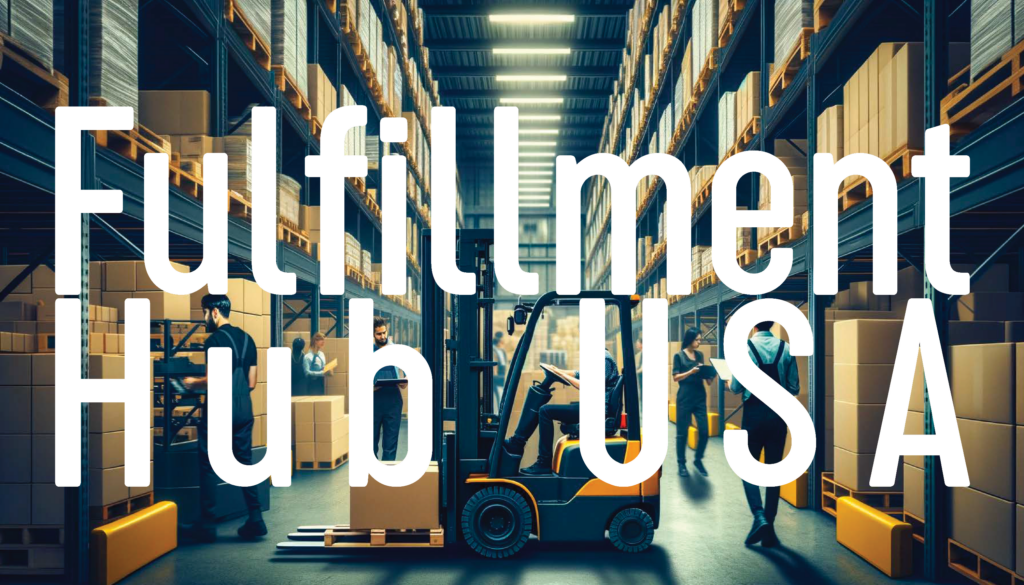
Fulfillment centers play a crucial role in the supply chain by helping businesses efficiently deliver products to customers. Understanding the differences between local and national fulfillment centers can significantly impact your logistics strategy. Recent trends in e-commerce and logistics have amplified the need for businesses to consider their fulfillment options carefully. In this article, we’ll explore the key distinctions, advantages, and considerations for businesses when choosing between local and national fulfillment centers.
Key Takeaways
- Speed of Delivery: Local fulfillment centers offer faster delivery times for regional customers.
- Cost Efficiency: National centers can benefit from scale but may incur higher shipping costs.
- Inventory Management: Local centers allow for better management of inventory specific to regional preferences.
- Scalability: National fulfillment centers support businesses looking to expand across the country.
- Customer Experience: Local centers can enhance customer satisfaction through faster and more reliable service.
- Technology Integration: Both options offer technology solutions but differ in implementation and support.
Table of Contents
- Understanding Fulfillment Centers
- Local Fulfillment Centers
- National Fulfillment Centers
- Comparative Analysis
- Latest Developments
- Frequently Asked Questions
- Conclusion
- External Sources
Understanding Fulfillment Centers
Fulfillment centers are specialized warehouses that handle the storage, packaging, and shipping of products. Businesses outsource these functions to optimize operations and focus on their core activities. There are two main types of fulfillment centers: local and national.
Example: A local fulfillment center might serve a specific city or region, while a national fulfillment center can ship across the entire United States, facilitating nationwide delivery.
Local Fulfillment Centers
Local fulfillment centers are strategically located to serve specific geographic areas. They focus on fast, reliable service for nearby customers. Here are some key features:
Advantages
- Quick Delivery: Since they are close to customers, they can often offer same-day or next-day delivery.
- Cost Savings: Reduced shipping times can lead to lower transportation costs.
- Personalized Service: Local centers can tailor their services based on regional demand and preferences.
Challenges
- Limited Reach: Their service may be confined to a smaller geographic area.
- Scalability Issues: As a business grows, they may need multiple local centers to keep up with demand.
In short: Local fulfillment centers excel at speed and personalized service but may struggle with geographic limitations.
National Fulfillment Centers
In contrast, national fulfillment centers serve a larger market by distributing products across the country. They typically handle high volumes and have significant operational capabilities.
Advantages
- Widespread Coverage: Can reach customers anywhere in the country efficiently.
- Economies of Scale: Lower per-unit shipping costs due to larger operations.
- Diverse Inventory: Capable of handling a wide variety of products from different regions.
Challenges
- Longer Shipping Times: Delivery can take longer as distance increases.
- Higher Initial Costs: Setting up a national fulfillment network requires significant investment.
In short: National fulfillment centers offer broader reach and cost benefits but may sacrifice speed.
Comparative Analysis
Here’s a comparison table summarizing key differences:
| Feature | Local Fulfillment Centers | National Fulfillment Centers |
|---|---|---|
| Delivery Speed | Fast (same/next day) | Moderate (3-7 days) |
| Shipping Costs | Usually lower | Can be higher due to distance |
| Customer Personalization | High | Moderate |
| Inventory Variety | Limited | Extensive |
| Operational Scale | Smaller | Larger |
Latest Developments
With the rise of e-commerce in recent months, businesses are re-evaluating their fulfillment strategies. In January 2025, a survey showed an increasing number of businesses opting for hybrid fulfillment strategies, combining both local and national fulfillment centers to meet diverse customer needs and improve delivery times.
Frequently Asked Questions
What is a fulfillment center?
A fulfillment center is a third-party service that stores and ships products for businesses, handling the logistics of inventory management, packing, and shipping.
How do I choose between a local and national fulfillment center?
Consider factors such as delivery speed, customer location, and inventory management needs. A local center may be best for regional deliveries, while a national center suits broader markets.
Can I use both types of fulfillment centers?
Yes, many businesses use a hybrid model, leveraging local centers for regional orders and a national center for broader distribution.
What technology is involved in fulfillment centers?
Fulfillment centers often use warehouse management systems (WMS), inventory tracking software, and shipping solutions to streamline operations and improve accuracy.
Conclusion
Choosing between local and national fulfillment centers is crucial for optimizing your supply chain. Local centers provide speed and personalized service, while national centers offer broad reach and cost efficiency. Evaluate your business needs carefully to make an informed decision that enhances customer satisfaction and operational efficiency.
External Sources
- Federal Parcel Fulfillment Trends 2025. FederalObserver.
- Latest Innovations in E-Commerce Fulfillment. The Supply Chain Magazine.
- The Cost of Fulfillment in E-Commerce 2025. Shipping Insights.
Explore more on Fulfillment Hub USA, e-Commerce Fulfillment Services, and our U.S. warehouse locations.