
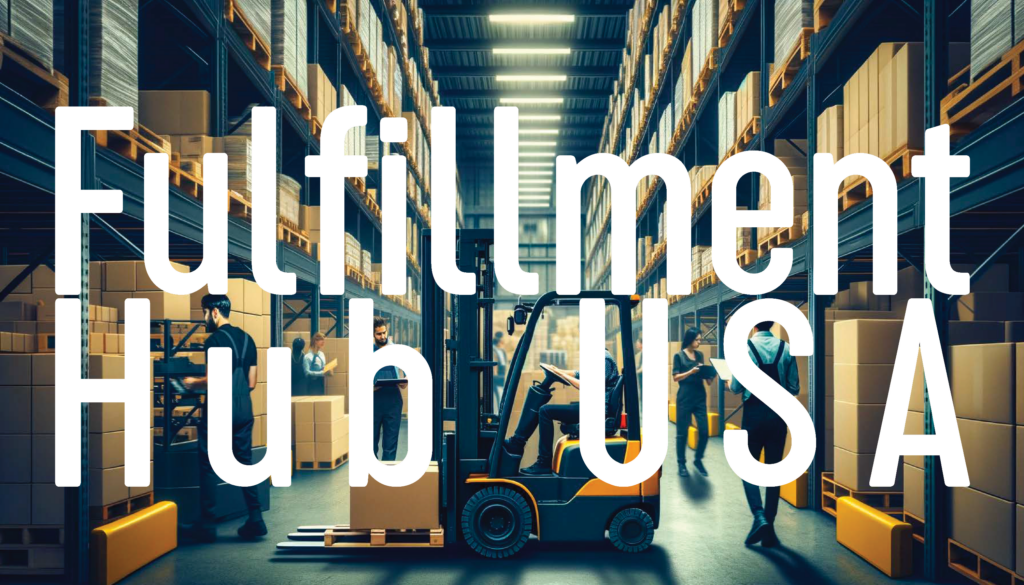
In today’s fast-paced retail environment, apparel fulfillment services are undergoing a significant transformation. The integration of technology is reshaping how businesses manage inventory, process orders, and deliver products to customers. With the rise of e-commerce and consumer demands for quicker service, leveraging advanced technology in fulfillment processes is essential for gaining a competitive edge. Recent advancements in artificial intelligence (AI), automation, and analytics are driving efficiency and improving customer satisfaction.
Key Takeaways
- Technology enhances speed and accuracy in order processing.
- AI optimizes inventory management and demand forecasting.
- Automation reduces operational costs in fulfillment centers.
- Data analytics helps personalize customer experiences.
- Sustainable technologies contribute to eco-friendly practices.
Table of Contents
- The Role of Technology in Apparel Fulfillment
- Recent Innovations in Fulfillment Technologies
- Benefits of Automation in Fulfillment Centers
- Using AI for Inventory Management
- The Impact of Data Analytics on Customer Experience
- Challenges and Future Directions
- FAQ
- Conclusion
The Role of Technology in Apparel Fulfillment
Technology is revolutionizing the way apparel fulfillment services operate. Companies are leveraging automated systems for sorting and packing orders, ensuring faster delivery times. With real-time tracking and visibility, businesses can keep customers informed about their orders, boosting satisfaction and trust. For future success, adopting these technologies is no longer optional.
In short: Technology enhances visibility and efficiency in apparel fulfillment.
Recent Innovations in Fulfillment Technologies
Recent developments in fulfillment technology include the introduction of smart warehouses equipped with robotics and AI. For instance, companies like Amazon and Walmart have adopted autonomous robots that can pick and pack items, significantly increasing efficiency. A report from October 2024 emphasized how smart fulfillment centers can cut processing times by up to 50% (Source: Logistics Management).
Latest developments:In 2025, several retailers, such as Zara, announced plans to implement AI-driven fulfillment systems to streamline operations further, setting a new standard in the industry.
In short: Smart warehouses are transforming fulfillment operations.
Benefits of Automation in Fulfillment Centers
Automation offers critical benefits for apparel fulfillment services, including:
- Increased Efficiency:Automated systems can perform repetitive tasks faster than human workers, reducing processing times.
- Lower Operational Costs:Automation minimizes labor costs, allowing businesses to reallocate resources for growth.
- Improved Accuracy:Robots and automated systems reduce human error in picking and packing.
Steps to Implement Automation
- Assess needs:Identify repetitive tasks that can be automated.
- Choose technology:Select suitable robotics and AI solutions.
- Integrate systems:Ensure new technologies work seamlessly with existing processes.
- Train staff:Equip employees with the skills to operate new systems.
- Monitor performance:Regularly evaluate the effectiveness of automated processes.
In short: Automation enhances efficiency and lowers costs in fulfillment.
Using AI for Inventory Management
AI plays a vital role in streamlining inventory management in apparel fulfillment. By analyzing sales data and trends, AI systems can accurately predict demand, preventing overstock or stockouts. Businesses can adjust inventory levels proactively, saving money and space.
Example:A recent case study of a major apparel retailer showed that using AI for demand forecasting reduced excess inventory by 30% (Source: Retail Dive). By consolidating stock based on accurate predictions, the retailer also improved cash flow.
In short: AI optimizes inventory levels, reducing waste.
The Impact of Data Analytics on Customer Experience
Data analytics provides valuable insights into consumer behavior, allowing businesses to enhance customer experiences. By collecting and analyzing customer data, apparel companies can tailor marketing efforts and inventory to meet specific consumer preferences.
Pros and Cons of Data Analytics
Pros:
- Personalized marketing boosts conversion rates.
- Better stock management meets customer demand.
- Increased customer loyalty through tailored experiences.
Cons:
- Data privacy concerns may arise.
- High initial investments in analytics tools.
- Dependence on data accuracy for effective results.
In short: Data analytics transforms customer interactions in apparel fulfillment.
Challenges and Future Directions
While technology greatly enhances apparel fulfillment, challenges remain. High implementation costs, maintaining data security, and ensuring employee adaptability to new systems are significant hurdles. Looking ahead, businesses should focus on:
- Investing in sustainable technologies to meet environmental goals.
- Continuously training staff to keep pace with emerging technologies.
- Enhancing cybersecurity measures to protect customer data.
In short: Balancing technology advancement with security and workforce adaptation is crucial.
FAQ
What are the main technologies used in apparel fulfillment?
Key technologies include automation robots, artificial intelligence for inventory management, and data analytics tools that enhance customer interactions.
How does AI improve apparel fulfillment?
AI enhances inventory forecasting, improves order accuracy, and automates warehouse operations, ultimately leading to cost savings and better service.
What challenges do companies face with technology adoption?
Challenges include high implementation costs, data security concerns, and ensuring staff are trained to use new technologies effectively.
Can small businesses benefit from these technologies?
Absolutely! Even small businesses can implement scaled-down solutions that leverage technology for efficiency and cost reduction.
How can I stay updated on fulfillment technology trends?
Follow industry publications, subscribe to technology newsletters, and attend relevant conferences and workshops to stay informed.
Conclusion
Technology is rapidly transforming apparel fulfillment services, making operations more efficient and enhancing customer satisfaction. By embracing automation, AI, and data analytics, companies can streamline processes and meet consumer demands effectively. The next step for businesses is to evaluate their current systems and consider integrating new technologies to stay ahead in this competitive landscape.
- “How Technology is Transforming Supply Chain: The Future of Smart Warehouses,” Logistics Management, October 2024.
- “Artificial Intelligence and Retail: Transforming the Store Front,” Retail Dive, 2024.Link
- “Impact of Data Analytics on Customer Experience,” Marketing Week, 2025.Link
Internal links: