
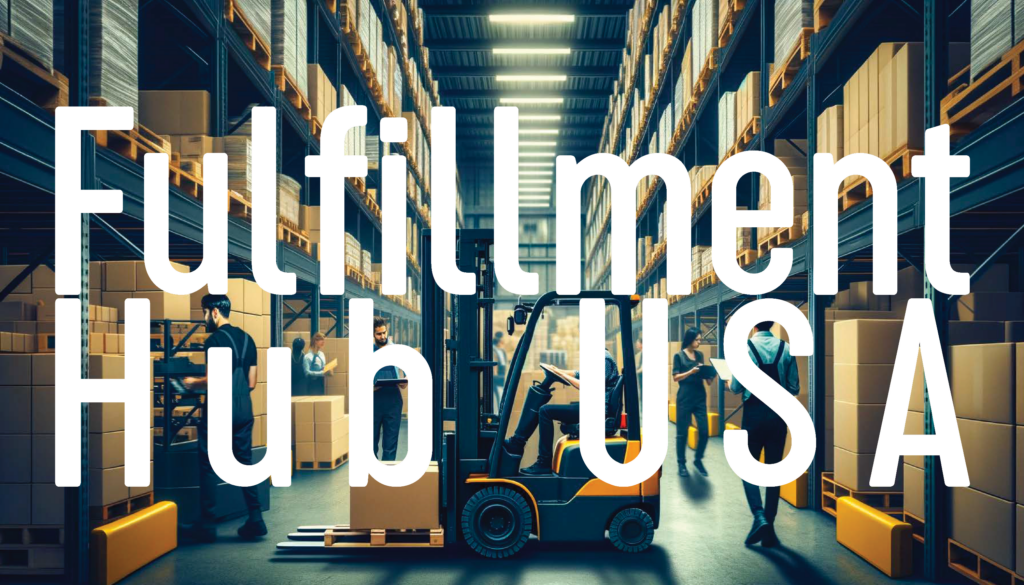
In today’s global market, choosing the right cross-border fulfillment partner is crucial for e-commerce success. With growth in international sales, businesses face new challenges like customs regulations and shipping costs. Selecting a partner who understands these complexities can streamline operations and enhance customer satisfaction. Recent trends indicate that fulfillment accuracy and speed have become more critical than ever. This guide will walk you through the essential steps to make an informed choice for your business.
Key Takeaways
- Understand the importance of experience in international logistics.
- Evaluate technology and integration capabilities.
- Consider the scalability of the fulfillment partner.
- Check for compliance with local regulations.
- Assess shipping options and delivery speed.
Table of Contents
- What is Cross Border Fulfilment?
- Factors to Consider in Choosing a Partner
- Recent Developments in Cross Border Fulfilment
- FAQs
- Conclusion
What is Cross Border Fulfilment?
Cross border fulfillment is the process of storing, packaging, and distributing products to customers outside of the country where the seller is based.
For example, if a U.S. retailer sells products to customers in Canada, cross-border fulfillment is involved in moving those goods through customs and ensuring timely delivery. This process requires a solid understanding of logistics and regulatory requirements.
In short: Cross-border fulfillment involves international shipping and logistics to facilitate global sales.
Factors to Consider in Choosing a Partner
1. Experience and Expertise
Look for a partner with extensive experience in cross-border logistics. They should have a proven track record of successfully handling international shipments, customs procedures, and dealing with any challenges that arise.
2. Technology Integration
Evaluate their technological capabilities. A partner who offers seamless integration with your e-commerce platform can significantly enhance efficiency. Check if they provide real-time tracking, inventory management, and automated shipping processes.
3. Compliance and Regulations
Ensure the fulfillment partner understands the legal requirements in both the selling and receiving countries. Customs regulations can be quite stringent, and non-compliance can result in delays or fines.
4. Scalability
Choose a partner that can grow with your business. As your sales increase, your fulfillment needs will expand. A scalable partner should be able to adapt without significant disruption to the service.
5. Shipping Options and Speed
Shipping costs and delivery times are major considerations. Assess the range of shipping options they provide and ensure they can meet your delivery timeframe and budget needs.
6. Customer Support
Reliable customer support can make a significant difference. Ensure the fulfillment partner offers comprehensive customer service to both you and your customers.
In short: Focus on a partner with technology, scalability, compliance, and strong customer support.
Recent Developments in Cross Border Fulfilment
As of January 2025, the e-commerce landscape continues to evolve rapidly. Recent innovations in logistics technology, such as AI-driven management systems and blockchain for enhanced supply chain transparency, are game changers.
Companies are now prioritizing sustainability, looking for eco-friendly shipping methods. Notably, new regulations in Europe regarding carbon emissions for shipping could impact fulfillment strategies for businesses operating cross-border.
In short: Stay aware of technological and regulatory changes influencing cross-border fulfillment.
FAQs
Q: What are the costs involved in cross-border fulfillment?
A: Costs vary based on shipment size, shipping method, and customs fees. It’s essential to discuss pricing upfront with potential partners.
Q: How long does cross-border shipping typically take?
A: Shipping times vary widely based on the destination and shipping method. On average, it can take anywhere from 5 days to several weeks.
Q: Can I manage inventory across borders?
A: Yes, many fulfillment partners offer inventory management systems that can help you keep track of stock levels in different countries.
Q: What happens if a package is lost during international shipping?
A: Most reputable fulfillment partners provide insurance options and will assist you in resolving lost shipment claims.
Q: How do I ensure customer satisfaction with international orders?
A: Provide clear shipping policies, timely updates, and excellent customer service, all of which can enhance customer satisfaction.
Conclusion
Choosing the right cross-border fulfillment partner is a vital step for expanding your e-commerce business internationally. By considering experience, technology, compliance, shipping options, and customer support, you can make an informed decision. Start by evaluating your immediate needs and seeking partners who align with your growth ambitions.
- “Cross-Border E-Commerce: Growth Drivers and Key Trends” — Retrieved fromGlobal Trade Magazine
- “Understanding Customs Procedures in International Trade” — Retrieved fromInternational Trade Administration
- “How E-Commerce is Driving Fulfillment Innovations” — Retrieved from
For additional information on fulfillment strategies visit ourFulfillment Hub USApage, explore oure-Commerce Fulfillment Services, and check ourU.S. warehouse locations