
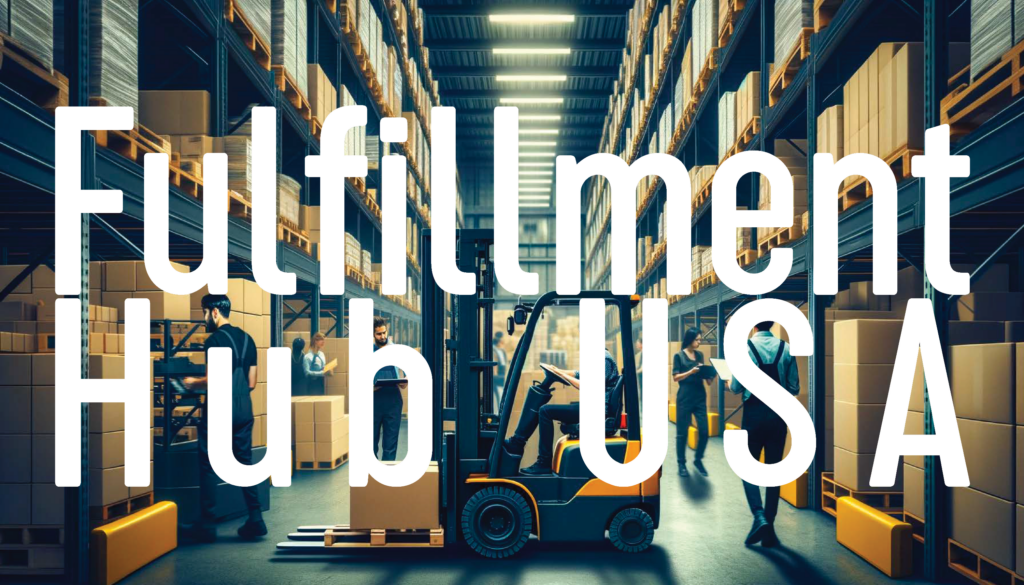
Choosing the right e-commerce warehouse on the West Coast is crucial for your business’s success. With rapid developments in logistics and supply chain management, recent changes in consumer behavior have increased the importance of timely and efficient fulfillment. The right warehouse can enhance delivery speed, cut costs, and boost customer satisfaction. This guide will equip you with key factors to consider when selecting a warehouse to meet your specific needs.
Key Takeaways
- Evaluate your inventory type and volume for optimal space.
- Consider location for faster shipping and lower freight costs.
- Look for flexibility in services and scalability.
- Investigate technology and automation capabilities.
- Verify the warehouse’s experience in your industry.
Table of Contents
- Understanding Your Needs
- Location, Location, Location
- Assessing Warehouse Capabilities
- Technology and Automation
- Flexibility and Scalability
- Cost Considerations
- Latest Developments
- Frequently Asked Questions (FAQs)
- Conclusion
Understanding Your Needs
Before initiating your search, define your business requirements. Consider elements such as:
- Inventory Type: Different warehouses specialize in various types of products (e.g., perishable goods, bulky items).
- Estimated Volume: Determine your storage needs based on current and projected sales.
For example, a clothing brand might require a highly organized warehouse for quick access, while a home goods retailer may need extensive space for larger items.
In short: Clarifying your needs helps narrow down options efficiently.
Location, Location, Location
The West Coast features several strategic locations for e-commerce warehouses, including:
- Los Angeles: Access to major shipping lanes and a significant consumer market.
- San Francisco: Central for tech-related products, particularly for businesses in the Bay Area.
- Seattle: Close to major shipping routes and customers in the Pacific Northwest.
Select a location that minimizes transit times to your target markets. Proximity can greatly affect shipping costs and delivery times, which are critical for customer satisfaction.
In short: Location plays a vital role in logistics efficiency and cost management.
Assessing Warehouse Capabilities
Evaluate a warehouse’s capabilities by examining services offered, such as:
- Fulfillment Services: Picking, packing, and shipping operations must align with your business model.
- Inventory Management: The ability to track inventory levels in real time is essential for seamless operations.
A recent survey from the Warehousing Education and Research Council (WERC) emphasizes that warehouses offering comprehensive inventory management tools significantly reduce partner costs and improve order accuracy.
In short: Ensure the warehouse fits well with your operational needs.
Technology and Automation
Modern e-commerce warehouses leverage technology to streamline operations. Consider the following:
- Warehouse Management Systems (WMS): A robust WMS ensures efficient order processing and inventory tracking.
- Automation Technologies: Robotic picking and packing can significantly increase speed and accuracy.
Invest in a warehouse that utilizes the latest technology to enhance your operational efficiency.
In short: Advanced technology can result in faster fulfillment and reduced errors.
Flexibility and Scalability
When choosing a warehouse, assess its flexibility in terms of:
- Service Offerings: Can they adapt to seasonal fluctuations or sudden growth in order volume?
- Contract Terms: Look for flexible contract options that allow you to scale up or down without penalties.
Recent trends show that businesses increasingly prefer partners who can quickly adapt to changing market demands.
In short: Flexibility ensures you aren’t locked into long-term commitments that may hinder growth.
Cost Considerations
Determine the total cost of storage and services by gathering the following:
- Storage Fees: Understand how fees are structured—variable vs. fixed costs.
- Shipping Rates: Factor in shipping costs based on warehouse location relative to your customer base.
A well-rounded approach to costs, including hidden fees, can reveal the total cost of ownership associated with a warehouse.
In short: A comprehensive cost analysis is crucial for budget management.
Latest Developments
Latest Developments in Warehouse Management (as of April 2025)
- The trend towardsautomated fulfillment centershas intensified, driven by consumer demand for rapid delivery.
- Many West Coast warehouses are adoptinggreen logistics practicesto reduce their carbon footprint.
- AI and machine learningare increasingly utilized to improve inventory forecasting and optimize storage.
In short: Staying current with developments can help you make informed decisions.
Frequently Asked Questions (FAQs)
Q: What factors should I prioritize when selecting a warehouse?
A: Focus on location, services offered, flexibility, technology, and costs.
Q: How can a warehouse positively impact my shipping time?
A: A strategically located warehouse minimizes shipping distances and can expedite delivery.
Q: What is the average storage fee for warehouses on the West Coast?
A: Costs vary significantly; however, on average, expect to pay between $10 to $30 per pallet per month.
Q: How do I ensure my inventory is managed effectively?
A: Choose a warehouse that utilizes robust inventory management software for real-time tracking.
Q: How quickly can I expect order processing?
A: Processing times vary; however, many warehouses offer same-day shipping for orders placed by a specified time.
Conclusion
Choosing the right West Coast e-commerce warehouse entails understanding your business needs, evaluating locations, and analyzing costs. Taking the time to consider these factors will help you find a partner that meets your requirements and scales with your business. Start by assessing the outlined factors today to streamline your fulfillment processes and enhance customer satisfaction.
- Warehousing Education and Research Council. (2025). “Trends in Warehouse Management.”
- Supply Chain Management Review. (2025). “Automation in E-commerce Warehouses.”
Fulfillment Hub USA
e-Commerce Fulfillment Services
U.S. warehouse locations