
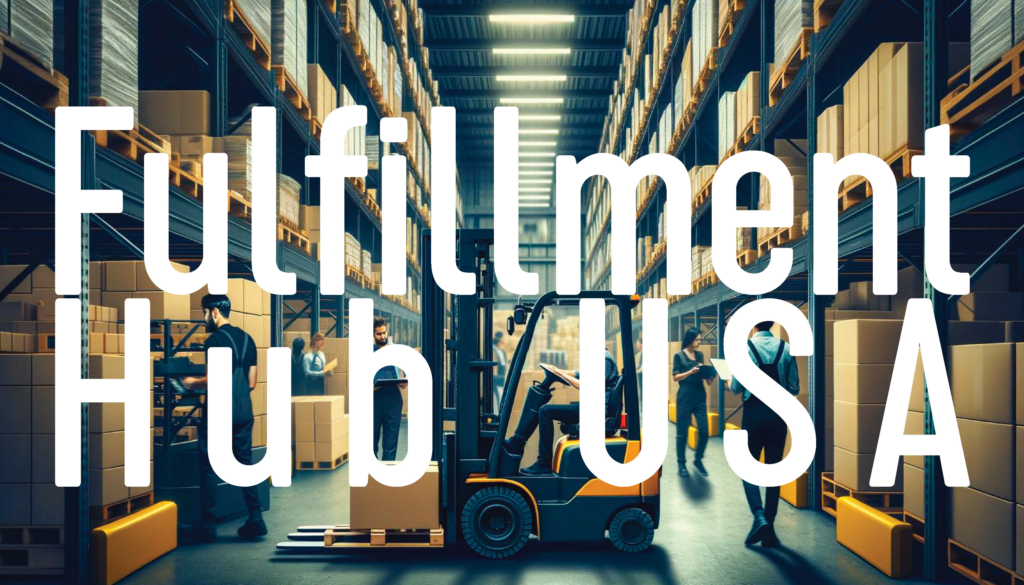
As e-commerce continues to thrive globally, cross-border fulfillment has become more critical than ever. Businesses face challenges in logistics, customs, and customer satisfaction in delivering goods across borders. However, innovative technologies are revolutionizing these processes, improving efficiency and transparency. Recent advancements like artificial intelligence (AI), blockchain, and robotics are streamlining cross-border fulfillment, making it faster and more reliable than ever before.
Key Takeaways
- AI optimizes logistics, enhancing decision-making and reducing errors.
- Blockchain improves transparency and security in transactions.
- Robotics enhances warehouse efficiency, reducing operational costs.
- Real-time data analytics ensures better inventory management and demand forecasting.
- Automated customs clearance speeds up the shipping process.
Table of Contents
- Understanding Cross-Border Fulfillment
- Role of AI in Cross-Border Fulfillment
- Blockchain Revolutionizing the Supply Chain
- Robotics and Automation in Warehousing
- Real-Time Data Analytics
- Latest Developments
- FAQs
- Conclusion
Understanding Cross-Border Fulfillment
Cross-border fulfillment refers to the process of delivering goods from one country to customers in another. This requires navigating foreign regulations, customs, and varying shipping practices. Businesses often face challenges like varying import duties, delivery times, and in-country returns.
Example:A U.S. retailer shipping to customers in Canada must understand Canadian customs regulations to ensure successful deliveries.
In short: Cross-border fulfillment is crucial for global e-commerce growth.
Role of AI in Cross-Border Fulfillment
Artificial intelligence has transformed logistics in various ways. It helps businesses make smarter decisions, optimizes shipping routes, and predicts demand.
- Route Optimization:AI analyzes factors like traffic, weather, and historical data to determine the best shipping routes, reducing delivery times and costs.
- Inventory Management:AI tools forecast demand based on trends, ensuring that businesses stock the right products at the right time.
In short: AI greatly enhances logistics efficiency in cross-border fulfillment.
Blockchain Revolutionizing the Supply Chain
Blockchain technology is reshaping how businesses approach cross-border transactions. It provides an immutable ledger for all transactions, improving transparency.
- Secure Transactions:Blockchain provides trust, ensuring that all stakeholders have access to the same data.
- Efficient Customs Clearance:With smart contracts, businesses can automate compliance processes, speeding up customs clearance.
In short: Blockchain technology enhances security and efficiency in cross-border fulfillment.
Robotics and Automation in Warehousing
Robotics and automation simplify warehousing tasks. Automated systems handle sorting, packing, and inventory management, reducing labor costs and errors.
- Picking Robots:Robots can navigate warehouses to pick items, speeding up order fulfillment.
- Automated Sortation Systems:These systems quickly sort packages based on destination, streamlining shipping processes.
In short: Robotics significantly boosts warehouse efficiency in cross-border fulfillment.
Real-Time Data Analytics
Real-time data analytics enable businesses to monitor their supply chains closely. This helps in making informed decisions quickly.
- Demand Forecasting:Analytics tools predict future sales, allowing businesses to adjust inventory and meet customer needs.
- Supply Chain Visibility:Real-time tracking provides insight into shipment status, helping address issues proactively.
In short: Real-time data enhances supply chain management and responsiveness.
Latest Developments
Recent advancements in technology continue to impact cross-border fulfillment significantly. As of October 2023, companies are increasingly adopting AI and blockchain, improving efficiency and transparency in supply chains. For instance, many logistics firms are now fully integrating blockchain for tracking shipments and automating compliance checks.
In short: The latest technologies are progressively reshaping cross-border fulfillment.
FAQs
Q1: What is cross-border fulfillment?
A1: Cross-border fulfillment is the process of delivering products from one country to customers located in another.
Q2: How does AI impact logistics?
A2: AI improves route optimization, demand forecasting, and inventory management, leading to more efficient logistics.
Q3: What role does blockchain play in fulfillment?
A3: Blockchain enhances security, transparency, and efficiency in transactions and shipping processes.
Q4: How are robots used in warehousing?
A4: Robots can automate picking, packing, and sorting, significantly improving efficiency and reducing costs.
Q5: What is real-time data analytics?
A5: Real-time data analytics refers to the use of technology to analyze data as soon as it becomes available, aiding decision-making.
Conclusion
Innovative technologies are dramatically transforming cross-border fulfillment. AI, blockchain, and robotics are driving improvements that streamline operations, enhance security, and satisfy customer needs. As these technologies continue to evolve, businesses must adopt them to stay competitive in the global marketplace. For those looking to improve their fulfillment processes, embracing these innovations is a vital next step.
- “How AI is Transforming Worldwide Shipping” –
- “The Future of Logistics: Blockchain in Cross-Border Trade” –
- “Next-Gen Warehousing Technology and its Impact on E-commerce” –