
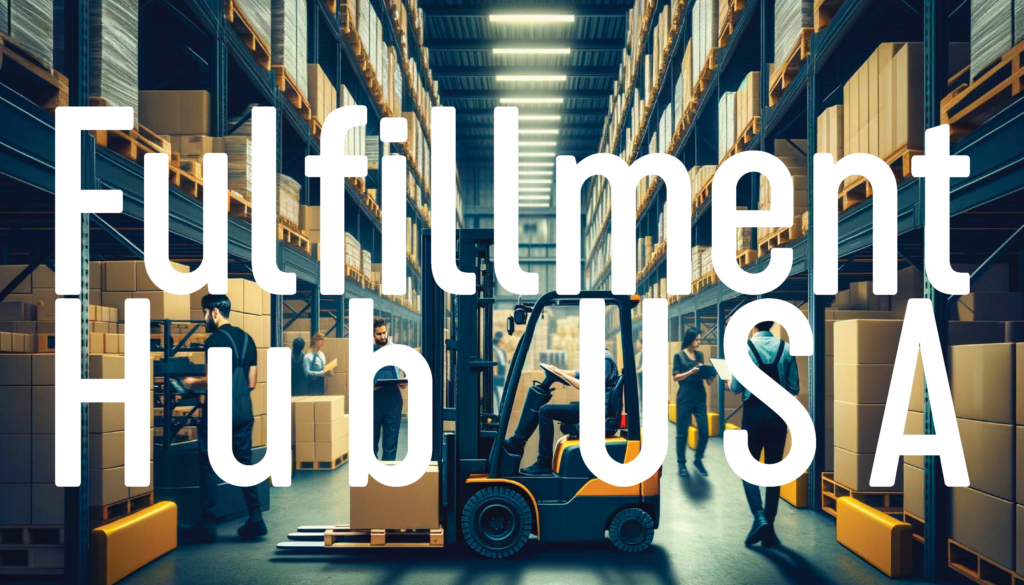
The rise of e-commerce has transformed how goods are stored and shipped. In Los Angeles, fulfillment centers have embraced cutting-edge technologies to streamline operations and meet consumer demands. This article explores the innovative technologies shaping these centers, the benefits they bring, and recent developments that impact the sector.
Key Takeaways
- Automation reduces labor costs and increases efficiency.
- Robotics improve picking accuracy and speed.
- AI enhances inventory management and demand forecasting.
- Real-time data boosts operational visibility and decision-making.
- Sustainable practices are now part of fulfillment strategies.
Table of Contents
- The Role of Automation in Fulfillment
- Robotic Solutions for Efficient Operations
- Artificial Intelligence for Smart Fulfillment
- Embracing Sustainability in Fulfillment Centers
- Latest Developments
- FAQ
- Conclusion
The Role of Automation in Fulfillment
Automation is a game-changer in fulfillment centers, particularly in Los Angeles. Automated systems, such as conveyor belts and sorting machines, streamline the picking and packing process. This reduces the need for manual labor, allowing companies to lower costs and speed up their operations.
For example, companies like Amazon and Walmart have invested heavily in automation, leading to faster shipping times and enhanced productivity. Automation can handle repetitive tasks, which allows human workers to focus on more complex activities.
In short: Automation boosts efficiency while reducing operational costs.
Robotic Solutions for Efficient Operations
Robots play a crucial role in modern fulfillment centers. They assist with picking, packing, and even transporting goods within the warehouse. Companies like GreyOrange are pioneering advanced robotic systems in this area.
These robots navigate the warehouse using advanced sensors and AI, allowing for precision in sorting products. This technology not only speeds up the fulfillment process but also improves accuracy, reducing errors in orders.
For instance, a fulfillment center that uses robots for selecting items has reported a 30% decrease in order fulfillment time.
In short: Robotics enhance operational efficiency and accuracy in fulfillment.
Artificial Intelligence for Smart Fulfillment
Artificial Intelligence (AI) is taking fulfillment technologies to the next level. AI enables better inventory management by analyzing data trends to forecast demand. This helps companies maintain optimal stock levels and reduce wastage.
Companies like Shopify are integrating AI-driven tools that provide real-time insights into inventory, minimizing stockouts and overstocks. AI also streamlines the routing process for deliveries, optimizing travel times and reducing transportation costs.
In short: AI enables smarter inventory management and operational efficiency.
Embracing Sustainability in Fulfillment Centers
Sustainability is becoming a priority in Los Angeles fulfillment centers. Companies are adopting green practices by utilizing energy-efficient technologies and minimizing waste. Many centers are now implementing solar energy systems and eco-friendly packaging.
For example, companies like Target have committed to reducing their carbon footprint by utilizing renewable energy sources and improving recycling programs. These initiatives not only improve the company’s image but can also lead to significant cost savings in the long run.
In short: Sustainable practices are increasingly vital in fulfillment operations.
Latest Developments
As of October 2025, there has been growing emphasis on integrating logistics technology to enhance supply chain resilience. Notably, many fulfillment centers are focusing on hybrid models that combine traditional warehousing with advanced automation solutions. This shift is driven by the need for agility in the face of changing consumer behaviors and disruptions in global supply chains.
In short: Fulfillment centers are increasingly adopting hybrid models to enhance operational resilience.
FAQ
Q: What are the main technologies used in fulfillment centers?
A: The main technologies include automation systems, robotics, artificial intelligence, and sustainability practices.
Q: How do robots improve fulfillment processes?
A: Robots enhance speed and accuracy by efficiently picking and sorting items, reducing errors in order fulfillment.
Q: Why is AI important in fulfillment?
A: AI aids in inventory management, demand forecasting, and optimizing delivery routes, making operations more efficient.
Q: Are fulfillment centers becoming more sustainable?
A: Yes, many fulfillment centers are implementing eco-friendly practices, including renewable energy use and reducing waste.
Q: What role does automation play in cost reduction?
A: Automation minimizes labor costs and speeds up processes, significantly lowering operational expenses.
Conclusion
Innovative technologies are revolutionizing fulfillment centers in Los Angeles. Automation, robotics, AI, and sustainable practices contribute to faster, more efficient, and environmentally friendly operations. As e-commerce continues to grow, these innovations will shape the future of fulfillment.
For more information on fulfillment services, visit Fulfillment Hub USA to explore oure-Commerce Fulfillment Services, as well as ourU.S. warehouse locations
- “The Future of E-commerce Fulfillment.” Forbes, October 2025.
- “Automation in Warehousing and Logistics.” Journal of Supply Chain Management, August 2025.JSCM Article
- “AI in Inventory Management: Trends and Strategies.” Supply Chain Digital, September 2025.
- “Sustainability in Warehousing: Best Practices.” GreenBiz Group, October 2025.GreenBiz