
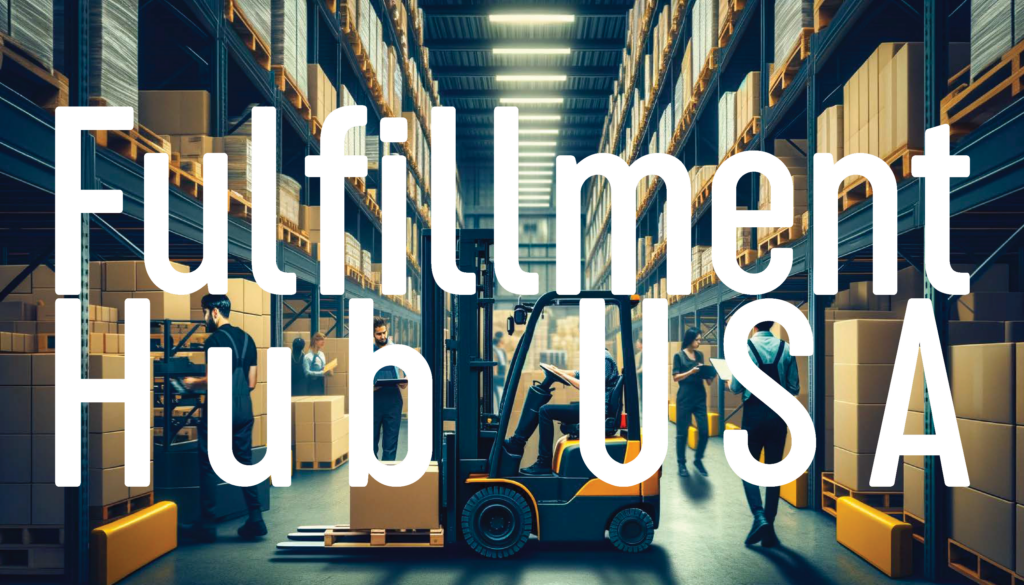
Florida has emerged as a crucial hub for e-commerce fulfillment in recent years. Its strategic location, extensive transportation network, and thriving business climate make it attractive for companies looking to optimize their supply chain. However, understanding the costs associated with using fulfillment centers in Florida is essential for businesses operating in this space. Recent developments, such as rising labor costs and changes in shipping regulations, impact these expenses significantly. This article explores the comprehensive costs involved, offering insights for companies to make informed decisions.
Key Takeaways
- Florida’s fulfillment centers are growing due to e-commerce demands.
- Understanding costs can lead to better financial planning.
- Labor and administrative costs are rising in 2025.
- Transportation efficiencies can reduce overall expenses.
- Location affects shipping times and costs significantly.
- Contract negotiations are crucial for optimizing rates.
Table of Contents
- The Current Landscape of Florida Fulfillment Centers
- Key Cost Factors
- Latest Developments
- Case Study: A Successful Florida Fulfillment Center
- FAQs
- Conclusion
The Current Landscape of Florida Fulfillment Centers
Florida’s fulfillment centers have seen rapid growth due to e-commerce’s rise. In 2025, it’s estimated that Florida will account for a significant portion of U.S. e-commerce logistics. With companies like Amazon and smaller enterprises setting up operations, the demand for efficient fulfillment solutions continues to skyrocket. These centers handle everything from warehousing to shipping, integrating technology for real-time inventory management.
In short: Florida’s fulfillment landscape is booming, making it an essential player in logistics.
Key Cost Factors
To fully grasp the costs associated with Florida fulfillment centers, it’s crucial to break down the major factors.
Labor Costs
Labor expenses have been increasing steadily, with wages in the logistics sector rising due to a competitive job market. As of 2025, average salaries for fulfillment center workers in Florida have seen a notable increase. Factors contributing to this include:
- Increased minimum wage laws.
- Shortage of skilled workers.
- Need for specialized positions in automation and IT.
In short: Higher labor costs are a significant factor affecting fulfillment center budgets.
Storage and Warehousing
Storage fees can vary widely depending on location, size, and the type of items stored. Warehousing expenses generally include:
- Monthly storage fees:Based on cubic feet.
- Handling fees:Charges for receiving and shipping goods.
- Insurance costs:Protection against damage or loss.
Understanding these costs can help businesses optimize their storage needs and avoid unnecessary fees.
In short: Calculating storage and warehousing costs is essential to budgeting effectively.
Transportation Expenses
Transportation costs are another critical component of the total expenses associated with fulfillment centers. These include:
- Shipping fees:Charges vary based on weight, distance, and shipping speed.
- Fuel surcharges:Fluctuating fuel prices can impact overall shipping costs.
- Logistics management:Costs associated with managing transportation routes and analytics.
Optimizing transportation logistics can lead to significant savings and improved shipping times.
In short: Transportation expenses play a major role in the overall cost structure.
Latest Developments
As of May 2025, labor shortages and rising operational costs have prompted many Florida fulfillment centers to invest in automation. Companies are adopting advanced technologies like robot-assisted picking and AI-driven inventory management to reduce labor reliance and streamline operations. This evolution aims to enhance productivity despite rising costs.
In short: Automation is reshaping the landscape of Florida fulfillment centers amidst rising operational costs.
Case Study: A Successful Florida Fulfillment Center
One notable example is a fulfillment center that partnered with multiple e-commerce brands in Florida. By optimizing their layout and utilizing automated systems, they achieved:
- A 30% reduction in order fulfillment time.
- A 25% decrease in labor costs through technology integration.
- 15% lower shipping costs by improving logistics management.
Their approach demonstrates the potential savings businesses can achieve by focusing on efficiency and cost management.
In short: Successful fulfillment centers maximize efficiency to control costs.
FAQs
Q1: How do I choose a Florida fulfillment center?
Choose based on proximity to your customer base, service offerings, and pricing structures. Evaluate their technology and capacity to meet your needs.
Q2: Are there hidden costs in fulfillment services?
Yes, hidden charges may include extra packing, storage of seasonal items, and unexpected shipping costs. Always review contracts carefully.
Q3: What regulations affect fulfillment operations in Florida?
Fulfillment centers must comply with labor laws, safety regulations, and local zoning laws. Staying updated is crucial for operational compliance.
Q4: Can outsourcing fulfillment save me money?
Outsourcing can reduce operational expenses, as it allows access to expertise and technology without heavy investment. However, assess long-term contracts carefully.
Conclusion
Understanding the costs associated with Florida fulfillment centers is essential for e-commerce businesses aiming to thrive. Factors like labor, storage, and transportation significantly impact expenses. Keeping abreast of recent developments, like automation in operations, can aid in effective budgeting. Businesses should prioritize cost management strategies to enhance profitability.
Explore available options in Florida today to optimize your fulfillment needs.
- E-commerce Logistics Growth Report 2025.
- Florida Labor Market Trends 2025.
- Transportation Costs Analysis for 2025.
Fulfillment Hub USA
e-Commerce Fulfillment Services
U.S. warehouse locations