
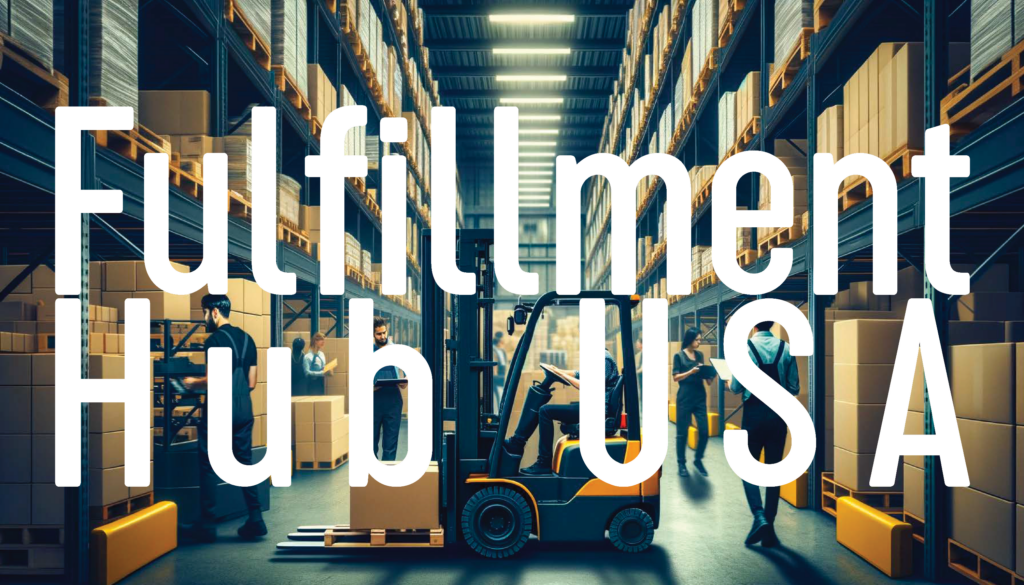
Sustainability is increasingly vital in today’s business landscape, especially in fulfillment centers where environmental impact can be significant. California, known for its environmental initiatives, is leading the way in adopting sustainable practices within these centers. Recent developments focus on reducing waste, increasing energy efficiency, and promoting eco-friendly materials. This article explores sustainability practices in California’s fulfillment centers, highlighting innovative strategies and recent trends that are reshaping the industry.
Key Takeaways
- California prioritizes eco-friendly efforts in fulfillment centers.
- Innovative strategies reduce waste and increase energy efficiency.
- Renewable energy sources are being increasingly utilized.
- Sustainable packaging reduces environmental impact significantly.
- Partnerships with local regulations enhance green practices.
Table of Contents
- Understanding Sustainability in Fulfillment Centers
- Key Sustainable Practices Adopted
- Latest Developments in California
- Challenges and Solutions
- Frequently Asked Questions
- Conclusion
Understanding Sustainability in Fulfillment Centers
Sustainability in fulfillment centers refers to practices that minimize the environmental impact of operations. This includes energy conservation, waste reduction, and the use of sustainable materials. For instance, utilizing renewable energy sources, like solar and wind, is a key element.
Example: Energy Efficiency
Many fulfillment centers are now using energy-efficient lighting and heating systems. For instance, a company may choose to install LED lighting, which consumes significantly less energy compared to traditional bulbs.
In short: Sustainability in fulfillment centers focuses on reducing environmental impact while maintaining efficiency.
Key Sustainable Practices Adopted
California’s fulfillment centers are employing several sustainable practices, including:
1. Renewable Energy Use
Many centers are shifting to renewable energy sources. This includes solar panels installed on rooftops and purchasing green energy through local utilities.
2. Efficient Waste Management
Fulfillment centers are adopting zero-waste policies. This involves recycling materials, composting organic waste, and donating excess materials, reducing landfill contributions.
3. Sustainable Packaging Solutions
Using recyclable and biodegradable packaging is becoming the norm. Companies are innovating by replacing plastic with materials like recycled cardboard or biodegradable films.
4. Transportation Optimization
Sustainable practices extend to logistics. By optimizing delivery routes and using electric or hybrid vehicles, fulfillment centers can reduce their carbon footprint significantly.
In short: Fulfillment centers in California are embracing a variety of sustainable practices that lessen their environmental impact.
Latest Developments in California
Innovative Regulations and Initiatives
In the last few months, California has seen a surge in initiatives aimed at enhancing sustainability in fulfillment operations. On February 12, 2025, Governor Gavin Newsom announced a new incentive program for companies that implement sustainable practices in logistics. This includes financial assistance for greener technology and infrastructure improvements.
Industry Collaborations
Furthermore, several major fulfillment companies have partnered with local governments to develop sustainability guidelines. This collaboration aims to set industry standards, focusing on reducing emissions and promoting sustainable operations.
In short: Recent regulatory changes and industry partnerships are advancing sustainability in California’s fulfillment centers.
Challenges and Solutions
While the shift towards sustainability brings numerous benefits, it also presents challenges.
Potential Barriers
- High Initial Costs: Transitioning to renewable energy systems and sustainable packaging may require significant upfront investment.
- Supply Chain Issues: Sourcing sustainable materials can be challenging, especially for smaller companies.
Proposed Solutions
- Government Subsidies: Leveraging state and federal incentives can offset initial costs.
- Building Partnerships: Collaborating with sustainable suppliers and local businesses can help streamline the acquisition of eco-friendly materials.
In short: Addressing challenges through financial support and partnerships is crucial for sustainable fulfillment practices.
Frequently Asked Questions
What is a fulfillment center’s role in sustainability?
Fulfillment centers manage the warehousing and distribution of goods. By adopting sustainable practices, they minimize their environmental impact during storage and shipping.
How do renewable energy sources benefit fulfillment centers?
Renewable energy reduces reliance on fossil fuels, decreases greenhouse gas emissions, and can lower energy costs in the long run.
In what ways can sustainable packaging be cost-effective?
Sustainable packaging can lower waste disposal costs and appeal to eco-conscious consumers, potentially increasing sales.
What challenges do fulfillment centers face when going green?
Common challenges include the high cost of upfront investments in green technologies and the complexity of sourcing sustainable materials.
How are consumer preferences changing in relation to sustainability?
More consumers prefer businesses that practice sustainability. This trend encourages fulfillment centers to adopt eco-friendly practices to attract customers.
In short: Sustainability is becoming an essential component in the operations of fulfillment centers due to consumer demand and regulatory pressure.
Conclusion
Sustainability practices in California fulfillment centers are crucial for minimizing environmental impact. Recent developments, including new regulations and innovative partnerships, showcase the state’s commitment to green practices. Businesses can take actionable steps toward sustainability, contributing to a healthier planet. For companies looking to stay competitive, adopting these practices is not just a choice but a necessity.
- California State Government. “Sustainable Business Guidelines.”Link
- GreenBiz. “Fulfillment Centers Go Green: Trends and Innovations.”Link
- Environmental Protection Agency. “Renewable Energy Use in Logistics.”Link
- Supply Chain Dive. “New Regulations on Green Practices for California Fulfillment Centers.”
Fulfillment Hub USA
e-Commerce Fulfillment Services
U.S. warehouse locations