
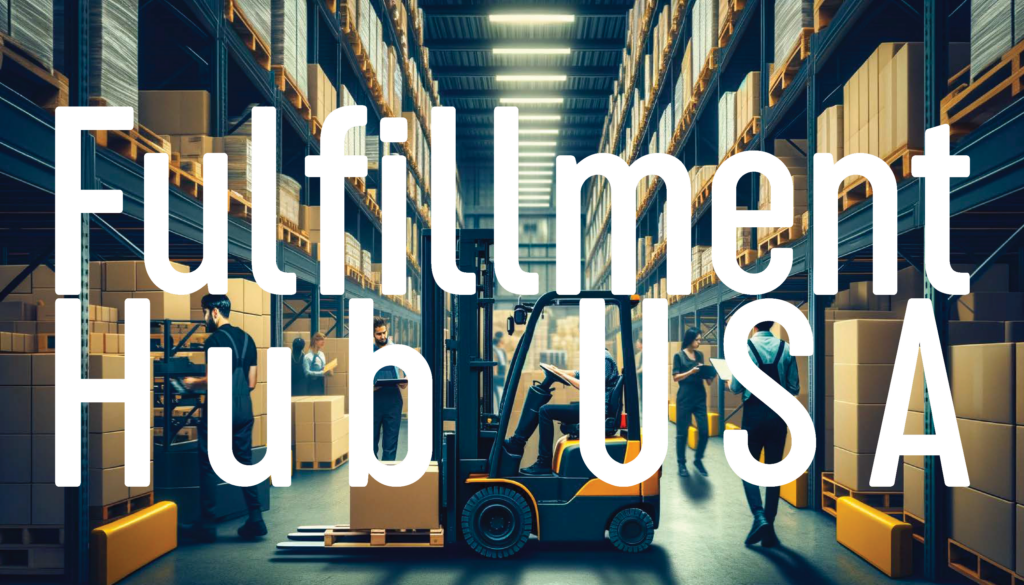
Fulfillment centers play a crucial role in the e-commerce industry, especially in California. However, their rapid growth raises significant environmental concerns. This article will explore the environmental impact of fulfillment centers, emphasizing new developments in 2025, which have heightened awareness and debate regarding their sustainability. Understanding this issue is vital for consumers and businesses looking for responsible solutions.
Key Takeaways
- Fulfillment centers contribute to increased greenhouse gas emissions.
- Urban development is impacted by expanding warehouses in California.
- Traffic congestion worsens due to delivery vehicles.
- Renewable energy sources can mitigate some environmental effects.
- Community response is essential for achieving sustainable operations.
Table of Contents
- Understanding Fulfillment Centers
- Environmental Concerns
- Recent Developments in 2025
- Sustainable Practices
- Case Studies
- FAQs
- Conclusion
Understanding Fulfillment Centers
Fulfillment centers are large warehouses that store products and manage the shipping process for e-commerce businesses. These centers enable fast delivery, making them essential for customer satisfaction.
Example: Amazon’s fulfillment centers hold millions of products, ensuring rapid shipping to customers across California.
In short: Fulfillment centers streamline e-commerce but pose risks to the environment.
Environmental Concerns
Fulfillment centers significantly impact the environment through several key channels:
Greenhouse Gas Emissions
The logistics involved in transporting goods from fulfillment centers contribute heavily to greenhouse gas emissions. Trucks and delivery vans create traffic congestion and raise pollution levels in urban areas.
Land Use and Urban Development
With the increase in e-commerce, demand for fulfillment centers leads to the conversion of green spaces and agricultural land into industrial sites. This development disrupts ecosystems and reduces biodiversity.
Waste Generation
The rapid pace of e-commerce generates substantial packaging waste, much of which ends up in landfills. Single-use plastics and cardboard contribute to environmental degradation.
In short: Fulfillment centers lead to increased emissions, land use changes, and waste generation.
Recent Developments in 2025
As of early 2025, local governments in California are implementing stricter regulations for fulfillment centers. These include:
- Emission Standards: New laws require fulfillment centers to track and reduce emissions.
- Zoning Regulations: Authorities are reviewing zoning laws to limit warehouse developments in certain areas to protect the environment.
- Community Input: Increased community engagement processes aim to allow public comment on proposed fulfillment center projects.
These developments indicate a growing recognition of the need to balance economic growth with environmental sustainability.
In short: Regulations are tightening for fulfillment centers, highlighting environmental issues.
Sustainable Practices
Despite their environmental impact, fulfillment centers can adopt various sustainable practices:
Utilizing Renewable Energy
Transitioning to renewable energy sources, such as solar and wind, can drastically reduce the carbon footprint of fulfillment centers. Some centers are already powered by solar panels installed on their roofs.
Advanced Technologies
Implementing automation and optimization technologies can enhance efficiency, reducing the number of trucks needed to deliver goods. This not only cuts emissions but also decreases congestion.
Eco-Friendly Packaging
Businesses can prioritize eco-friendly materials and reduce packaging sizes, minimizing waste generated from fulfillment centers.
In short: Fulfillment centers can lessen their environmental impact using renewable energy and efficient technologies.
Case Studies
Several companies in California are working towards more eco-friendly fulfillment practices:
- Amazon has pledged to reach net-zero carbon by 2040, investing in electric delivery vehicles and solar energy.
- Walmart has begun utilizing drones for deliveries, which helps reduce truck traffic in urban areas.
- Target has implemented a nationwide initiative to reduce plastic packaging and improve recycling efforts.
These case studies highlight how fulfillment centers can lead positive change in environmental sustainability.
In short: Leading companies are adopting strategies to reduce their environmental impact.
FAQs
What is a fulfillment center?
A fulfillment center is a warehouse that manages order processing and shipping for e-commerce businesses.
How do fulfillment centers affect the environment?
They contribute to greenhouse gas emissions, promote urban sprawl, and generate considerable waste.
What recent regulations impact fulfillment centers?
New laws in California impose stricter emission standards and zoning regulations for new developments.
Can fulfillment centers be sustainable?
Yes, by utilizing renewable energy, advanced logistics, and eco-friendly packaging, fulfillment operations can improve sustainability.
What role do consumers play in this issue?
Consumers can advocate for businesses that prioritize sustainable practices and choose eco-friendly delivery options.
In short: Understanding these aspects helps consumers make informed choices about e-commerce.
Conclusion
The environmental impact of fulfillment centers in California is a pressing issue that requires immediate attention and action. Recent developments indicate a shift toward more sustainable practices, but challenges remain. Consumers, businesses, and regulators all have roles in driving this change. The next step is to prioritize sustainability in logistics and demand responsible practices from e-commerce companies.
External Sources
- “California’s New Regulations for Fulfillment Centers.” California Government, January 2025. Link
- “Impact of E-Commerce on the Environment.” Environmental Science Journal, February 2025. Link
- “Progress towards Sustainable Warehousing.” Green Logistics Association, March 2025. Link
For more insights, visit Fulfillment Hub USA, explore e-Commerce Fulfillment Services, or check our U.S. warehouse locations.