
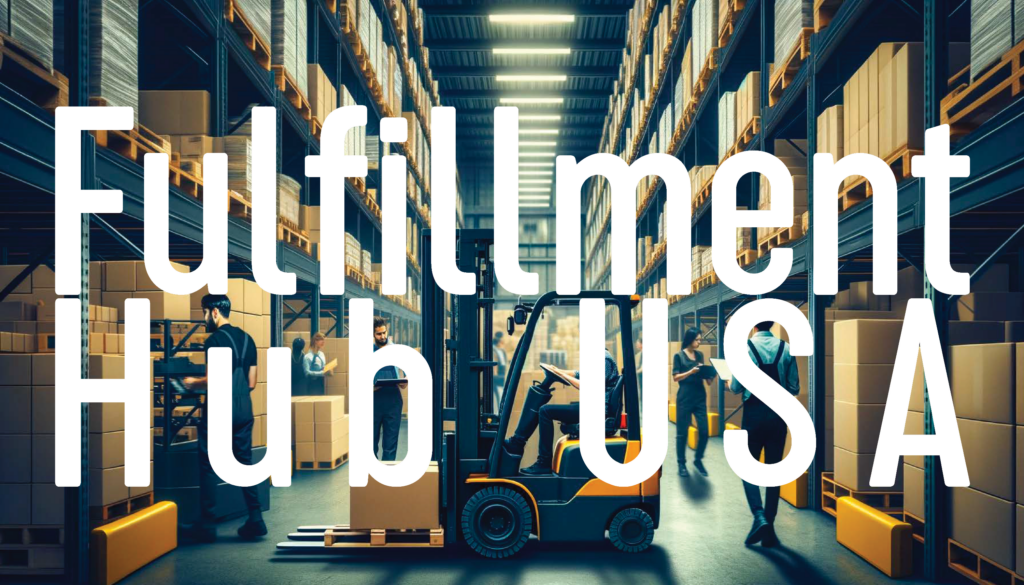
The e-commerce landscape has been rapidly evolving, especially as consumer expectations shift towards faster delivery and seamless online experiences. Los Angeles, as a key player in this transformation, plays a crucial role in shaping the future of e-commerce through enhanced fulfillment center strategies. Recent developments in technology, consumer behavior, and logistics networks are all contributing factors. This article explores what those changes mean for the future of e-commerce, focusing on fulfillment centers in the Los Angeles area.
Key Takeaways
- E-commerce growth demands speed and efficiency in fulfillment.
- LA fulfillment centers leverage advanced technologies to boost productivity.
- Sustainability is becoming integral to operations in e-commerce.
- Collaboration among supply chain partners enhances delivery effectiveness.
- Consumer preferences shift towards personalized shopping experiences.
Table of Contents
- Current Trends in E-Commerce
- Role of LA Fulfillment Centers
- Technological Innovations Shaping Fulfillment
- Sustainable Practices in Fulfillment
- Challenges Ahead
- FAQ
- Conclusion
Current Trends in E-Commerce
E-commerce has witnessed unprecedented growth recently. According to industry reports, by 2025, global e-commerce sales are expected to surpass $6 trillion. This growth is largely driven by changing consumer behavior, including a preference for online shopping and expectations of rapid fulfillment. Customers now desire same-day or next-day delivery options, compelling retailers to optimize their supply chains.
In short:
E-commerce is growing rapidly, driven by consumer demand for faster service.
Role of LA Fulfillment Centers
Los Angeles is strategically located, making it a hub for e-commerce logistics. Fulfillment centers in this area allow retailers to serve a vast population quickly and effectively. These centers employ a variety of strategies to meet demand, such as:
- Local Delivery Networks: Many companies partner with local delivery services for quicker shipments.
- Inventory Management: Advanced systems help track products in real-time, ensuring stock availability.
- Geographic Distribution: Fulfillment centers are often distributed around L.A. to cover wide areas efficiently.
In short:
LA fulfillment centers are essential for quick, effective service, leveraging local networks and technology.
Technological Innovations Shaping Fulfillment
The future of e-commerce fulfillment is significantly influenced by technology. Key innovations include:
- Automation: Robotics and automated systems streamline picking and packing processes, reducing errors and time.
- Artificial Intelligence: AI-driven analytics help predict demand, optimize inventory, and personalize consumer experiences.
- Blockchain Technology: Enhances transparency in supply chains, building trust with customers about the origin and delivery of products.
In short:
Technology is enhancing speed and accuracy in fulfillment, making e-commerce more efficient.
Sustainable Practices in Fulfillment
Sustainability is becoming a priority for e-commerce businesses. Many LA fulfillment centers are adopting eco-friendly practices, including:
- Green Packaging: Using recyclable and biodegradable materials reduces waste.
- Energy Efficiency: Solar panels and energy-efficient systems cut down carbon footprints.
- Carbon Offset Programs: Some companies now invest in sustainability initiatives to offset shipping emissions.
In short:
Sustainable practices in fulfillment are critical for reducing environmental impact.
Challenges Ahead
Despite the advancements, several challenges remain, including:
- Staffing Issues: The demand for skilled workers in logistics and fulfillment continues to grow.
- Supply Chain Disruptions: Global events can impact inventory levels and delivery timelines.
- Cost Management: Balancing speed of delivery with cost efficiency is an ongoing challenge for retailers.
In short:
E-commerce fulfillment faces challenges like staffing and supply chain disruptions, impacting performance.
FAQ
Q: What are fulfillment centers?
A: Fulfillment centers receive, process, and store products to prepare for shipping to customers, enabling quicker delivery.
Q: How is technology changing fulfillment practices?
A: Technology automates processes, improves inventory accuracy, and enables better demand forecasting.
Q: Why is sustainability important in e-commerce?
A: Sustainability minimizes environmental impact and aligns with consumer preferences for eco-friendly practices.
Q: What role do partnerships play in e-commerce logistics?
A: Collaborating with logistics partners enhances capabilities, improving delivery speed and reducing costs.
Q: How can businesses improve fulfillment efficiency?
A: By adopting automation, optimizing inventory management, and enhancing supply chain transparency.
Conclusion
The future of e-commerce in Los Angeles heavily relies on innovative fulfillment strategies. As businesses adapt to meet consumer demands for speed, sustainability, and personalization, fulfillment centers will continue to play a pivotal role. To remain competitive, e-commerce retailers must embrace technology and collaboration within their supply chains.
- “E-commerce Trends Report 2025,” E-commerce World,View Source
- “The Rise of Fulfillment Centers in LA,” Supply Chain Magazine,View Source
- “Sustainability in Logistics,” Green Logistics Journal,
- “Emerging Technologies in E-Commerce,” Tech Innovations,View Source
For more insights on logistics, check these links:Fulfillment Hub USA,e-Commerce Fulfillment Services, andU.S. warehouse locations