
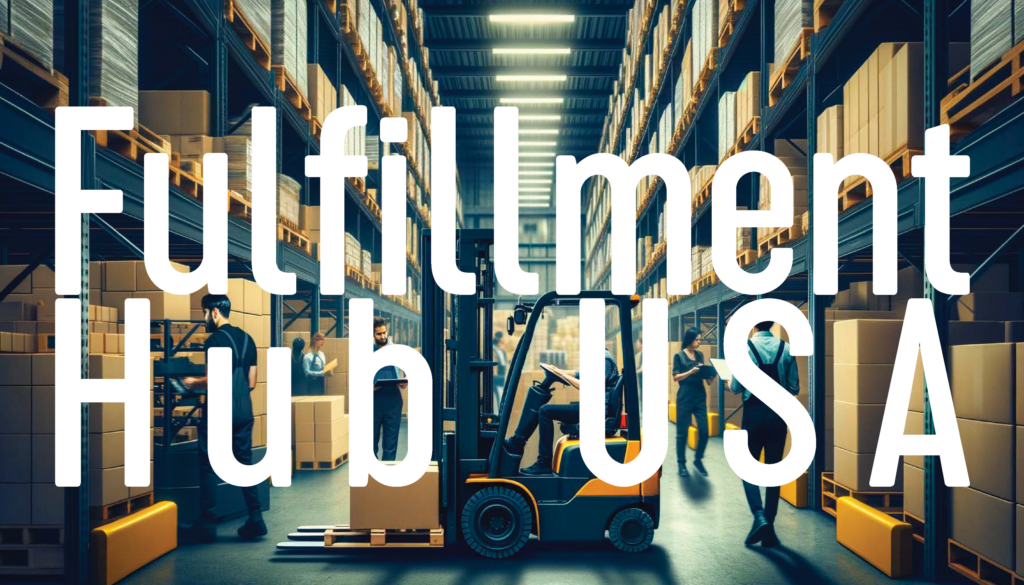
The e-commerce landscape is rapidly evolving, particularly on the West Coast, where warehousing innovations are reshaping fulfillment strategies. These advances focus on improving shipping speeds, reducing costs, and enhancing customer satisfaction. Recent developments indicate a shift towards automation and sustainability in warehousing practices, making it crucial for businesses to adapt. As these technologies continue to advance, keeping pace could determine a retailer’s success in this competitive environment.
Key Takeaways
- Advanced automation can significantly reduce order processing times.
- Sustainability practices are becoming essential for modern warehouses.
- Enhanced data analytics improves inventory management.
- Robotics streamline operations and reduce workforce strain.
- Real-time tracking enhances customer experience.
- E-commerce growth is driving demand for innovative warehousing solutions.
Table of Contents
- The Role of Automation in Warehousing
- Sustainability Initiatives in E-commerce Warehousing
- Data Analytics for Inventory Management
- The Impact of Robotics on Fulfillment
- Recent Developments in West Coast Warehousing
- FAQs
- Conclusion
The Role of Automation in Warehousing
Automation is a cornerstone of modern warehousing. Automated systems help streamline operations, minimize human error, and enhance efficiency. This includes technologies like Automated Storage and Retrieval Systems (ASRS) and conveyor systems that speed up the picking and packing process. These innovations ensure that orders are processed faster, leading to increased customer satisfaction.
Examples of Automation
- Robotic Pickers:Robots that can locate and pick items from shelves without human intervention.
- Automated Sorting Systems:These systems categorize packages for shipping, reducing manual handling.
In short: Automation is revolutionizing warehousing by enhancing efficiency and speed.
Sustainability Initiatives in E-commerce Warehousing
As environmental concerns grow, sustainability has become a focal point for e-commerce businesses. Many West Coast warehouses are adopting green practices to reduce their carbon footprint. This includes using renewable energy sources, recycling packaging materials, and implementing energy-efficient technologies.
Examples of Sustainable Practices
- Solar Power:Warehouses are installing solar panels to power operations.
- Eco-Friendly Packaging:Companies are switching to biodegradable packaging options.
In short: Sustainable practices are becoming a necessity in modern warehousing to meet consumer expectations.
Data Analytics for Inventory Management
Data analytics allows businesses to optimize their inventory management processes. By analyzing sales patterns and customer behavior, warehouses can maintain the right stock levels and reduce excess inventory. This not only improves cash flow but also enhances customer service by ensuring popular products are always in stock.
Key Benefits of Data Analytics
- Predictive Analytics:Anticipates demand trends and adjusts inventory accordingly.
- Stock Optimization:Helps in finding the right balance between supply and demand.
In short: Effective data analytics is essential for efficient inventory management in e-commerce.
The Impact of Robotics on Fulfillment
Robotics in warehousing is transforming how fulfillment operations are conducted. Robots support human workers by handling repetitive tasks, allowing them to focus on more complex responsibilities. This not only increases operational efficiency but also reduces worker fatigue.
Benefits of Robotics
- Increased Accuracy:Robots minimize picking errors, ensuring high order accuracy.
- Speed:Robotic systems can operate continuously, leading to faster processing times.
In short: Robotics significantly enhance fulfillment efficiency and accuracy in warehouses.
Recent Developments in West Coast Warehousing
The West Coast has seen a surge in innovative warehousing solutions in recent months. Companies are increasingly investing in technologies that enhance speed and efficiency. For example, Amazon announced its plan to open a fully automated warehouse in California, set to begin operations in early 2025. This warehouse will utilize cutting-edge robotics and AI to optimize the fulfillment process.
Latest Developments
- September 2025:Amazon reveals plans for a state-of-the-art automated warehouse on the West Coast.
- October 2025:Numerous local businesses begin adopting eco-friendly initiatives in fulfillment practices.
In short: Recent innovations on the West Coast highlight a shift towards automation and sustainability in warehousing.
FAQs
What is the future of e-commerce warehousing?
The future includes more automation, robotics, and sustainable practices to streamline fulfillment processes.
How does automation benefit e-commerce?
Automation reduces processing times, decreases errors, and enhances operational efficiency.
Why is sustainability important for warehouses?
Sustainability meets consumer expectations and helps reduce the environmental impact of operations.
What role does data analytics play in e-commerce?
Data analytics improves inventory management and helps businesses anticipate market trends.
What advancements are seen in robotics for warehousing?
Robotics enhances picking accuracy, processing speed, and can alleviate workforce strain.
Conclusion
In conclusion, the future of e-commerce on the West Coast hinges on innovative warehousing solutions. By embracing automation, sustainability, and data analytics, businesses can enhance their fulfillment strategies and meet growing customer demands. The next step is for businesses to evaluate their current operations and consider integrating these innovative practices.
Fulfillment Hub USA
e-Commerce Fulfillment Services
U.S. warehouse locations