
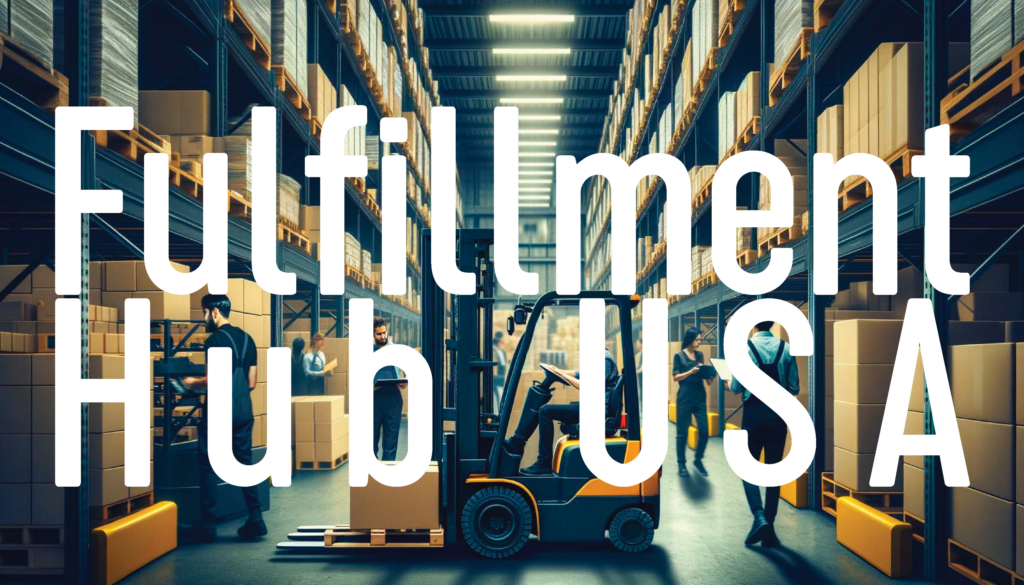
The wholesale fulfillment landscape is evolving rapidly. With globalization, businesses face new challenges and opportunities in logistics and supply chain management. As e-commerce continues to thrive, so does the demand for efficient, reliable fulfillment services. Understanding future trends in wholesale fulfillment services is vital for businesses to succeed in a competitive marketplace.
Key Takeaways
- Increased automation enhances efficiency in fulfillment services.
- Sustainability practices are becoming crucial for businesses.
- Technology integration streamlines supply chain processes.
- Real-time data analytics improves decision-making.
- Customer expectations for speed and accuracy are rising.
Table of Contents
- What is Wholesale Fulfillment?
- Key Trends Shaping Wholesale Fulfillment
- Automation in the Fulfillment Process
- Sustainability in Wholesale Fulfillment
- Technology Integration
- Challenges and Solutions
- FAQs
- Conclusion
What is Wholesale Fulfillment?
Wholesale fulfillment involves the processes of receiving goods from manufacturers or suppliers, storing them, and delivering them to retailers or end consumers. This service allows businesses to focus on sales and marketing while ensuring that inventory and logistics are managed effectively.
For instance, a company selling outdoor gear may rely on a wholesale fulfillment service to handle its storage, order picking, and shipping, enabling them to concentrate on customer engagement.
Key Trends Shaping Wholesale Fulfillment
Several trends are currently influencing the future of wholesale fulfillment services:
Globalization and Supply Chain Variability
As markets expand internationally, businesses face more variability in supply chains. Companies need to adapt to customs regulations, tariffs, and local market conditions.
In short:Globalization increases complexity in supply chains but also opens up new markets.
Rise of E-commerce
The growth of e-commerce has revolutionized wholesale fulfillment. Businesses require faster and more efficient services to meet consumer demands for quick delivery.
In short:E-commerce growth necessitates faster fulfillment solutions.
Automation in the Fulfillment Process
Automation is at the forefront of the fulfillment revolution. Technologies such as robotics and AI are transforming how warehouses operate. Automated systems can significantly reduce errors and increase speed.
-
Robotic Picking: Robots assist in locating and picking items, expediting the process.
-
Automated Inventory Management: Systems track inventory levels and alert companies when restocking is necessary.
-
Shipping Automation: Automated systems streamline shipping label creation and documentation.
In short:Automation enhances efficiency and reduces costs in fulfillment.
Sustainability in Wholesale Fulfillment
Today, sustainability is not just a trend; it’s a necessity. Consumers want to know that their purchases are environmentally friendly. Fulfillment services are responding with greener practices, such as:
- Using eco-friendly packaging materials
- Implementing energy-efficient technologies in warehouses
- Reducing waste through improved logistics
In short:Sustainability is essential for modern fulfillment operations.
Technology Integration
As technology advances, fulfillment services are leveraging software and analytical tools to predict trends and manage inventory efficiently.
Key Technologies Include
- Real-time Analytics: Provides insights into inventory levels and customer preferences.
- Cloud-Based Solutions: Facilitates quick access to data across locations.
This integration enables businesses to react swiftly to market changes, enhancing customer satisfaction.
In short:Technology integration is key to optimizing fulfillment efficiency.
Challenges and Solutions
While the future looks promising, several challenges persist.
Common Challenges
- Supply Chain Disruptions: Global issues can halt production and delivery.
- Meeting Delivery Expectations: Customers expect faster shipping times.
Solutions
- Diversifying Suppliers: Reduces dependency on single sources.
- Investing in Flexible Technology: Allows rapid adjustment to changing demands.
FAQs
What role does technology play in wholesale fulfillment?
Technology streamlines processes and improves accuracy. Systems can predict inventory needs and automate various aspects of shipping.
How can businesses ensure sustainability in their fulfillment processes?
Implementing eco-friendly practices, such as using recyclable materials and optimizing shipping routes, can enhance sustainability.
What are the benefits of automation in fulfillment?
Automation increases speed and efficiency while reducing human error and operational costs.
Why is real-time data important for fulfillment services?
Real-time data allows businesses to make informed decisions quickly, enhancing customer satisfaction through improved service.
Conclusion
Wholesale fulfillment services play a critical role in the success of businesses operating in a global market. Trends such as automation, sustainability, and technology integration will shape the future landscape of these services. Businesses need to adapt to these changes to remain competitive and meet consumer expectations. Staying informed and proactive is key.
- “The Future of Fulfillment: Trends to Watch” –
- “E-commerce Logistics: The Future of Supply Chain” –
- “How Automation is Changing Warehouse Operations” –
- “Sustainability in the Supply Chain” –
Explore more about fulfillment strategies and services atFulfillment Hub USAor learn about our comprehensivee-Commerce Fulfillment Services. For details onU.S. warehouse locations, visit our website.