
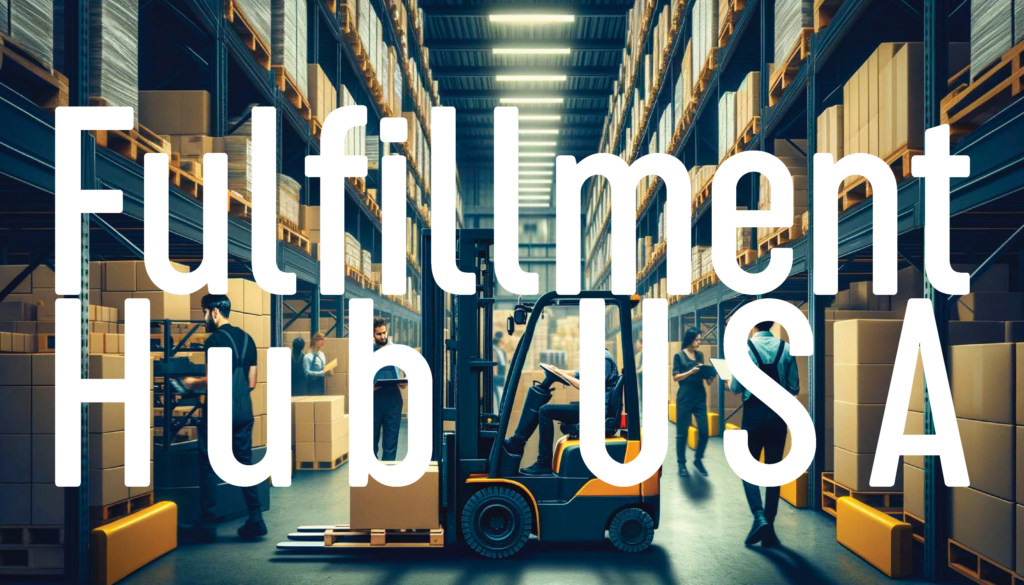
In 2023, the landscape of food and beverage fulfillment is continually evolving. The surge in online orders has led businesses to rethink their fulfillment strategies. Efficient fulfillment does not just ensure timely delivery; it can significantly boost customer satisfaction and loyalty. Recent updates in technology and logistics can help businesses adapt to the increasing demand and maintain a competitive edge. This article dives into the reasons why efficient food and beverage fulfillment is crucial this year and explores strategies for improvement.
Key Takeaways
- Efficient fulfillment enhances customer satisfaction and loyalty.
- Advanced technology streamlines order processing and tracking.
- Sustainability practices are becoming essential in distribution.
- Optimizing logistics reduces costs and delivery times.
- Real-time data analytics improve decision-making.
Table of Contents
- Understanding Food & Beverage Fulfillment
- The Role of Technology in Fulfillment
- Sustainability in Fulfillment Practices
- Logistics Optimization Strategies
- Case Studies: Successful Fulfillment Innovations
- Latest Developments
- FAQs
- Conclusion
Understanding Food & Beverage Fulfillment
Food and beverage fulfillment involves the entire process of receiving, processing, and delivering orders to customers. This includes inventory management, packaging, and shipping. For example, a restaurant that receives an online order needs to efficiently pick, pack, and deliver the meal to ensure it arrives warm and fresh.
In short: Fulfillment is critical for ensuring food quality and timely delivery.
The Role of Technology in Fulfillment
Technology plays a pivotal role in enhancing fulfillment efficiency. Developments in automated warehouses and artificial intelligence enable businesses to process orders faster and with greater accuracy. For instance, robotics can handle packing and sorting, reducing human error and increasing speed.
Key Technologies in Fulfillment
- Automated Warehousing: Use of robots to pick and pack orders.
- Cloud-Based Management Systems: Streamline inventory and order management.
- Tracking Software: Offers real-time updates to customers regarding their orders.
In short: Leveraging technology can streamline the fulfillment process and improve customer experience.
Sustainability in Fulfillment Practices
Sustainability has become a significant consideration in food and beverage fulfillment. More consumers are opting for brands that prioritize eco-friendly practices. This can include sustainable packaging solutions and reducing carbon footprints during transportation.
Sustainable Fulfillment Strategies
- Recyclable Packaging: Utilizing materials that are easier to recycle.
- Local Sourcing: Reducing shipping distances by sourcing locally.
- Energy-Efficient Transportation: Using electric vehicles or optimizing delivery routes.
In short: Sustainable practices can enhance brand loyalty among environmentally conscious consumers.
Logistics Optimization Strategies
A well-organized logistics framework is essential for efficient fulfillment. Optimizing logistics can help minimize costs and delivery times.
Steps to Optimize Logistics
- Use Route Optimization Software: This can reduce travel time and fuel costs.
- Consolidate Shipments: Combine orders where possible to streamline deliveries.
- Negotiate with Multiple Carriers: Explore different shipping options to find the best rates.
In short: Effective logistics management is crucial for meeting customer expectations.
Case Studies: Successful Fulfillment Innovations
Several companies stand out for their success in food and beverage fulfillment innovations. Companies like Domino’s have integrated technology to enhance their delivery systems, enabling tracking and swift customer feedback.
Example: Domino’s Pizza Tracker
The company uses an innovative tracking system that allows customers to see their order status in real time. This transparency improves customer satisfaction and reduces anxiety about delivery times.
In short: Innovative case studies demonstrate the effectiveness of enhanced fulfillment strategies.
Latest Developments
As of early 2023, companies are increasingly integrating artificial intelligence (AI) into their fulfillment strategies. AI is being used to analyze purchasing data, allowing businesses to better predict customer demands. This leads to more efficient inventory management and order fulfillment, ensuring that stock levels reflect real-time customer needs.
In short: Recent AI advancements are transforming fulfillment processes.
FAQs
What is food and beverage fulfillment?
Food and beverage fulfillment refers to the processes involved in receiving and delivering food orders efficiently, ensuring quality and timeliness.
How can technology improve fulfillment efficiency?
Technological solutions like automation, real-time tracking, and cloud-based management systems streamline order processing, increase accuracy, and enhance customer experience.
Why is sustainability important in fulfillment?
Sustainability is crucial as consumers increasingly favor brands that implement eco-friendly practices, contributing to brand loyalty and a better public image.
What strategies can optimize logistics for fulfillment?
Utilizing route optimization software, consolidating shipments, and negotiating with multiple carriers are effective strategies to enhance logistics efficiency.
How can businesses ensure customer satisfaction in fulfillment?
By focusing on speed, accuracy, and communication regarding order status, companies can greatly enhance customer satisfaction during the fulfillment process.
Conclusion
Efficient food and beverage fulfillment remains a critical element of business success in 2023. By leveraging technology, adopting sustainable practices, and optimizing logistics, companies can meet the growing expectations of consumers. As the market continues to evolve, focusing on these aspects will position businesses for ongoing success. Take action today by exploring options for enhancing your fulfillment processes.
External sources
- “The Future of Food Delivery: Trends to Watch in 2023,” Food Industry News.
- “How Automation Is Transforming Food Fulfillment,” Tech Trends.
- “Sustainable Practices in Food Delivery,” Eco Business.
- “Innovations in Food Supply Chain Management,” Supply Chain Journal.
- “2023 Fulfillment Trends: What Businesses Need to Know,” Retail Insights.
For more information on fulfillment solutions, visit links: