
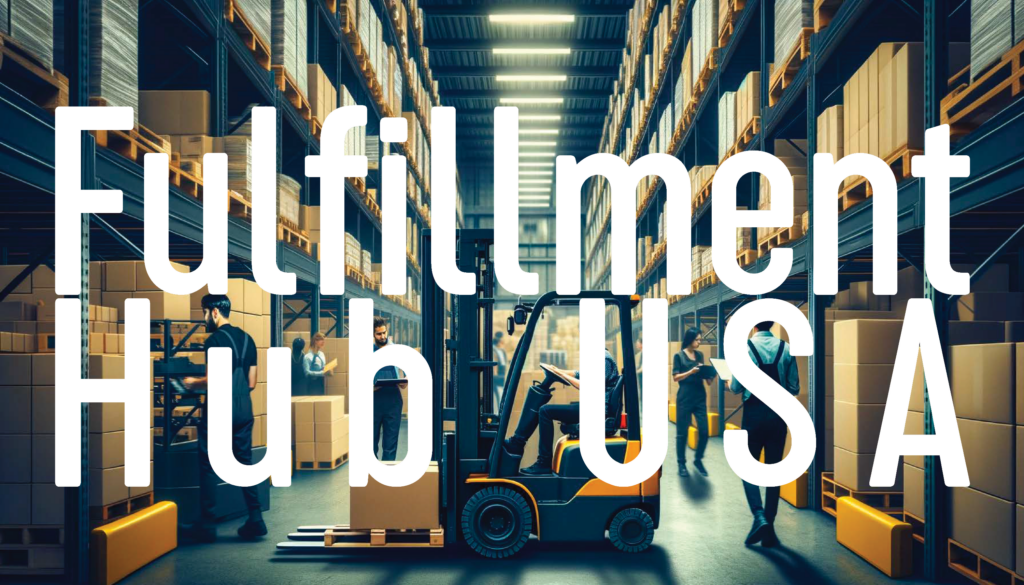
In today’s fast-paced food and beverage industry, inventory management plays a crucial role in ensuring efficiency and customer satisfaction. As consumer demand ebbs and flows, businesses must maintain optimal stock levels to avoid shortages or waste. Recent developments in supply chains and technology are reshaping how companies manage their inventory, making it essential for operators to adapt to new methods. This article delves into the importance of inventory management in food and beverage fulfillment.
Key Takeaways
- Effective inventory management reduces food waste and enhances profitability.
- Advanced technology aids in real-time tracking and analysis.
- Accurate forecasting can boost customer satisfaction and retention.
- Proper stock levels minimize disruptions in supply chains.
- Collaborating with reliable suppliers streamlines inventory processes.
Table of Contents
- What is Inventory Management in Food & Beverage?
- Benefits of Effective Inventory Management
- Latest Developments in Inventory Management
- Steps to Optimize Inventory Management
- FAQs
- Conclusion
- External Sources
What is Inventory Management in Food & Beverage?
Inventory management involves overseeing and controlling the ordering, storage, and use of food and beverage products. It ensures that businesses have the right amount of products on hand to meet customer demand without overstocking or understocking.
Example
For a restaurant, this could mean maintaining just the right amount of fresh produce to prepare daily specials without excessive leftovers.
In short: Inventory management in food and beverage ensures that products are available while minimizing waste.
Benefits of Effective Inventory Management
Effective inventory management brings various advantages for businesses in the food and beverage sector:
- Cost Efficiency: By minimizing excess inventory, businesses lower holding costs, which can lead to higher profit margins.
- Improved Ordering: With accurate data, companies can make informed decisions on purchasing, helping to avoid stockouts or spoilage.
- Enhanced Customer Experience: Maintaining adequate stock levels ensures that customers receive their desired products promptly, increasing loyalty.
In short: Effective inventory management directly impacts cost savings and customer satisfaction.
Latest Developments in Inventory Management
As of August 2025, several key trends are shaping inventory management in the food and beverage industry:
1. Automation and AI
Many businesses are incorporating automated systems and artificial intelligence (AI) to enhance inventory tracking and forecasting. These technologies can analyze patterns and predict demand more accurately, reducing the risk of stockouts.
2. Real-Time Data Tracking
The implementation of IoT (Internet of Things) devices is enabling real-time monitoring of inventory levels and conditions, providing businesses with valuable insights into stock performance.
3. Sustainable Practices
Many companies are adopting sustainable practices by leveraging advanced analytics to optimize inventory levels and minimize waste, aligning with growing consumer demand for environmentally responsible practices.
In short: Recent advances in technology are making inventory management more efficient and environmentally friendly.
Steps to Optimize Inventory Management
To enhance inventory management in the food and beverage industry, consider these steps:
-
Implement Inventory Tracking Software: Utilize software to automate tracking, allowing for greater accuracy and efficiency.
-
Regularly Review Stock Levels: Conduct frequent stock inventories to assess product availability.
-
Invest in Training: Equip staff with the knowledge to manage inventory effectively and recognize trends.
-
Establish Relationships with Suppliers: Work closely with suppliers for timely deliveries and better pricing.
-
Utilize Data Analytics: Analyze sales data regularly to predict trends and adjust inventory accordingly.
In short: Streamlining processes through technology and analytics can significantly improve inventory management.
FAQs
How Can Inventory Management Reduce Waste in the Food Industry?
By maintaining optimal levels of stock, businesses can better align supply with demand, thus minimizing overproduction and spoilage.
What Technologies Are Best for Inventory Management?
Tools like RFID (Radio-Frequency Identification) and AI-powered software are highly effective in optimizing inventory levels.
Why Is Forecasting Important in Inventory Management?
Accurate forecasting helps businesses anticipate customer demand, ensuring they stock the right products at the right times.
How Often Should Food Inventory Be Checked?
Regular audits every week or month can help maintain accurate stock levels and prevent shortages.
Conclusion
Effective inventory management is vital in the food and beverage sector for enhancing customer satisfaction and operational efficiency. By leveraging technology and analytics, businesses can optimize their inventory systems, minimize waste, and respond swiftly to market demands. Taking these proactive steps will help ensure long-term success in fulfillment.
Internal links: