
In today’s world, where consumers increasingly demand sustainable practices, businesses face the challenge of aligning their fulfillment strategies with eco-friendly initiatives. Technology plays a crucial role in this transformation, offering innovative solutions that reduce waste, optimize logistics, and enhance overall efficiency. Recent developments have highlighted the potential of new technologies to support eco fulfillment efforts, making it essential for organizations to stay informed and adapt swiftly.
Key Takeaways
- Technology improves efficiency in logistics and reduces carbon footprints.
- Real-time tracking enables better resource management.
- Automation minimizes waste and enhances productivity.
- Energy-efficient practices lead to significant cost savings.
- Data analytics drives smarter decision-making for eco-friendly operations.
Table of Contents
- Defining Eco Fulfillment
- Technological Innovations in Eco Fulfillment
- Benefits of Automation and AI
- Latest Developments
- FAQs
- Conclusion
Defining Eco Fulfillment
Eco fulfillment focuses on reducing the environmental impact of the supply chain. It aims to create a sustainable process from production to delivery, minimizing waste and maximizing efficiency. An example of eco fulfillment is using biodegradable packaging materials instead of traditional plastics, reducing long-term waste in landfills.
In short: Eco fulfillment is about sustainability throughout the supply chain.
Technological Innovations in Eco Fulfillment
Advancements in technology play a pivotal role in facilitating eco fulfillment. Here are some of the most significant innovations:
1. Smart Logistics
Smart logistics involve using technology to optimize delivery routes and reduce emissions. Businesses can utilize platforms that analyze traffic conditions, vehicle capacity, and delivery time, making smarter choices in real time.
2. IoT and Real-Time Tracking
The Internet of Things (IoT) allows businesses to monitor their inventory and shipments in real time. This transparency helps companies manage resources better and reduce overstock or waste.
3. Automation in Warehousing
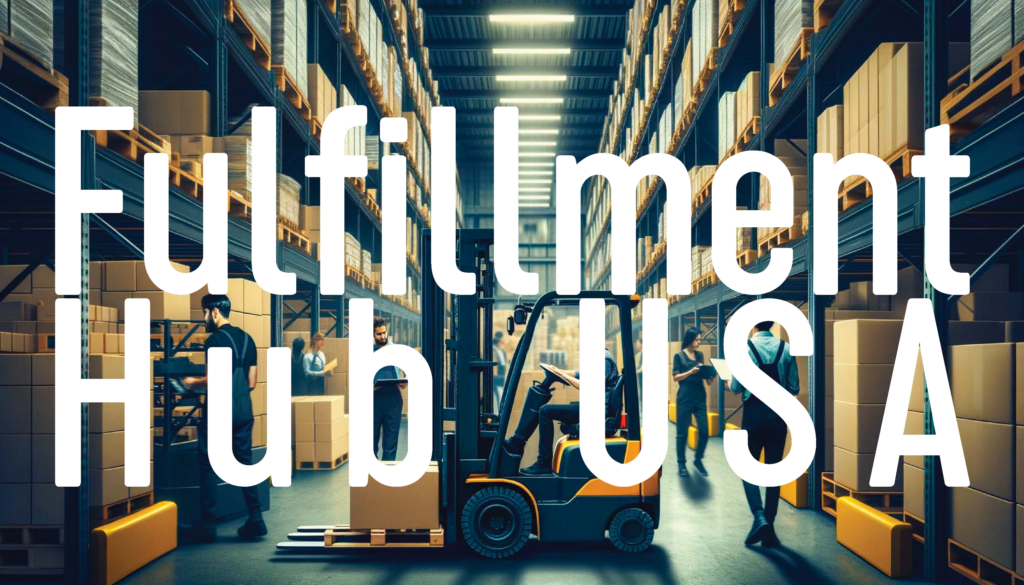
Automated systems in warehouses can streamline operations by sorting, packing, and shipping products more efficiently. Robots can work alongside human employees to minimize errors and waste.
In short: These technological innovations drive efficiency and sustainability in eco fulfillment.
Benefits of Automation and AI
Automation and artificial intelligence (AI) drastically improve fulfillment processes. Here are some specific benefits:
- Reduced Labor Costs: Automated systems decrease the need for manual labor, leading to cost savings.
- Increased Accuracy: AI-driven systems ensure precise inventory management, minimizing excess stock and waste.
- Energy Efficiency: Smart energy management systems in warehouses reduce overall energy consumption.
In short: Automation and AI enhance both productivity and environmental responsibility.
Latest Developments
Recent technology advancements have further strengthened eco fulfillment capabilities. Notably, in January 2025, a breakthrough in battery technology emerged, allowing electric delivery vehicles to operate more efficiently, thus reducing energy consumption during transport. Companies like Tesla and Rivian are leading initiatives to roll out these vehicles across supply chains, promoting sustainable delivery solutions.
In short: The latest technology advancements significantly enhance eco-friendly logistics.
FAQs
What is eco fulfillment?
Eco fulfillment refers to sustainable practices in the supply chain that minimize waste and environmental impact while ensuring efficient operations.
How does technology enhance eco fulfillment?
Technology improves logistics efficiency, allows for real-time tracking, reduces waste, and promotes energy efficiency throughout the supply chain.
What are the benefits of AI in eco fulfillment?
AI helps with inventory accuracy, reduces labor costs, and promotes energy efficiency in operations.
Are renewable energy sources used in fulfillment centers?
Yes, many fulfillment centers are adopting solar and wind power to reduce their carbon footprint significantly.
Conclusion
The role of technology in enhancing eco fulfillment efforts is transformative. From smart logistics to automation, businesses can greatly reduce their carbon footprints while improving efficiency. To remain competitive and meet consumer demands, it is essential for organizations to continuously adopt these advancements.
For more insights into fulfillment solutions, consider exploring services that align with eco-friendly practices.
- “Sustainable Supply Chains: How Technology is Driving Change”, Supply Chain Dive, 2025.
- “The Future of Logistics: Electric Vehicles and Renewables”, Logistics Management, March 2025.Link
- “Reducing Waste Through Smart Fulfillment”, Environmental Leader, April 2025.Link