
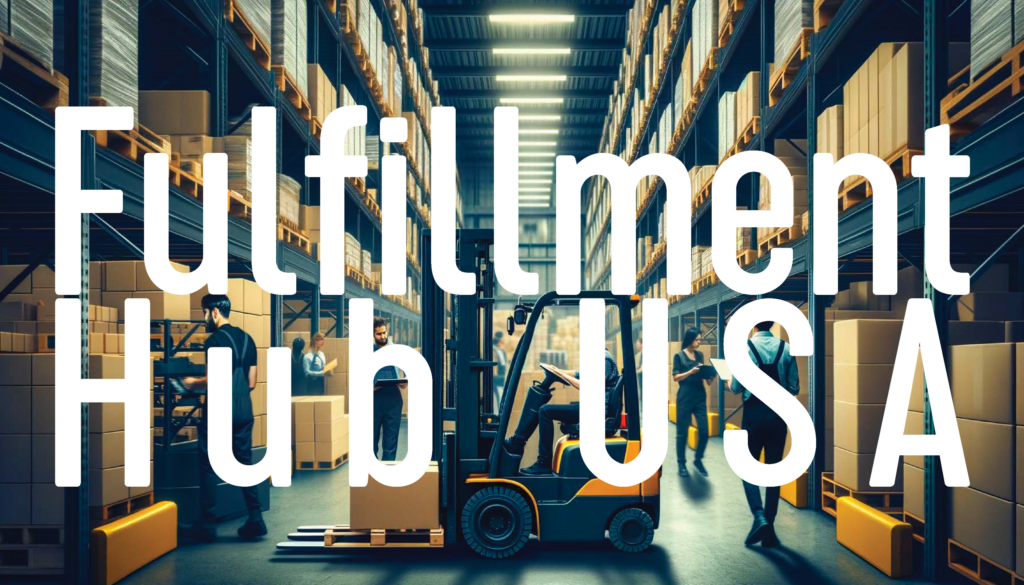
In today’s fast-paced economy, the effectiveness of fulfillment centers heavily relies on the integration of advanced technology. In Florida, this trend is accelerating, driven by the rise in e-commerce and consumer expectations for rapid delivery. Implementing the right technologies can streamline operations, reduce errors, and ensure timely dispatch of products. Recent developments, including AI and automation, are reshaping how fulfillment centers operate, creating opportunities and challenges for stakeholders.
Key Takeaways
- Technology enhances speed and accuracy in order fulfillment.
- AI and robotics reduce operational costs and errors.
- Real-time data improves inventory management.
- Automated systems improve workforce efficiency.
- Cloud computing supports scalable operations.
Table of Contents
- The Importance of Technology
- Key Technologies Used
- Benefits of Technology in Fulfillment Centers
- Challenges and Considerations
- Latest Developments
- FAQs
- Conclusion
- External Sources
The Importance of Technology
Technology is foundational in modern fulfillment centers, facilitating the smooth movement of goods from warehouses to consumers. By implementing advanced systems, centers effectively manage inventory, streamline logistics, and enhance customer satisfaction. The increasing consumer demand for same-day or next-day delivery necessitates continuous improvements in fulfillment processes.
In short: Technology is crucial for optimizing warehouse efficiency and meeting customer delivery expectations.
Key Technologies Used
-
Artificial Intelligence (AI)
AI systems analyze data patterns, enabling predictive analysis in inventory management. This anticipates demand fluctuations, allowing centers to adjust stock levels proactively. -
Automation and Robotics
Automated picking and packing systems reduce human error and speed up the process. Robots handle repetitive tasks, allowing employees to focus on more complex operations. -
Cloud Computing
Cloud platforms enable real-time updates and remote access to inventory data. This increases flexibility, as teams can make informed decisions based on up-to-the-minute information. -
Internet of Things (IoT)
IoT devices monitor the movement of goods and equipment. By providing real-time visibility, these devices track inventory levels and conditions, enhancing further supply chain efficiency.
In short: Florida fulfillment centers leverage various technologies like AI and automation to drive efficiency.
Benefits of Technology in Fulfillment Centers
Enhanced Efficiency
Automated systems streamline processes, significantly reducing the time from order to delivery. This boosts productivity and scales operations seamlessly.
Improved Accuracy
AI-powered solutions minimize human errors in order management. Accurate data entry prevents costly mistakes, enhancing overall service reliability.
Real-time Inventory Management
Real-time updates allow for immediate adjustments based on stock levels and demand. This responsiveness improves customer satisfaction through timely deliveries.
Cost Reduction
Although initial investments can be high, technology reduces labor costs and operational inefficiencies over time. Many centers find these investments lead to substantial savings.
In short: Technology leads to increased efficiency, accuracy, and cost savings in fulfillment centers.
Challenges and Considerations
While technology offers numerous advantages, there are also challenges. Implementing new systems requires a significant investment, not just in money but also in training employees. Additionally, reliance on technology can lead to vulnerabilities, such as cyber threats or system failures.
-
Training and Adaptation
Staff must be adequately trained to utilize new technologies efficiently. A lack of training can lead to underutilization or misuse of technology. -
Cybersecurity
With increased reliance on digital tools, fulfillment centers must implement robust cybersecurity measures to protect sensitive data. -
Cost of Implementation
The initial costs for integrating advanced technologies can be daunting. Centers need to evaluate the long-term ROI to determine feasibility.
In short: While beneficial, integrating technology into fulfillment operations comes with challenges that need careful management.
Latest Developments
Recent developments show a significant push toward automation and AI integration in Florida fulfillment centers. As of March 2025, several companies are adopting warehouse management systems (WMS) that use real-time data analytics to enhance productivity. These advancements aim to adapt to the growing e-commerce market and meet customer expectations effectively.
In short: Ongoing advancements are reshaping the operational landscape of Florida fulfillment centers.
FAQs
Q: What types of technology are commonly used in fulfillment centers?
A: Common technologies include AI, automation systems, IoT devices, and cloud computing platforms.
Q: How does technology improve delivery speed?
A: Technology streamlines processes and reduces errors, allowing for quicker order processing and dispatch.
Q: Are there any risks associated with technology in fulfillment centers?
A: Yes, risks include the need for cybersecurity measures and the potential for job displacement due to automation.
Q: How important is data in managing fulfillment centers?
A: Data is crucial for forecasting, inventory management, and improving overall efficiency in operations.
Conclusion
The role of technology in Florida fulfillment centers cannot be overstated. Innovations in AI, automation, and real-time data management are not just trends but essential elements driving efficiency and accuracy. As fulfillment needs continue to grow, centers that effectively integrate these technologies will likely thrive. Ensure to stay informed about the latest advancements in the industry as they can provide competitive advantages.