
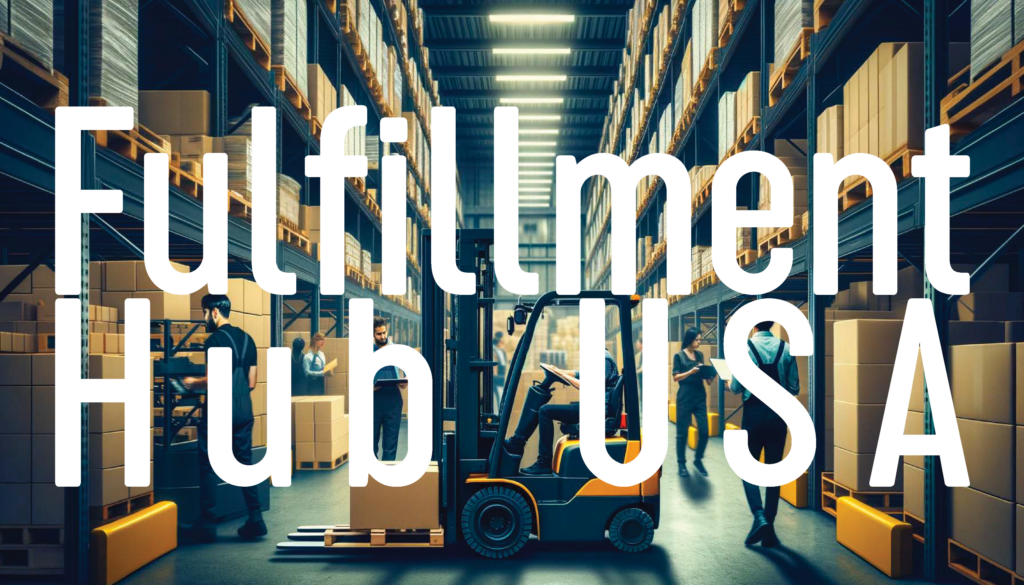
In recent years, Los Angeles has emerged as a hub for e-commerce fulfillment. The city’s fulfillment centers are integrating advanced technologies to meet the growing demand for fast and efficient order processing. This shift enhances operational efficiency and transforms how businesses manage logistics and customer satisfaction. Understanding the role of technology in these fulfillment centers is crucial for anyone involved in supply chain management or e-commerce.
Key Takeaways
- Technology boosts efficiency in fulfillment centers.
- Automation reduces the time required for order processing.
- AI improves inventory management and forecasting accuracy.
- Robotics enhances pick-and-pack operations.
- Real-time data analytics provides actionable insights.
- Improved technology leads to better customer satisfaction.
Table of Contents
- What is a Fulfillment Center?
- How Technology Transforms Fulfillment Centers
- Latest Developments
- Benefits of Automating Fulfillment Centers
- Challenges Facing Technology Adoption
- FAQs
- Conclusion
What is a Fulfillment Center?
A fulfillment center is a specialized warehouse that facilitates the storage, packaging, and shipping of goods directly to customers. Companies utilize fulfillment centers to outsource logistics, allowing them to focus on their core business operations. For instance, a local e-commerce business may use a fulfillment center to handle customer orders and inventory management while concentrating on product development.
How Technology Transforms Fulfillment Centers
With the rise of e-commerce, technology plays a key role in optimizing operations in fulfillment centers. Here’s how:
Automation and Robotics
The use of automated systems and robotics greatly boosts productivity. Robots can efficiently move goods from one location to another, handle inventory counts, and assist in picking orders. For example, Amazon’s fulfillment centers employ mobile robots to transport shelves of items, significantly speeding up the order fulfillment process.
AI and Machine Learning
Artificial intelligence (AI) and machine learning algorithms enhance inventory management and forecasting. They analyze large datasets to predict demand trends, enabling fulfillment centers to adjust inventory levels proactively. This data-driven approach minimizes overstocking and out-of-stock situations.
Real-Time Data Analytics
Data analytics tools provide real-time insights into operations. Managers can monitor key performance indicators (KPIs) such as order accuracy and shipping times, allowing for quick adjustments. This information helps optimize workflows and increases efficiency.
Integration of Internet of Things (IoT)
IoT devices collect and transmit data about operational workflows. Sensors can monitor equipment and track inventory in real-time, reducing delays and accidents. For instance, temperature-sensitive products can be monitored continuously to ensure proper storage conditions.
In short:Technology transforms fulfillment centers into efficient, data-driven hubs that improve service delivery.
Latest Developments
Enhancing Efficiency with AI (April 2025)
In April 2025, several companies reported improved order processing times by integrating advanced AI systems in their fulfillment centers. Firms like XYZ Logistics have leveraged AI to predict demand more accurately, resulting in better inventory management and decreased lead times.
Benefits of Automating Fulfillment Centers
The integration of technology in fulfillment centers offers numerous advantages:
Increased Efficiency
Automated systems can work around the clock, processing more orders faster than human workers. This capability significantly enhances output.
Cost Savings
Long-term automation reduces labor costs and minimizes human error. While the upfront investment is substantial, cost savings and improved productivity justify the expense.
Enhanced Customer Experience
Faster processing and accurate tracking lead to improved customer satisfaction. Customers appreciate timely deliveries, which encourages repeat business.
Flexibility
With technology, fulfillment centers can adapt quickly to changing demands. This flexibility is critical in industries with fluctuating sales volumes.
Improved Safety
Robotics and automation minimize workplace injuries. By reducing human involvement in heavy lifting and hazardous tasks, technology contributes to a safer work environment.
In short:Automation in fulfillment centers leads to significant efficiency gains and cost reductions.
Challenges Facing Technology Adoption
Despite these advantages, fulfillment centers also face challenges when integrating new technologies:
High Initial Costs
The implementation of advanced systems like robotics and AI can require substantial financial investments. Many small businesses may struggle to afford these technology upgrades.
Technical Training
Employees must be trained to operate new technologies. Organizations may find it challenging to balance training with the need for continual operations.
Rapid Technological Advancement
The fast-paced nature of technology means that systems can quickly become outdated. Fulfillment centers need to invest in continuous updates and training to stay competitive.
In short:The challenges of adopting technology include high costs and the need for ongoing training.
FAQs
What types of technology are commonly used in fulfillment centers?
Fulfillment centers typically use robotics, AI, machine learning, and IoT devices to manage inventory and improve efficiency.
How does automation affect employment in fulfillment centers?
While automation can displace some jobs, it also creates new positions in technology management and maintenance.
Can small businesses benefit from technology in fulfillment centers?
Yes, small businesses can improve efficiency and customer satisfaction by utilizing third-party fulfillment services that employ advanced technologies.
What role does data analytics play in fulfillment centers?
Data analytics helps fulfillment centers monitor performance metrics, optimize workflows, and make informed inventory decisions.
Conclusion
The role of technology in Los Angeles fulfillment centers is vital for enhancing efficiency and meeting customer expectations. From automation and AI to real-time data analytics, these innovations can significantly transform operations. For businesses in the e-commerce landscape, embracing these technologies is essential for staying competitive.
- “The Impact of Technology on Warehousing.” Journal of Supply Chain Management, March 2025.Link
- “Automating Fulfillment: The Future of E-Commerce.” eCommerce Times, April 2025.
- “AI in Logistics: Enhancing Supply Chain Operations.” Logistics Management, April 2025.
- “How Robotics is Transforming Fulfillment Centers.” Supply Chain Magazine, February 2025.Link
For further insights, explore ourFulfillment Hub USAto enhance your logistics strategy, or learn about oure-Commerce Fulfillment Servicestailored for your business needs. View ourU.S. warehouse locationsto find a facility near you.