
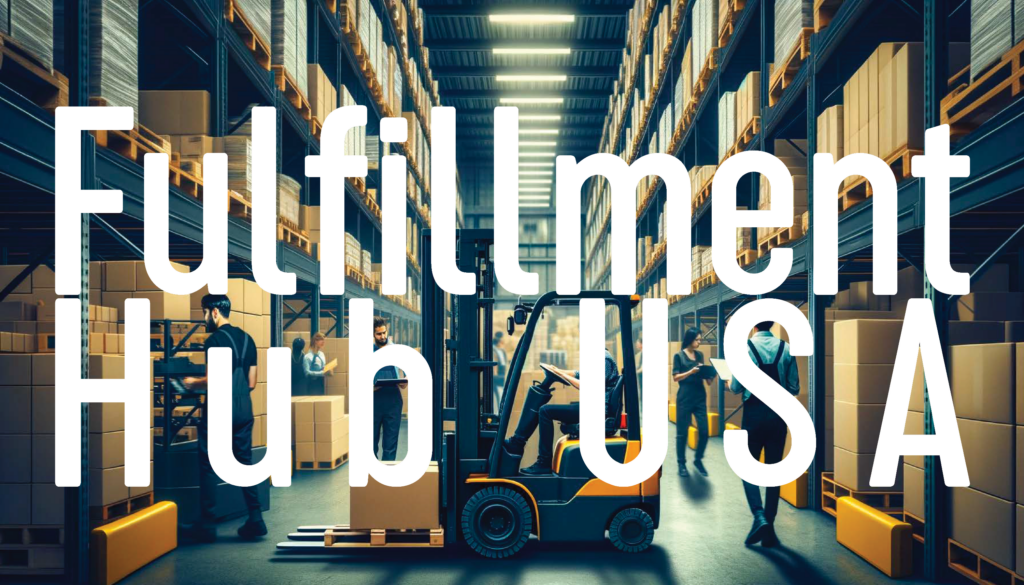
In today’s fast-paced e-commerce environment, technology plays a pivotal role in streamlining fulfillment solutions, particularly on the West Coast. Recent developments have reshaped how companies manage logistics and customer expectations. With increasing demands for speed and efficiency, fulfillment centers are now utilizing innovative technologies to optimize their processes. Understanding how these advancements can enhance fulfillment operations is crucial for businesses looking to improve their supply chain strategies.
Key Takeaways
- Advanced technology boosts efficiency in fulfillment operations.
- Automation reduces human error and speeds up processes.
- Real-time data enhances inventory management.
- E-commerce growth drives demand for innovative solutions.
- AI and robotics streamline warehouse management.
- Enhanced tracking systems improve customer satisfaction.
Table of Contents
- Understanding Fulfillment Technology
- Automation and Robotics in Fulfillment
- Data Analytics and Inventory Management
- The Rise of AI in Fulfillment Centers
- Modern Tracking Systems
- Latest Developments
- FAQs
- Conclusion
Understanding Fulfillment Technology
Fulfillment technology encompasses a variety of systems and tools designed to improve warehouse operations and logistics management. This includes inventory management systems, automated sorting machines, and customer relationship management (CRM) platforms.
Example:One common tool is Warehouse Management Systems (WMS), which help track inventory in real time, ensuring that orders are processed efficiently.
In short: Fulfillment technology integrates various tools to enhance logistics and inventory management.
Automation and Robotics in Fulfillment
Automation has revolutionized the fulfillment landscape. Robots and conveyors are increasingly used to pick, pack, and sort items within warehouses. This not only speeds up the processes but also minimizes errors associated with manual tasks.
Steps to Implement Automation:
- Assess current processes for inefficiencies.
- Identify tasks suitable for automation.
- Evaluate and invest in robotics technologies.
- Train staff to work alongside automated systems.
- Monitor performance and adjust as necessary.
In short: Automating repetitive tasks enhances speed and accuracy in fulfillment centers.
Data Analytics and Inventory Management
Data analytics is critical for effective inventory management. It helps businesses forecast demand, prevent stockouts, and manage inventory levels efficiently. Using analytics, companies can track sales trends and adjust inventory accordingly.
Pros and Cons of Data Analytics:
-
Pros:
- Improved inventory turnover rates.
- Reduced holding costs.
- Enhanced demand forecasting.
-
Cons:
- Requires investment in technology and training.
- Data privacy concerns.
- Over-reliance on data might overlook qualitative aspects.
In short: Data analytics promotes smarter inventory management by leveraging sales insights.
The Rise of AI in Fulfillment Centers
Artificial Intelligence (AI) is increasingly employed to further streamline fulfillment operations. AI technologies can predict order volumes, optimize delivery routes, and personalize customer service experiences.
Example of AI Use:Chatbots can handle customer inquiries in real time, providing immediate support and enhancing overall customer satisfaction.
In short: AI applications help fulfill orders efficiently while improving customer interactions.
Modern Tracking Systems
Effective tracking systems are essential for enhancing transparency and improving customer satisfaction. Modern technologies allow businesses to provide real-time updates on order statuses, helping to build trust and loyalty with customers.
Key Features of Tracking Systems:
- Real-time location tracking of shipments.
- Notifications for order status changes.
- Data integration capabilities with existing systems.
- User-friendly mobile applications for customers.
In short: Modern tracking systems ensure transparency and increase customer satisfaction.
Latest Developments
As of October 2025, companies on the West Coast face ongoing pressure to adapt to advancements in technology. Many fulfillment centers are integrating environmentally friendly technologies, such as electric delivery vehicles and solar-powered warehouses. This not only addresses operational efficiency but also caters to the growing demand for sustainability in logistics.
In short: Recent changes focus on both efficiency and sustainability in fulfillment technologies.
FAQs
Q1: What technologies are commonly used in fulfillment centers?
Common technologies include Warehouse Management Systems (WMS), robotics, data analytics platforms, and AI for customer service.
Q2: How does automation improve fulfillment operations?
Automation increases speed, reduces human errors, and optimizes inventory management by streamlining repetitive tasks.
Q3: Why is data analytics important for fulfillment?
Data analytics helps businesses understand sales trends and manage inventory levels more effectively, preventing stockouts and excess inventory.
Q4: What role does AI play in customer service within fulfillment?
AI enhances customer service through chatbots and predictive analytics, allowing for timely responses and personalized experiences.
Conclusion
Technology significantly transforms West Coast fulfillment solutions by enhancing efficiency, accuracy, and customer satisfaction. As businesses implement these innovations, they can better meet the demands of the e-commerce landscape. To stay competitive, companies should embrace these technologies and continually assess their fulfillment strategies.
- “The Impact of Automation on E-commerce Fulfillment” –
- “How AI is Revolutionizing Supply Chain Management” –
- “Adapting to Changes in Fulfillment Technology” –
- “Future Trends in Logistics and Fulfillment” –
For more information, visitFulfillment Hub USA, explore oure-Commerce Fulfillment Services, and check out ourU.S. warehouse locations