
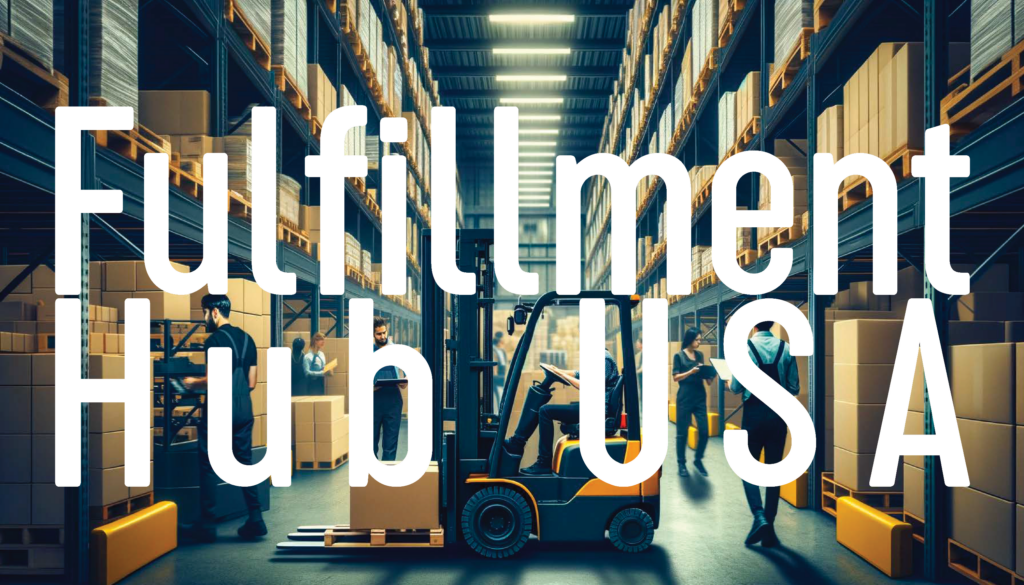
In today’s fast-paced market, wholesale fulfillment services face intense pressure to innovate and stay ahead of competitors. The integration of technology plays a crucial role in streamlining operations, enhancing efficiency, and improving customer satisfaction. As the industry evolves, recent advancements show that technology is not just a luxury but a necessity for staying relevant and meeting consumer demands.
Key Takeaways
- Technology enhances order accuracy and speed in fulfillment processes.
- Automation reduces labor costs and increases productivity.
- Data analytics help optimize inventory management and forecasting.
- Real-time tracking improves customer satisfaction and transparency.
- Cloud-based systems offer scalability and flexibility for businesses.
Table of Contents
- Understanding Wholesale Fulfillment Services
- Impact of Technology on Fulfillment Operations
- Latest Developments in Fulfillment Technology
- FAQs
- Conclusion
Understanding Wholesale Fulfillment Services
Wholesale fulfillment services involve the processes required to store, manage, and ship products from suppliers to retailers or directly to consumers. Companies offering these services need to operate efficiently to meet the growing demands of their clients. As e-commerce continues to rise, the complexity of these operations increases, making technology integral to success.
Definition
Wholesale fulfillment services are logistical operations that include warehousing, inventory management, picking, packing, and shipping products on behalf of businesses. For example, a company may handle the fulfillment of clothing items, ensuring that they reach various retail outlets or directly to the consumers without delay.
In short: Wholesale fulfillment automates the supply chain from storage through to delivery.
Impact of Technology on Fulfillment Operations
Automation and Robotics
The introduction of automation and robotics has transformed how wholesale fulfillment centers operate. Automated systems can handle repetitive tasks such as sorting and packing, minimizing human error and speeding up the process. For instance, autonomous robots can transport goods within warehouses, significantly reducing the time needed for order fulfillment.
In short:Automation increases efficiency and accuracy in fulfillment services.
Data Analytics and Inventory Management
Data analytics tools allow businesses to analyze purchasing patterns and inventory levels in real time, leading to better decision-making. By leveraging this data, companies can predict trends, improve inventory turnover, and reduce the risk of stockouts or overstock situations. This data-driven approach enhances operational efficiency and profitability.
In short:Data analytics optimize inventory management and reduce costs.
Cloud-Based Supply Chain Solutions
Cloud technology offers scalable solutions for wholesale fulfillment. Businesses can access inventory and order data from anywhere, enabling flexibility and remote management of operations. Cloud-based systems simplify collaboration among stakeholders, ensuring everyone is informed and aligned throughout the supply chain.
In short:Cloud solutions provide flexibility and real-time access to vital information.
Latest Developments in Fulfillment Technology
Recent advancements include the rise of artificial intelligence (AI) in warehouse management systems. As of 2025, companies are increasingly utilizing AI algorithms for predictive analytics and demand forecasting. These technologies help anticipate consumer needs, enabling companies to adjust their inventory strategies proactively. Additionally, advancements in blockchain technology enhance transparency and security in supply chain transactions.
Latest developments:In early 2025, major retailers announced partnerships with AI firms to enhance inventory forecasting, improving efficiency and reducing waste.
FAQs
Q: How can small businesses benefit from technology in fulfillment?
A: Small businesses can implement affordable software solutions to automate their order processing and inventory management, improving efficiency without a large investment.
Q: What role does customer engagement technology play?
A: Technology such as CRM systems allows businesses to engage customers more effectively, providing real-time updates on order status, which enhances overall customer satisfaction.
Q: Are there risks associated with adopting new technology?
A: Yes, potential risks include cybersecurity concerns and the need for employee training, which businesses must address to implement technology effectively.
Q: How does technology affect shipping costs?
A: By optimizing routes and automating order management, technology can reduce shipping costs significantly. This efficiency often leads to better pricing for customers.
Q: What is the impact of mobile technology on wholesale fulfillment?
A: Mobile technology enables real-time tracking and management of inventory, enhancing the efficiency of logistics operations and improving customer communication.
Conclusion
Technology is no longer an optional element of wholesale fulfillment services; it is essential for success. Companies that embrace new technologies can streamline processes, reduce costs, and enhance customer satisfaction. To remain competitive in this dynamic market, investing in the right technological solutions is crucial.
- “How AI Is Changing the Wholesale Industry” –
- “The Future of Data Analytics in Supply Chains” –
- “Cloud Solutions Transforming Warehousing” –
Fulfillment Hub USA|e-Commerce Fulfillment Services|U.S. warehouse locations