
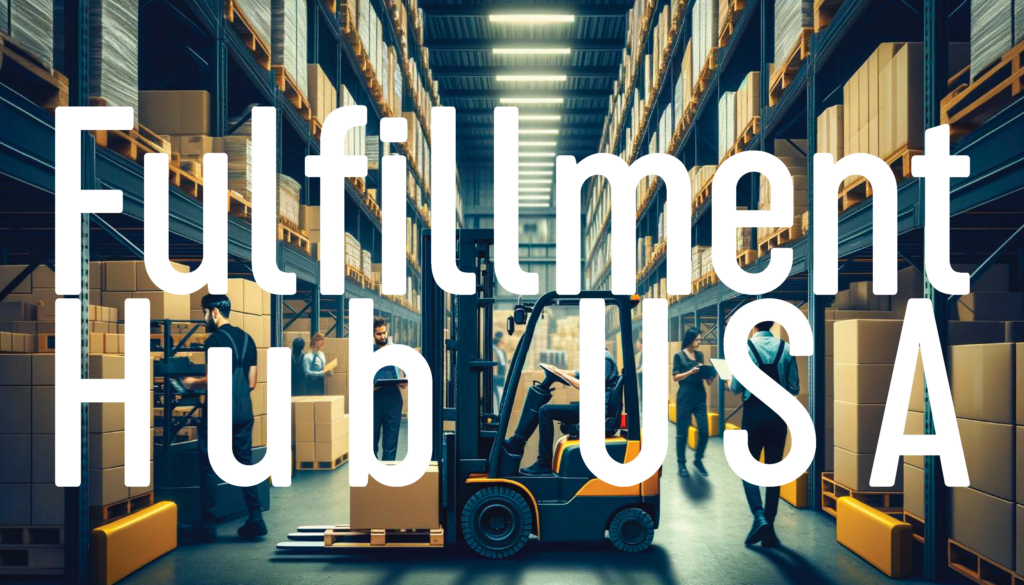
In today’s fast-paced business environment, technology plays a crucial role in enhancing wholesale fulfilment solutions. As the demand for streamlined operations grows, businesses are leveraging innovative technologies to optimize their supply chains. This shift not only improves efficiency but also enhances customer satisfaction. By understanding the impact of technology on wholesale fulfilment, businesses can stay competitive and meet the ever-changing market needs.
Key Takeaways
- Technology optimizes order processing, reducing lead times.
- Enhanced inventory management leads to better stock availability.
- Automated systems minimize human error and improve accuracy.
- Real-time data analytics aids in informed decision-making.
- Integration of AI enhances customer experience and service efficiency.
Table of Contents
- Understanding Wholesale Fulfilment Technology
- Latest Developments
- Key Technologies in Wholesale Fulfilment
- Benefits of Technology in Fulfilment
- Challenges to Consider
- FAQ
- Conclusion
Understanding Wholesale Fulfilment Technology
Wholesale fulfilment refers to the process of storing, packaging, and delivering products to businesses or retailers. Technology enhances these processes through automation and data management. For instance, advanced software solutions allow real-time tracking of inventory levels and streamline order management.
An example of this is the use of Warehouse Management Systems (WMS) which help in efficiently managing storage space, tracking stock levels, and improving the picking process.
In short: Wholesale fulfilment technology focuses on automating and optimizing supply chain operations.
Latest Developments
In recent months, various advancements continue to shape the wholesale fulfilment landscape. In January 2025, a report emphasized the rising use of blockchain technology to ensure transparency and security in supply chains. This system allows all parties to access the same information, reducing discrepancies. Additionally, companies are increasingly adopting AI for predictive analytics to better forecast demand, improving inventory management.
Key Technologies in Wholesale Fulfilment
-
Warehouse Management Systems (WMS): Crucial for inventory control and order processing. These systems automate labor-intensive tasks and provide insights through data analytics.
-
Artificial Intelligence (AI): AI enhances inventory forecasting and customer service. Chatbots, powered by AI, provide instant support to customers.
-
Robotics: Automated picking systems and delivery robots are transforming how goods are handled in warehouses, increasing efficiency.
-
Blockchain: Enhances traceability and reduces fraud by creating a secure, transparent system of transaction records.
Comparison Table of Key Technologies
| Technology | Use Case | Benefits |
|---|---|---|
| WMS | Inventory tracking | Reduces errors, saves time |
| AI | Customer support and forecasting | Improves service, enhances accuracy |
| Robotics | Goods handling | Increases efficiency, minimizes costs |
| Blockchain | Transaction security | Enhances transparency and trust |
In short: Various technologies contribute to the efficiency of wholesale fulfilment.
Benefits of Technology in Fulfilment
-
Enhanced Efficiency: Automation decreases the time taken to process orders. This leads to faster delivery times and improved customer experiences.
-
Improved Accuracy: Technologies help minimize human error. Automated systems ensure precise product counts and order fulfillment.
-
Better Inventory Management: Real-time data allows businesses to track stock levels accurately. This prevents stockouts and excess inventory, optimizing warehouse space.
In short: Technology offers significant advantages, including better speed, accuracy, and management.
Challenges to Consider
Despite the advantages, implementing technology in wholesale fulfilment comes with challenges:
-
Cost of Implementation: Initial setup costs for new technologies can be high.
-
Training and Maintenance: Employees need training to adapt to new systems, which requires time and resources.
-
Integration Issues: New systems must integrate with existing infrastructure, which can be complex and require additional investment.
In short: While technology presents opportunities, businesses must prepare for implementation challenges.
FAQ
Q1: What is the role of AI in wholesale fulfilment?
AI aids in forecasting demand, managing inventory, and enhancing customer service through chatbots and personalized recommendations, making processes smoother and more efficient.
Q2: How do Warehouse Management Systems (WMS) improve fulfilment?
WMS streamline operations by automating inventory tracking and order management. This leads to faster processing and fewer errors.
Q3: Are there risks associated with using technology in fulfilment?
Yes, risks include high initial costs, the need for staff training, and potential integration challenges with existing systems.
Q4: What future trends should businesses watch for in fulfilment technology?
Businesses should watch for advancements in AI, robotic automation, and blockchain technology, which are set to revolutionize supply chain operations.
Conclusion
In conclusion, technology significantly enhances wholesale fulfilment solutions by improving efficiency, accuracy, and inventory management. While implementing these technologies poses challenges, the benefits far outweigh them. Businesses should embrace these changes to stay competitive in a rapidly evolving market. Start exploring advanced fulfilment solutions today to boost your operational efficiency.
- “Harnessing Blockchain for the Supply Chain” – The World Economic Forum, February 2025.World Economic Forum
- “AI and the Future of Demand Forecasting” – McKinsey & Company, January 2025.McKinsey
- “Robotics in Warehousing: Trends and Predictions” – Logistics Management, March 2025.
For more information on fulfilment services, visit: