
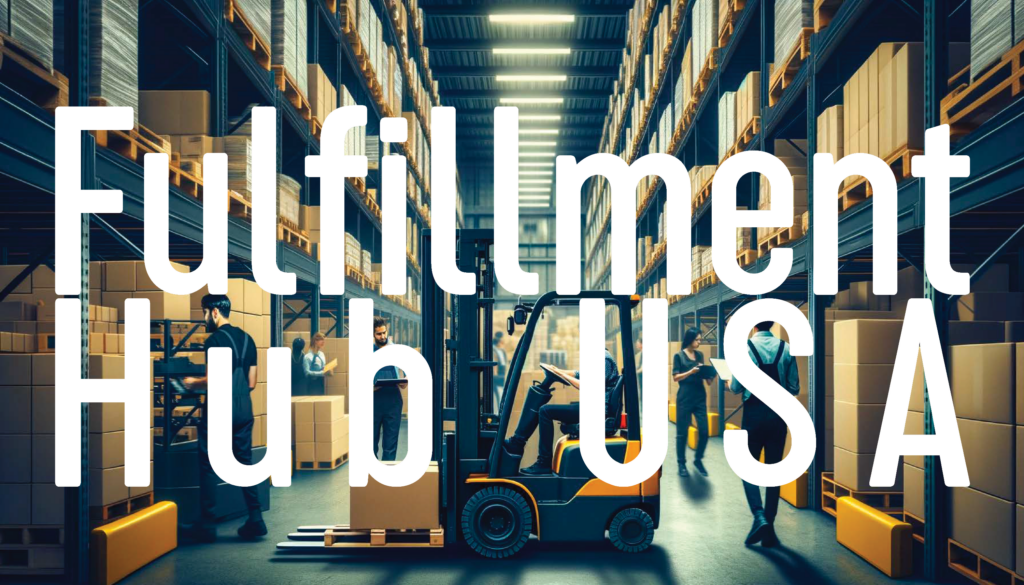
In the rapidly evolving electronics industry, the effectiveness of fulfillment strategies hinges significantly on warehousing operations. As technology advances, consumer expectations shift, and competition intensifies, having a strong warehousing strategy is more crucial than ever. This article explores the essential role of warehousing in electronics fulfillment strategies, especially in light of recent developments affecting supply chains and logistics.
Key Takeaways
- Efficient warehousing improves order accuracy and delivery speed.
- Technology integration enhances inventory tracking in warehouses.
- Strategic location of warehouses can reduce shipping costs.
- Sustainable warehousing practices are increasingly prioritized.
- Adaptability is essential for meeting changing consumer demands.
Table of Contents
- Understanding Warehousing in Electronics
- Importance of Location
- Technology in Warehousing
- Sustainable Practices
- Challenges in Electronics Fulfillment
- Latest Developments
- FAQs
- Conclusion
Understanding Warehousing in Electronics
Warehousing refers to the storage of goods before they are distributed to retailers or directly to consumers. In electronics, this involves handling a variety of products, from smartphones to household appliances.
Example:
A company that sells smartphones uses a central warehouse to store its devices. This warehouse not only holds the inventory but also serves as a distribution center for fulfilling customer orders efficiently.
In short: Warehousing is central to managing inventory and fulfilling orders effectively.
Importance of Location
The physical location of a warehouse greatly influences fulfillment strategies. Warehouses closer to major markets can reduce transportation costs and lead times. Electronics companies often choose locations in urban areas or near transportation hubs for faster distribution.
Advantages:
- Reduced shipping distances.
- Lower transportation costs.
- Improved customer satisfaction due to quicker delivery times.
In short: Strategic warehouse locations enhance efficiency and reduce costs.
Technology in Warehousing
Modern warehousing in electronics relies heavily on technology. Automated systems streamline processes, improve accuracy, and facilitate real-time inventory tracking. Technologies such as RFID (Radio Frequency Identification) and IoT (Internet of Things) are transforming warehousing by providing better visibility into stock levels and movements.
Example:
A warehouse using RFID technology can quickly identify the location of a specific electronic device, speeding up fulfillment. This technology minimizes human errors and increases operational efficiency.
In short: Technology enhances accuracy and efficiency in warehousing operations.
Sustainable Practices
Sustainability is becoming a fundamental aspect of warehousing strategies. Many electronics companies are adopting eco-friendly practices, like energy-efficient buildings and reduced packaging waste. This not only meets consumer demand for sustainability but also often results in cost savings.
Benefits:
- Lower energy costs from sustainable design.
- Enhanced brand image as consumers prefer eco-friendly companies.
- Compliance with increasing environmental regulations.
In short: Sustainable warehousing practices are essential for modern businesses.
Challenges in Electronics Fulfillment
The electronics sector faces unique challenges in fulfillment, including managing returns and dealing with inventory obsolescence given the rapid pace of technological change. These challenges require adaptive warehousing solutions to manage fluctuating stock and ensure quick processing times.
Challenges Include:
- High return rates due to product compatibility issues.
- Rapidly changing inventory as new models are released frequently.
- Balancing stock levels with market demand.
In short: Electronics fulfillment demands flexible and responsive warehousing solutions.
Latest Developments
Recent Trends
As of early 2025, major retailers are increasingly investing in automated warehousing systems. For instance, companies like Amazon are expanding their use of robotics to pick and pack electronics more efficiently. This trend highlights a growing reliance on automation to keep pace with consumer demands for faster fulfillment.
In short: Robotics and automation are pivotal in shaping the future of electronics warehousing.
FAQs
What is the primary function of warehousing in electronics fulfillment?
The primary function is to store inventory and facilitate the efficient distribution of products to customers or retailers.
How do warehousing practices impact customer satisfaction?
Efficient warehousing that ensures quick order fulfillment leads to higher customer satisfaction due to timely deliveries.
How can technology improve warehouse operations?
Technology improves operations by enabling real-time inventory tracking, reducing errors, and automating repetitive tasks.
What are the sustainability practices commonly adopted in warehousing?
Common practices include using energy-efficient equipment, recycling materials, and optimizing logistics to reduce carbon footprints.
Conclusion
The role of warehousing in electronics fulfillment strategies is fundamental, enabling companies to streamline operations and meet consumer expectations. By investing in technology, strategic locations, and sustainable practices, businesses can enhance their efficiency and customer satisfaction. To adapt in this fast-paced industry, focusing on effective warehousing solutions is crucial.
- “Warehousing & Fulfillment: A Guide for Electronics Retailers.” Modern Retail.URL
- “The Future of Warehousing: Trends and Innovations.” Logistics Management.
- “Sustainable Practices in Warehousing Operations.” Supply Chain Dive.
- “The Impact of Automation on Warehouse Efficiency.” TechCrunch.
- “How Location Affects Fulfillment Strategies.” Business News Daily.
Fulfillment Hub USA
e-Commerce Fulfillment Services
U.S. warehouse locations